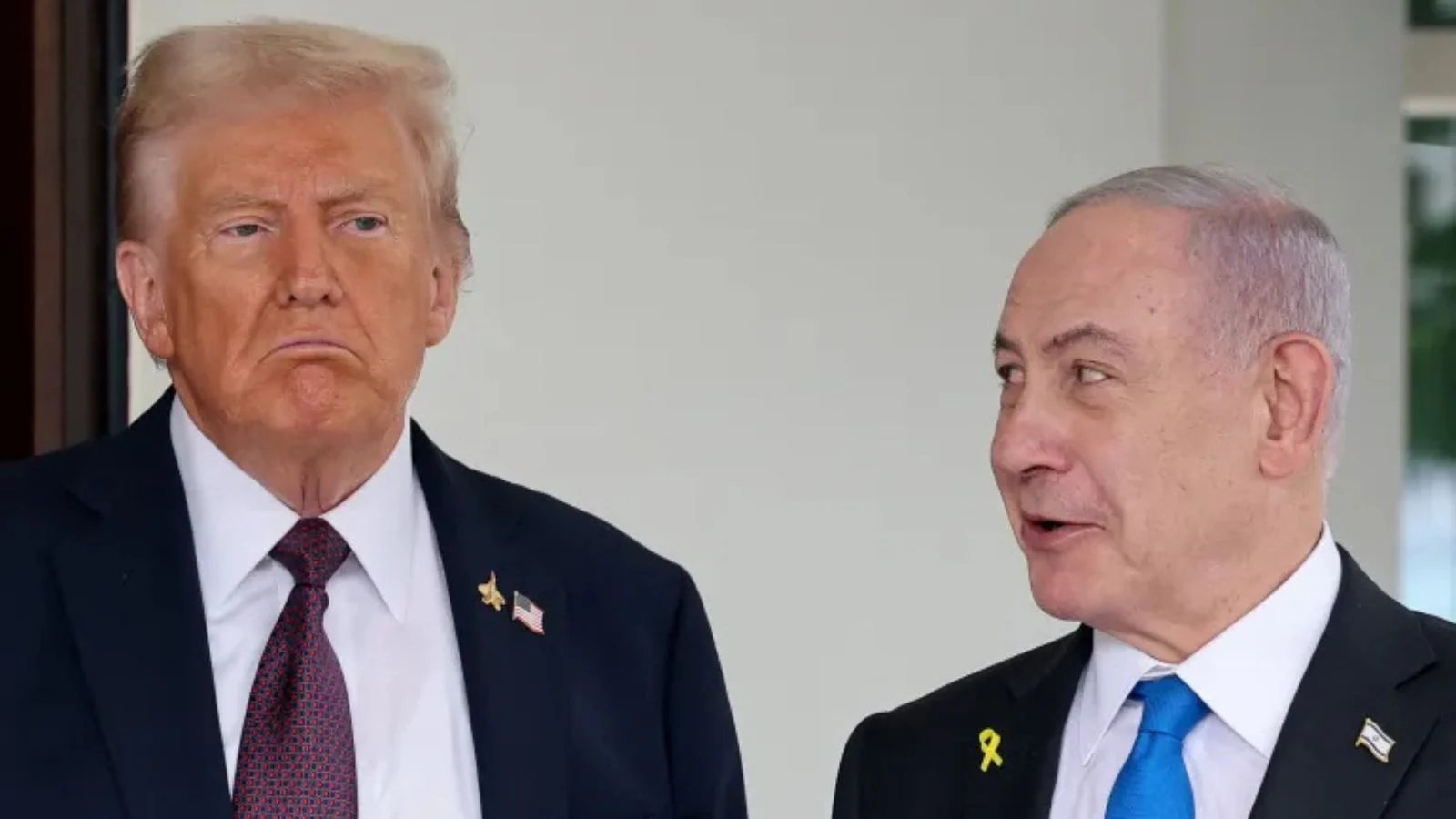
During a phone call last week, Netanyahu presented a new intelligence briefing that, according to Israeli analysts, shows Tehran has resumed work on a uranium enrichment facility dubbed "Pickaxe Mountain." He urged Trump to resume missile strikes, arguing that Iran's "troubling steps" threaten regional security.
Defense Secretary Pete Hegseth and U.S. Central Command commander General Mark Milley reportedly backed the idea, but most of Trump's advisers pushed for tightening sanctions instead of military escalation.
The timing could shift Israel's political landscape, as Chief of Staff Lt. Gen. Eyal Zamir warned that a new offensive before Oct 27 could force the Knesset to postpone elections amid Iran's likely retaliation.
In the U.S., the threat has also raised concerns that a pre‑midterm strike could fuel inflation, push gas prices higher, and weaken the Republican Party's standing in the November 3 vote.
Both Israeli and U.S. forces have increased readiness; a Pentagon spokesperson said Israel was "on standby," while an Israeli military official added that troops were preparing for potential escalation.
The White House has denied any agreement, insisting Trump will not strike Iran before the midterms, and Netanyahu's office declined to confirm the content of their talks.