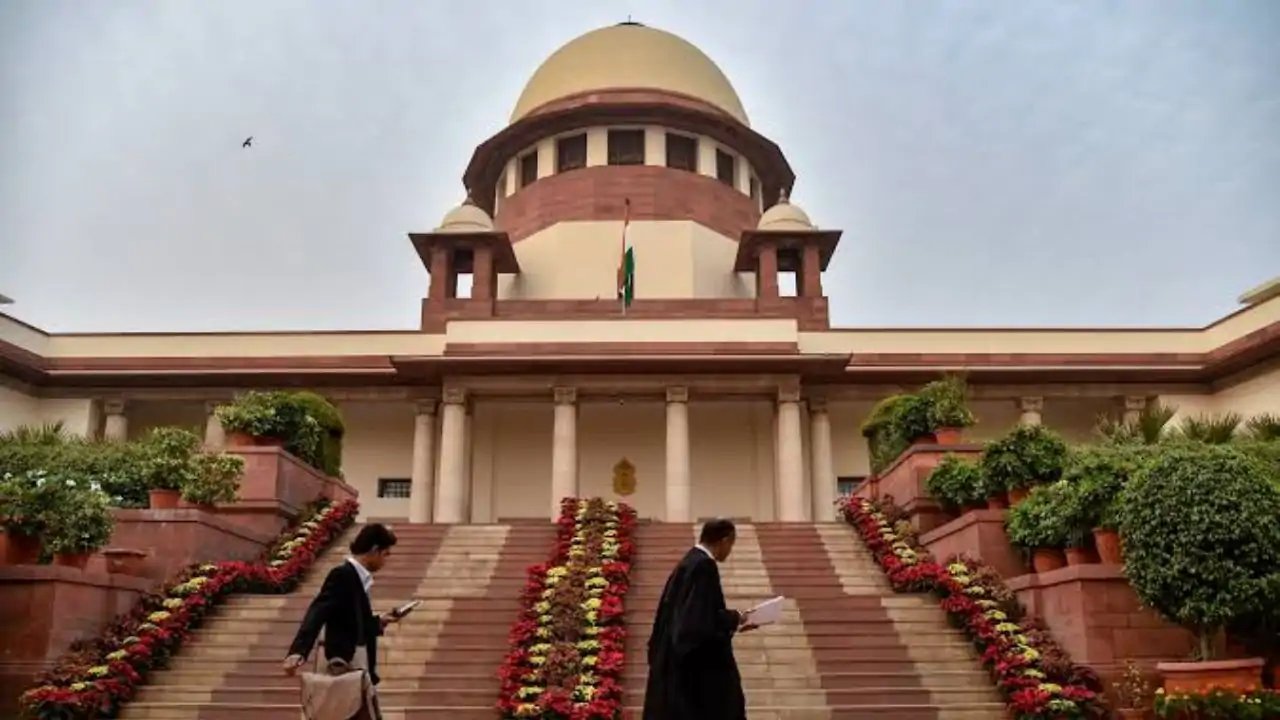
The Supreme Court has issued notice to the Union government and the Election Commission of India (ECI) on a petition filed by the Association for Democratic Reforms (ADR). The plea directly attacks Section 16 of the Chief Election Commissioner and Other Election Commissioners (Appointment, Conditions of Service and Term of Office) Act, 2023. This provision currently bars courts from entertaining any civil or criminal case against a serving or former election official for acts done in their official capacity. The case is tagged with other pending petitions and will be heard on October 29.
The legal challenge argues that this blanket shield violates constitutional principles of accountability. Critics contend that the immunity allows officials to act without fear of legal consequence, even if their decisions are alleged to be wrongful. This isn't the first time the judiciary has examined these protections. In January, the bench issued notice on a similar petition by NGO Lok Prahari but declined to stay the provision at that stage. The court signaled it would need to examine whether such immunity fits within the broader constitutional framework.
The scrutiny comes amid rising tensions over the independence of the poll body. Earlier this month, the Supreme Court sought responses on a separate plea alleging that Chief Election Commissioner Gyanesh Kumar made decisions without the required participation of other commissioners. That petition questions the collective decision-making process within the three-member body. If the court rules against the immunity clause, it would open the door for civil and criminal proceedings against election officials for acts performed in their official duties.
The October 29 hearing will be decisive. A ruling against the immunity provision would fundamentally alter the legal landscape for India's top election officials. It would mean they can no longer hide behind official capacity when facing allegations of misconduct or wrongdoing. The decision will likely set a precedent for accountability in other independent statutory bodies as well.