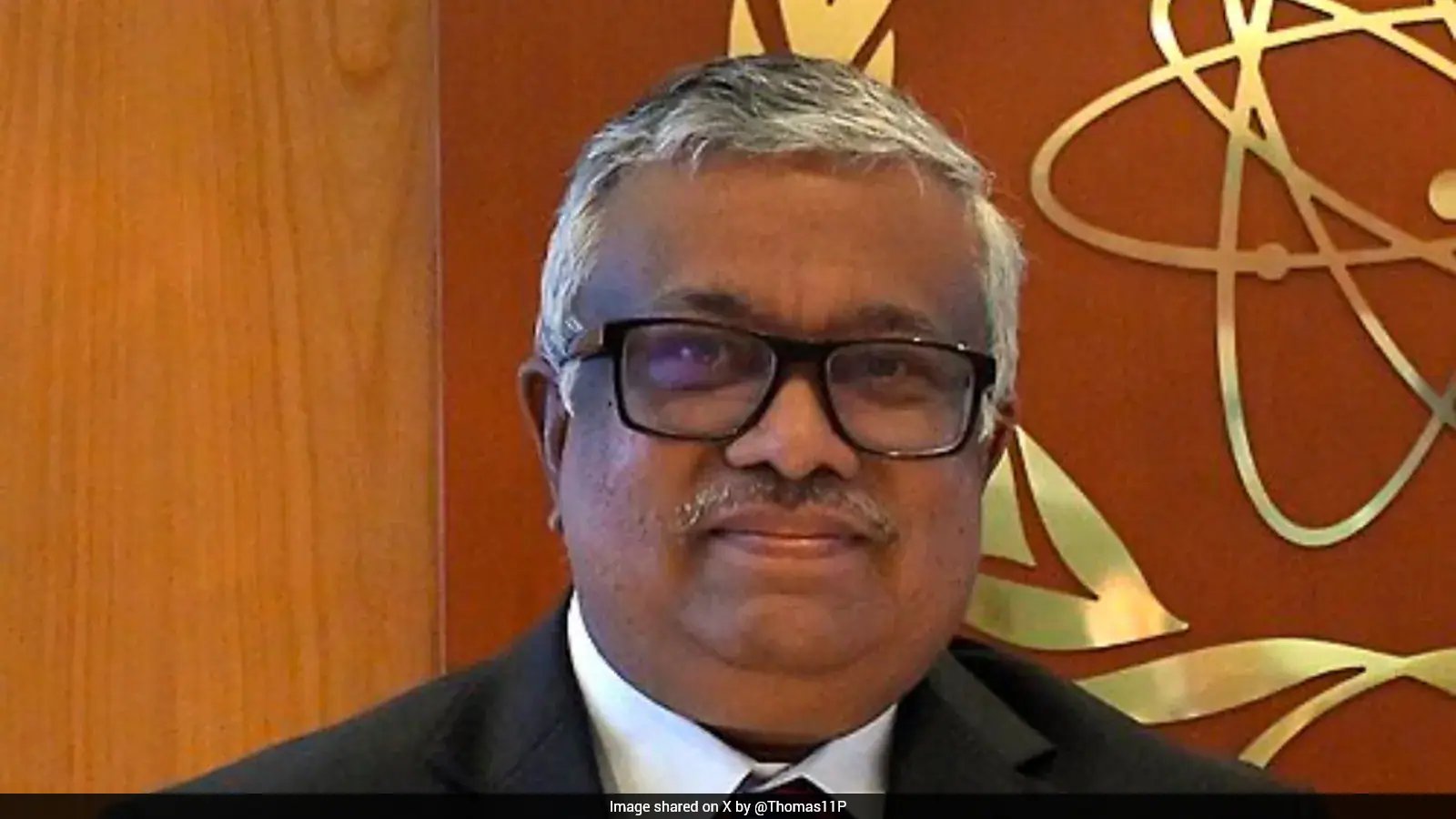
Asad Alam Siam, the country’s current Foreign Secretary, is slated to step into the high‑profile role of High Commissioner to India on November 16, 2026— the biggest diplomatic posting Bangladesh has in the region. The move comes after the Ministry of Foreign Affairs signed an agrement with New Delhi in September, clearing the way for Siam to replace Riaz Hamidullah, who has taken up the post of Permanent Representative to the UN in Geneva.
The agrement process, governed by Article 4 of the Vienna Convention, required Indian consent before Siam could be formally appointed. NDTV confirmed that the official approval was handed to Bangladesh in September, signalling India’s readiness to welcome the new envoy. Hamidullah’s transition to Geneva leaves the Bangladesh mission in New Delhi without a deputy, placing the full weight of bilateral negotiations on Siam’s shoulders.
Siam’s agenda is packed. He will spearhead discussions surrounding Prime Minister Tarique Rahman’s upcoming state visit to India and steer the delicate renewal talks for the 30‑year Ganga water‑sharing treaty, which expires in December 2026. The treaty, signed on December 12, 1996, currently dictates water allocation during dry seasons—a point of contention as Bangladesh plans to build the Padma Barrage downstream.
Trade glimmers amid diplomatic chatter. India has just supplied the first set of modern coaches to Bangladesh Railway, and Larsen & Toubro secured a Rs 5,000 crore contract to design key metro system packages in Dhaka. In a small village on the Padma, a family that relies on seasonal river water watches the negotiations closely, hoping the new barrage will bring stability without flooding their fields.
Siam is scheduled to meet with Indian officials in early December to discuss the treaty and trade agreements. The next major diplomatic event is a joint press conference on December 5, where both sides will outline the terms of the renewed water‑sharing framework.