Students and teachers at Government High School Babbar Shor have been rattled by the sudden disappearance of their Arabic teacher, Parvez Mazar, last Tuesday—his body found the next day in a private torture facility.
The grief has spilled onto the streets, with Mazar’s children and other residents converging outside the Pasni Press Club, demanding immediate arrests and a thorough inquiry. The protesters, armed with placards and a palpable sense of urgency, have declared that failure to act will trigger a sit‑in at Pasni Zero Point, blocking the Makran Coastal Highway.
The Makran route, a lifeline that ferries goods from the port city of Gwadar to Karachi, could grind to a halt, destabilising a corridor already under pressure from the ongoing Baloch insurgency. Local traders have already warned that even a short block could cost the province millions in lost revenue.
In Balochistan, the term “death squad” refers to armed groups that allegedly receive covert state support, routinely targeting civilians and activists. Human‑rights activists describe a pattern of abductions and extrajudicial killings that have plagued the region since the early 2000s.
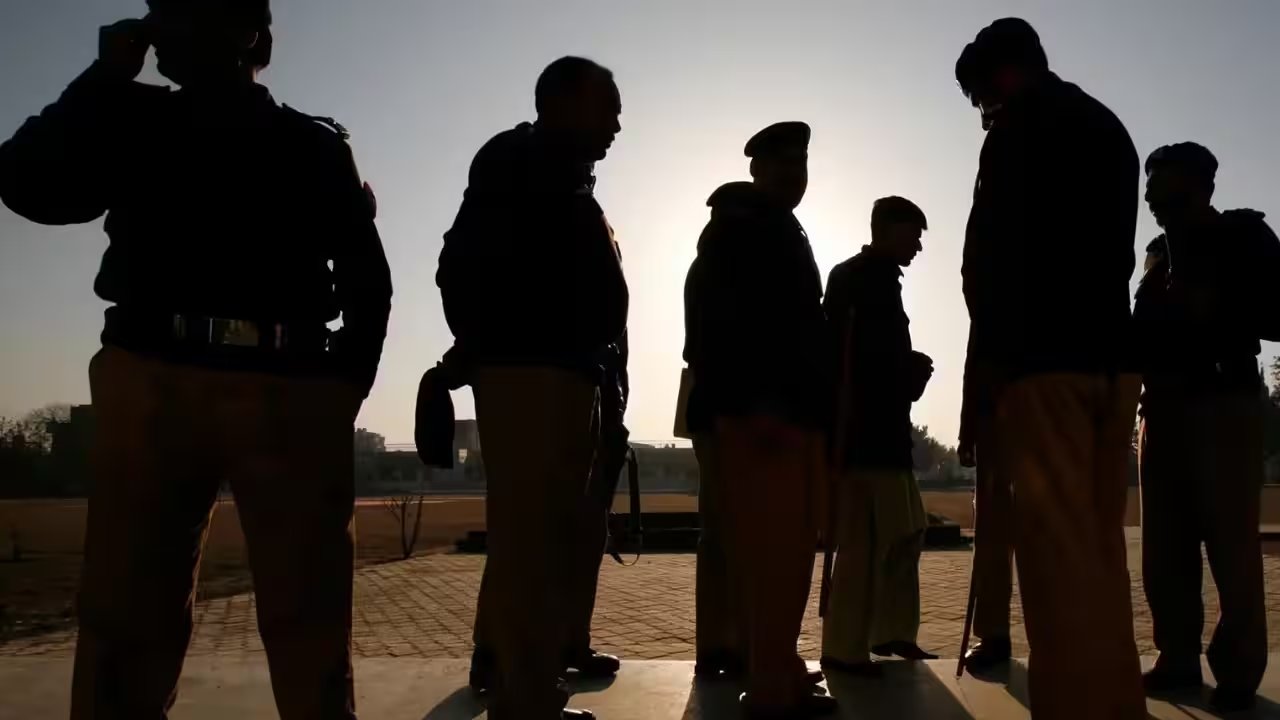
Police authorities have opened a preliminary investigation, but families insist on swift arrests. The next day, a police spokesperson is expected to announce the names of the suspects and a timetable for the probe, putting the spotlight on the state’s willingness to confront the alleged death squads.