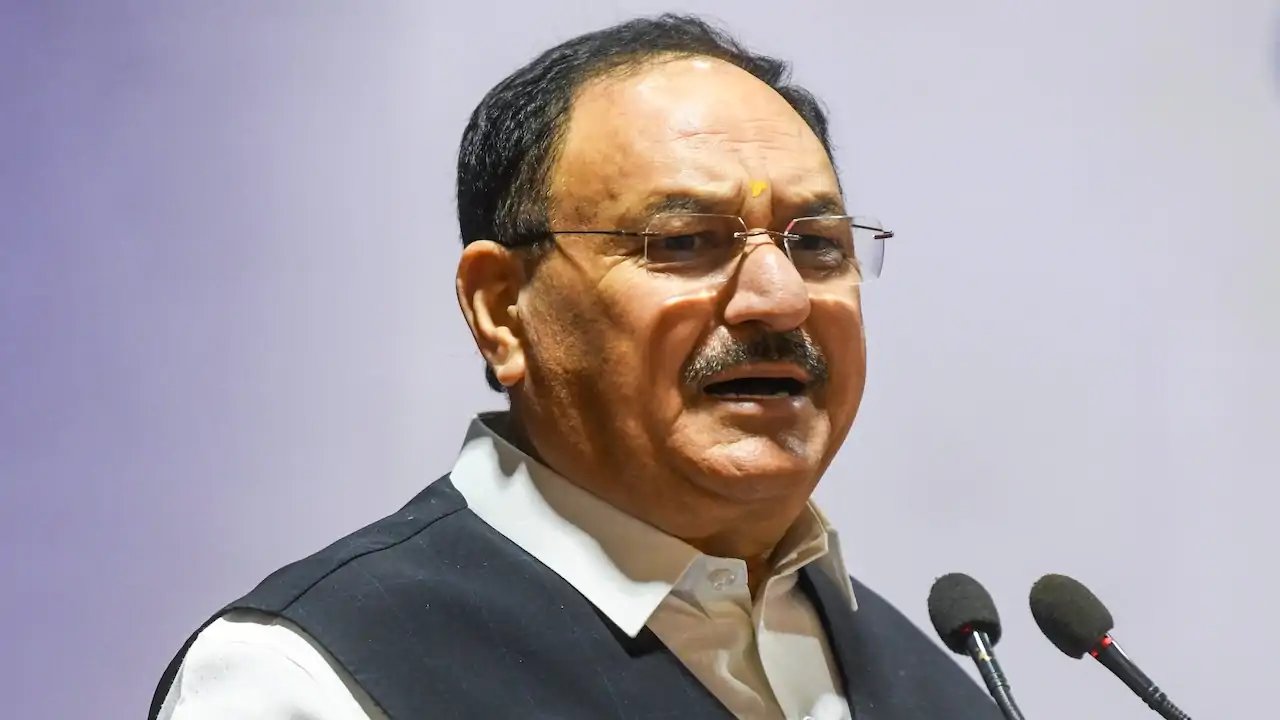
Union Minister J.P. Nadda stood on the floor of the Lok Sabha and delivered a warning that cut through the usual parliamentary decorum. He addressed Leader of Opposition Rahul Gandhi directly, telling him to "listen carefully." The message was blunt: India is not a "banana republic" where political leaders can incite arson, trigger riots, or push an agenda for "regime change" whenever they please. Nadda urged Gandhi to stop dreaming of toppling the current government through street-level instability.
The remarks were not just a general rebuke; they were anchored in a specific historical trauma. Nadda invoked November 1, 1984, the day he described as the "darkest stain" in India’s democratic history. He accused Congress-nurtured goons of massacring innocent Sikh brethren, rendering thousands of families homeless and leaving thousands of women widowed overnight. The "Widow Colony" in Delhi, he noted, still stands as a physical testament to that chapter of Congress history.
Nadda zeroed in on the perceived hypocrisy of the current opposition leadership. He pointed out that the Gandhi family has never offered a sincere apology to the Sikh community for the 1984 massacre. In his view, this lack of contrition reveals a "petty mindset." He contrasted the solemnity of remembrance with what he described as Rahul Gandhi’s decision to stand at Ramlila Maidan on such a dark day, seeking only to further his own political agenda rather than honoring the martyrs.
The confrontation highlights the rising temperature in parliamentary discourse as the INDIA bloc intensifies its street-level mobilization. By framing the opposition’s rallies as precursors to violence, Nadda aims to delegitimize their narrative before the next electoral cycle. The ball is now in Gandhi’s court; he must respond to these specific historical accusations without escalating the personal attacks further.