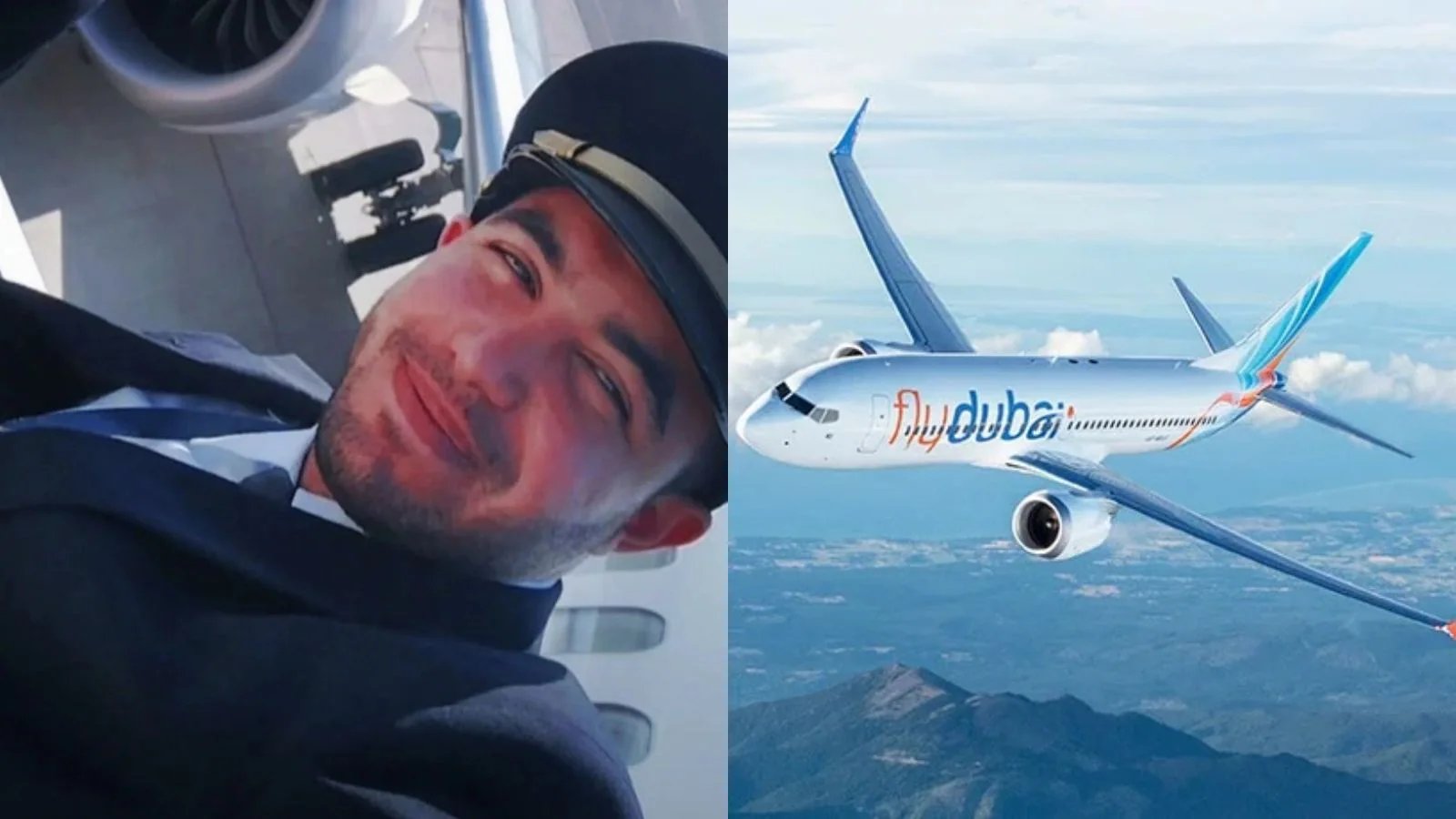
Hammam Al Hammami, an Omani national who had spent years in the UAE and Syria, first fell out of favor with Oman Air in 2025 after regulators flagged his extremist online activity. He then relocated to Casablanca, where Royal Air Maroc accepted him for a three‑month theoretical training stint, only to bar him from the cockpit in January 2026 on similar grounds. Despite this, the airline’s safety director confirmed the pilot was hired by flydubai in February 2026, a move that has now come under scrutiny.
On September 30, 2026, the Dubai‑to‑Tel Aviv flight carrying 174 passengers, including a large Israeli contingent, was rocked when Hammami seized the cockpit with an axe and tried to seize control. Captain Smit Machchhar, an Indian co‑pilot, fought back, halting the attacker and forcing a steep dive that sent emergency beacons. Two passenger pilots managed to stabilize the aircraft and diverted it to a Saudi military‑civilian airbase where Hammami was taken into custody.
An Israeli dentist, Shota Musaev, who happened to be on board, later described the ordeal, noting how Machchhar’s quick thinking saved all lives. The incident has exposed gaps in flydubai’s vetting procedures, with senior officials admitting the company relied on incomplete background checks. An investigation has been launched by the UAE aviation authority, and the airline faces potential fines.
Flydubai’s board is slated to meet next month to discuss tightening hiring protocols, while the UAE Civil Aviation Authority plans a public hearing for late October to address systemic lapses. Meanwhile, Hammami’s trial is expected to begin in early 2027, and the case may reshape how airlines screen pilots worldwide.