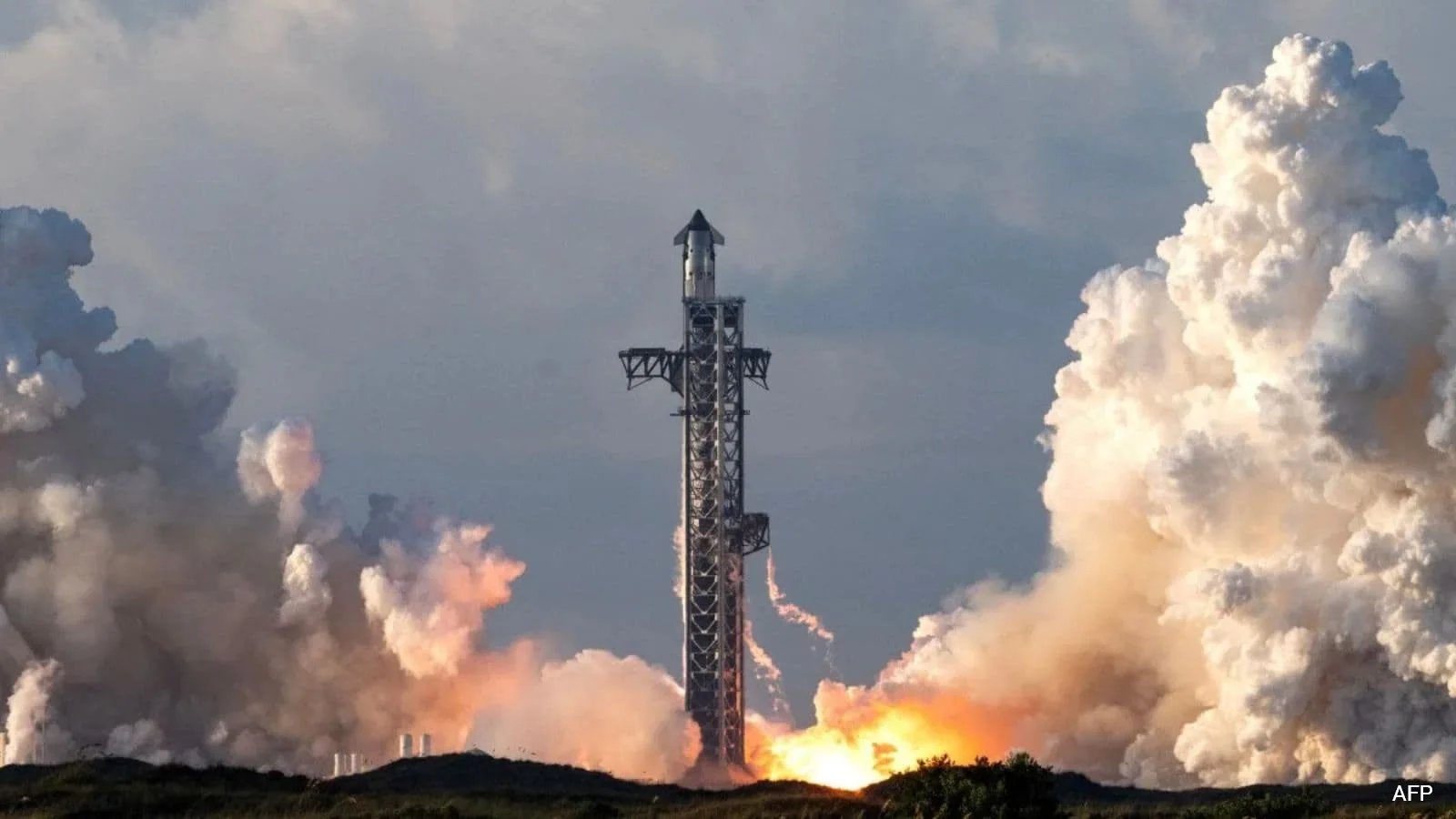
SpaceX launched its Starship from the Starbase launch pad in Texas on Monday, reaching orbit after a 3‑hour flight that deployed 26 new Starlink satellites.
The flight was intended to last nearly 10 hours, with the rocket circumnavigating Earth six times before a planned Pacific splashdown. A single engine shut down too soon, but after a tense pause the crew decided to continue, citing that the remaining systems were nominal.
Shortly after the first two laps, the flight was terminated to prioritize safety. The vehicle re‑entered over the Pacific and splashed down north of Hawaii, where it broke apart in flames.
Mission Control cheered, declaring the vehicle orbital, while NASA Administrator Jared Isaacman praised SpaceX for its safe handling. Elon Musk, in a post‑flight interview, said the decision was driven by a need to avoid debris falling on populated land.
The data from the mission will inform a possible return to launch pad for the next Starship, with SpaceX planning to refly the craft by year‑end or early next year. The successful orbit also moves the company closer to NASA's Artemis III lunar docking exercise slated for summer 2026.