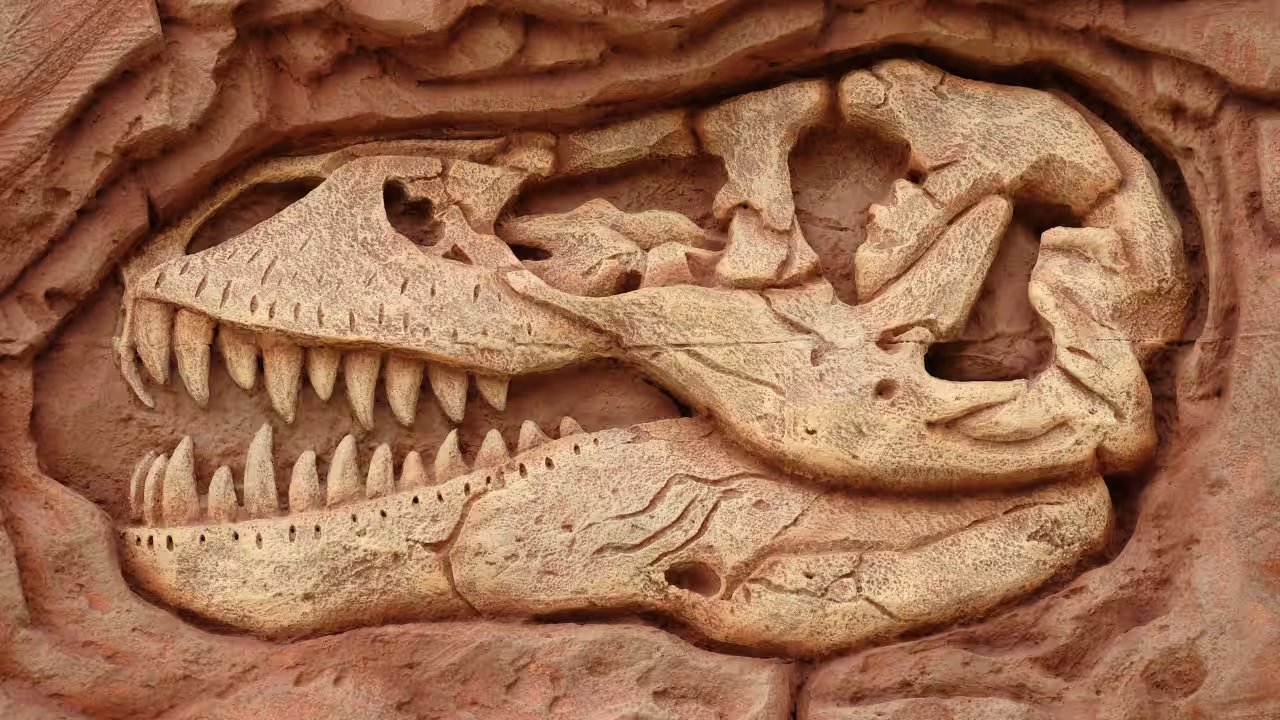
NEW YORK — The gavel slammed down after twelve relentless minutes. A 67-million-year-old predator skeleton, unearthed on private ranchland in Garfield County, Montana, commanded $47.3 million at Sotheby’s on October 27, 2026. The sale makes the specimen—an exceptionally preserved Nanotyrannus nicknamed "Jodi"—the second most valuable dinosaur fossil ever sold at auction, trailing only Gus, a Tyrannosaurus rex that fetched $50.1 million in July.
Sotheby's had posted an opening estimate between $6 million and $9 million. Six determined bidders quickly blew past those numbers. Phone handlers scrambled as digital bids flashed on room screens, driving the price upward in rapid six-figure increments until an anonymous buyer clinched the winning bid. The specimen stands 9 feet 6 inches tall, stretches 19.6 feet in length, and retains roughly 70 percent of its original bone structure. Only three substantial Nanotyrannus skeletons exist anywhere in the world.
Local rancher Jodi Pierson stumbled across the protruding bones in 2019 while traversing her property within the fossil-rich Hell Creek Formation. The geological layer preserves the twilight of the Cretaceous period, capturing animal and plant life shortly before the catastrophic asteroid impact 66 million years ago. Pierson brought in professional excavation teams to safely extract the massive skeleton from the rock, a complex multi-year operation that eventually gave the mounted carnivore her name.
But Jodi represents far more than an opulent trophy. For decades, vertebrate paleontologists split into warring camps over whether Nanotyrannus was a distinct carnivore species or merely an adolescent T. rex. That debate shifted dramatically in October 2025. Researchers Lindsay Zanno and James Napoli published anatomical findings in the scientific journal Nature examining the famous "Dueling Dinosaurs" specimen. Their analysis established that the tyrannosaur was a fully developed adult roughly 20 years old. Napoli stated that classifying the creature as a juvenile T. rex was "not just unlikely – it's impossible."
Nanotyrannus possessed stark anatomical differences from its bulkier relative, including significantly longer forelimbs, larger hand claws, and thinner, blade-like teeth built for slashing rather than crushing bone. Jodi marks the first Nanotyrannus specimen to hit an international auction block since the peer-reviewed research affirmed the species' distinct identity. While the private buyer's identity remains undisclosed, researchers will watch closely to see if the rare skeleton is loaned to a public research museum or locked away in a private collection.