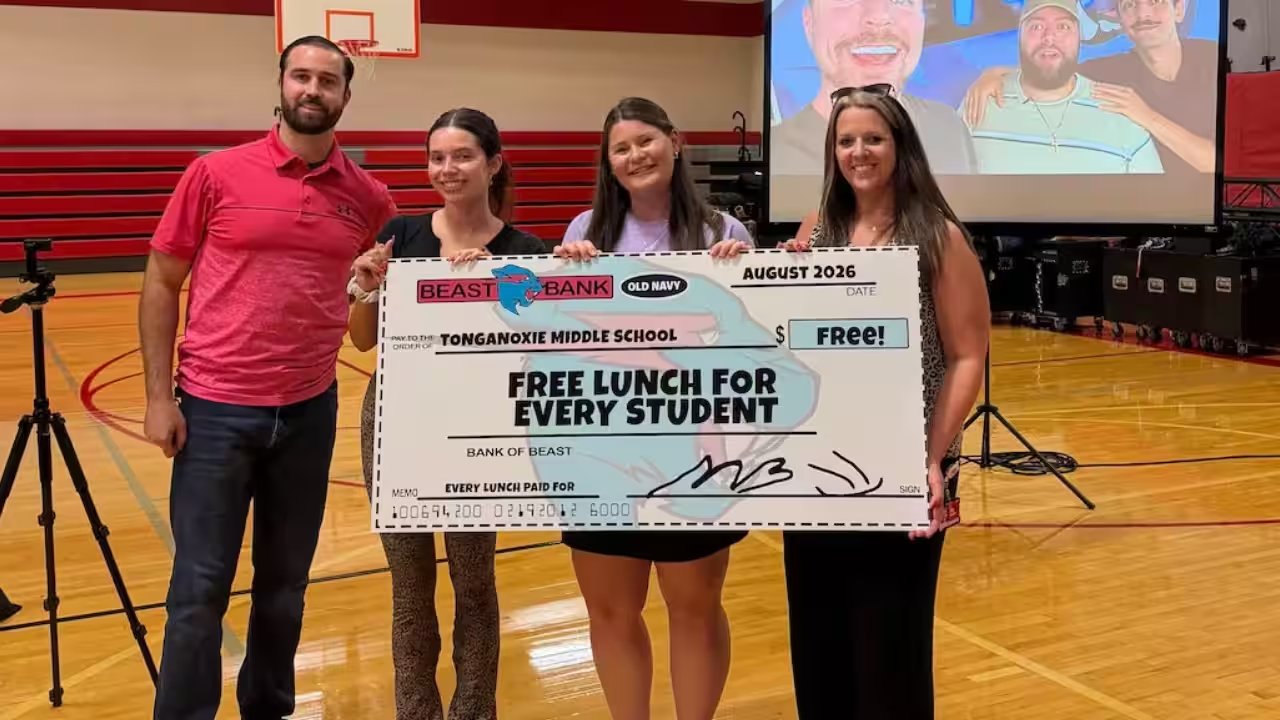
Jimmy Donaldson, known globally as MrBeast, dropped a surprise funding package at Tonganoxie Middle School in Kansas this September. He committed to covering the cost of hot lunches for every single student for the rest of the academic year. The move wasn't random. It was the direct result of a persistent, yearlong social media campaign by agriculture teacher Beth Schartz, who refused to let a child go hungry over a dinner plate.
Schartz started sharing videos highlighting the crushing weight of student lunch debt. Her initial goal was modest: clear the balances at her own school. She succeeded. But she didn't stop. She kept talking. She kept posting. Her persistence highlighted a crisis that was spreading across the state. According to a 2024 study by Kansas Appleseed, total school meal debt in Kansas had surged to nearly six times its pre-pandemic level after the federal free meal program expired in 2022. For many families, the cafeteria had become a place of anxiety, not nourishment.
The situation reached a breaking point when Schartz heard about a student elsewhere in the state who faced disciplinary action for taking food from the line while owing a balance from the previous year. That incident hardened her resolve. She kept amplifying the issue until it reached the ears of one of the internet's most powerful voices. MrBeast, partnering with clothing retailer Old Navy, stepped in. The deal included not just meals, but free back-to-school outfits for every student. It was a comprehensive intervention, removing two major financial stressors from the shoulders of rural Kansas families.
Principal Hays Farwell confirmed the immediate impact. Attendance at the lunch table spiked. Students no longer hesitate to grab a tray. The stigma of unpaid balances has vanished from the cafeteria. For Schartz, this is more than a viral moment; it’s a validation that one teacher’s refusal to accept the status quo can bend the trajectory of an entire community. The remaining question is whether this model can scale beyond a single school in a small town.
The next phase involves watching if other districts in Kansas adopt similar debt-relief mechanisms or if this remains an isolated act of celebrity philanthropy. School board meetings in the region are expected to address the long-term funding gap left by the end of pandemic-era subsidies.