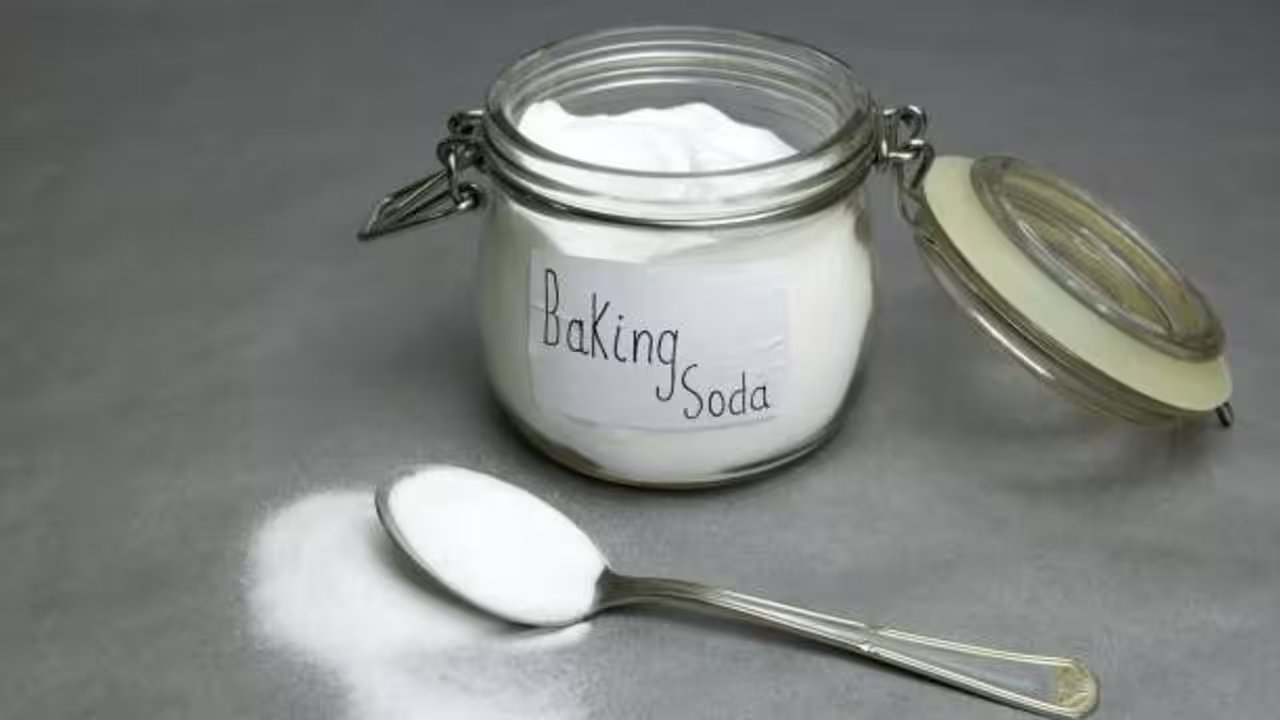
If you hate that tacky feel after cooking, grab a jar of baking soda and a damp cloth and you’re already halfway to a spotless counter.
Start by clearing the slab – pull out jars, appliances, and chopping boards. Use a dry cloth to wipe loose crumbs, then a damp one to remove dust. This prep step lets the baking soda paste hit the sticky film directly, not waste time beating up the grime.
Mix three tablespoons of baking soda with one tablespoon of water in a small bowl until the mixture thickens into a spreadable paste. For extra grease, add a few drops of dish soap, or tweak the water to reach the right consistency. A thicker paste stays where it’s applied, giving the soda time to work its mildly abrasive magic.
Spread the paste over the tacky patches with your fingers or a soft cloth, covering evenly. Let it sit for 10‑15 minutes – for stubborn, aged stains next to the stove, give it a few minutes longer. If the paste starts drying, spritz a splash of water to keep it moist; a crusty layer is harder to wipe off.
Gently scrub in small circles with a soft sponge or damp cloth, applying light pressure. The fine grit lifts the residue without scratching the slab. Once the surface feels smooth, rinse off the paste with a clean, damp cloth, wiping away all traces of powder. Finish with plain water, then dry with a cotton towel to prevent water marks and dust cling.
Keep the streak‑free shine by wiping the counter with a damp, soapy cloth right after cooking and handling oil or sugary spills immediately. A quick daily wipe beats a deep scrub every week and keeps the counter looking fresh and ready for the next meal. If you’re worried about abrasiveness on delicate surfaces like marble, test the paste in a hidden spot first or use a milder alternative. Happy cleaning!