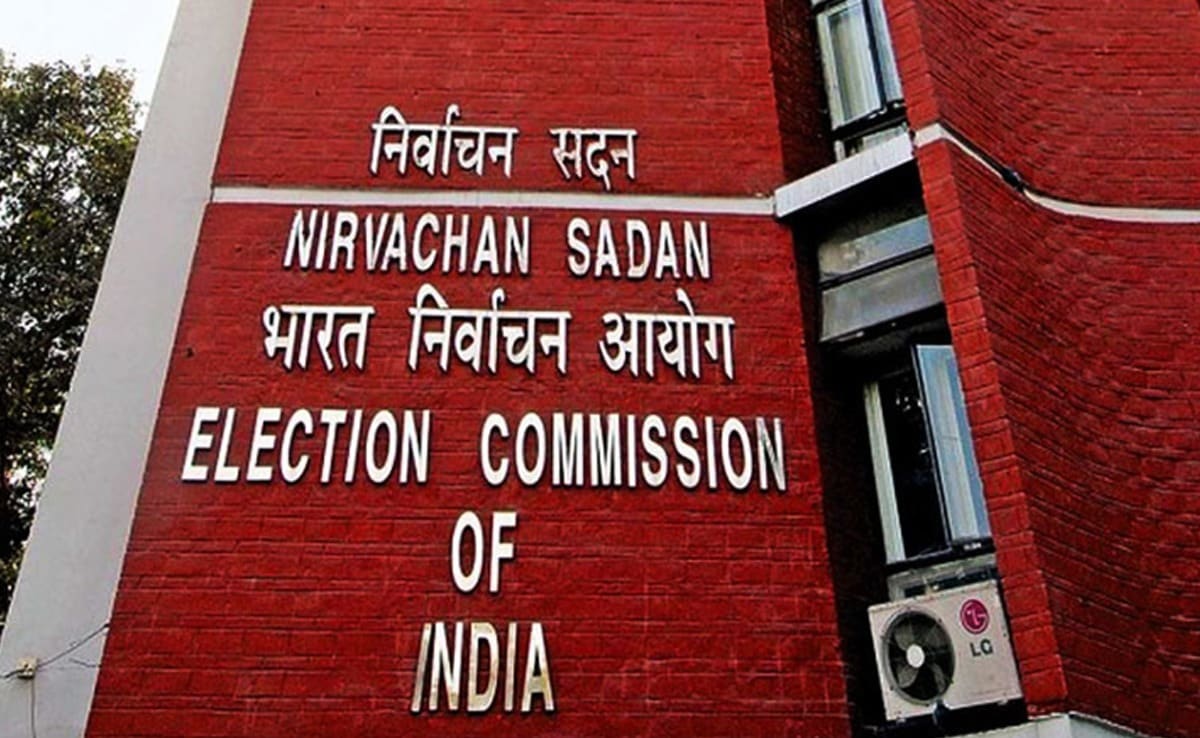
Election Commission of India (ECI) informed the Supreme Court today that Form 6, the statutory form new voters must submit, has not been altered despite a petition filed against Chief Election Commissioner Gyanesh Kumar. The petition, lodged on 27 October 2025, challenges the Special Intensive Revision (SIR) exercise and the addition of a separate declaration form, which the Commission says is not part of Form 6.
The SIR initiative aims to purge duplicate entries from the electoral roll. Under the latest SIR orders, voters whose names are missing from draft rolls must submit the new declaration to map their electoral history with that of their parents and grandparents. This mapping, the Commission argues, is meant to reduce the need for further documentation during the claims and objections period.
The claim against the SIR exercise stems from a series of objections filed by former Election Commissioners Sukhbir Singh Sandhu and Vivek Joshi, reported by The Indian Express. Those objections, allegedly ignored, prompted the petitioners to question whether the declaration form constituted an amendment to Form 6. ECI counters that any change to the form must come from the central government, and that the declaration is a distinct, temporary measure.
In the meantime, a 17‑year‑old student in Bengaluru who is registering for the first time will still have to fill out Form 6 as before, but can rely on the declaration to avoid extra paperwork. The Supreme Court is set to hear the case on 15 November 2025, after which it will decide whether the SIR process, as outlined by ECI, complies with constitutional norms.
The Commission’s affidavit, filed in the Delhi High Court, stresses that the declaration is only required for the SIR process and will be discarded once mapping succeeds. It also notes that the SIR orders are unanimous and that the Commission’s decisions follow a strict chain of approvals, from the individual Election Commissioner to the Chief Election Commissioner and finally to the Secretariat.
The outcome of the hearing could influence how future voter roll revisions are conducted, and whether the declaration form can be retained for subsequent electoral exercises.