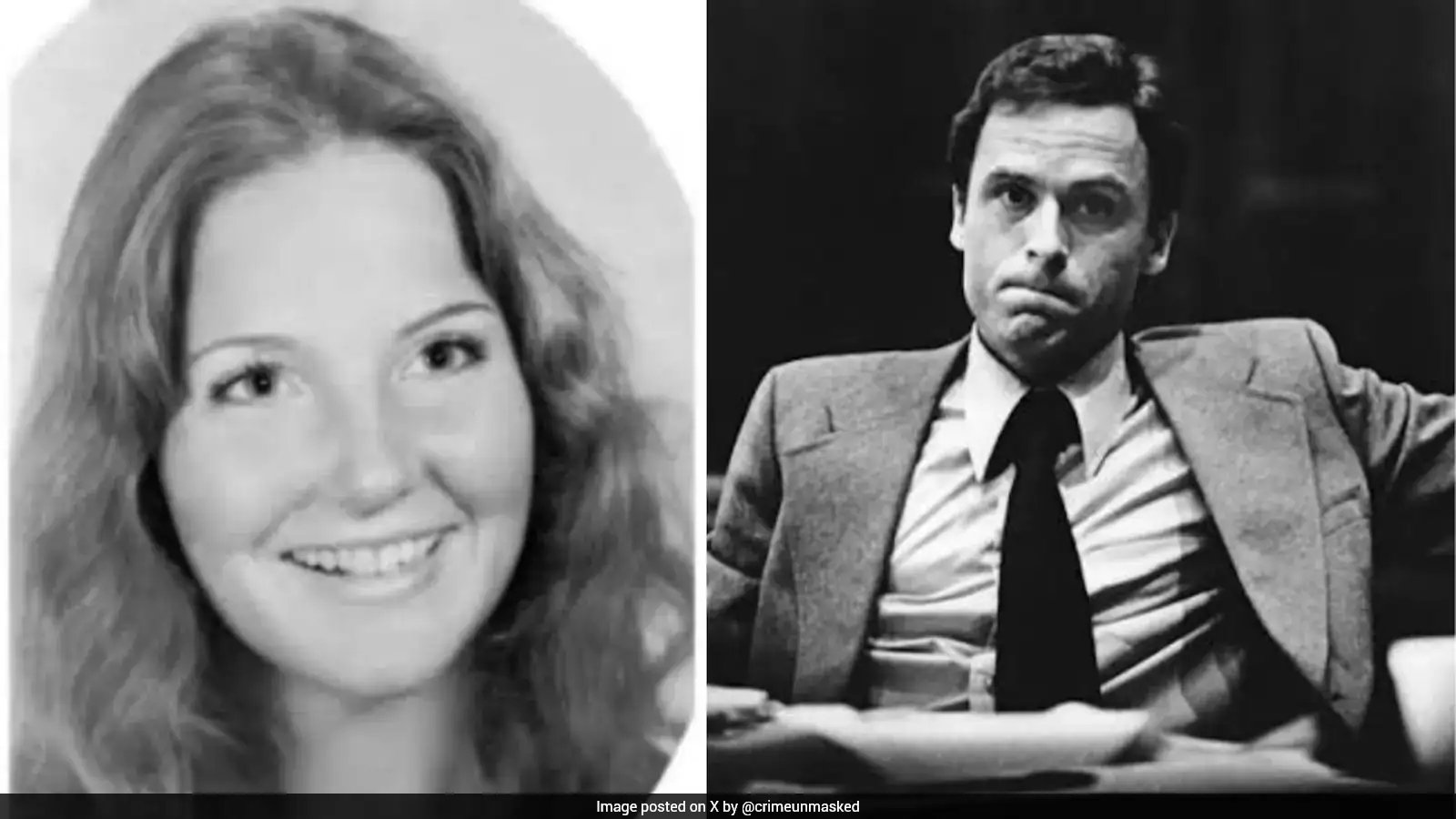
The state’s investigative unit announced on Tuesday that the DNA profile recovered from Melissa Ann Smith’s remains matches that of the notorious killer Ted Bundy. The finding was presented at a news conference by Summit County Attorney Margaret Olson, who noted the scientific rigor that linked the cold case to the infamous serial killer.
Smith vanished on Oct. 18, 1974 after a night out at a pizza parlor and a restaurant, and her body was discovered nine days later in a wooded area of Summit County. The case had sat on the docket for 52 years, awaiting modern forensic tools.
The breakthrough was made possible by Utah’s state crime lab, which upgraded its DNA extraction technology in 2023 to pull usable profiles from minuscule, degraded samples. Salt Lake County Sheriff Rosie Rivera said, "This case underscores the importance of preserving evidence," adding that such advances could solve other long‑cold homicides.
Bundy’s name surfaces again as the lab also confirmed his DNA on Laura Aime’s remains, a victim in Utah County whose case closed last April. Together, these findings push his confirmed victim tally to 30.
Melissa’s relatives declined to attend the announcement, even though her parents had been police chiefs in Midvale before they died. Their silence reflects the lingering pain families feel when decades of uncertainty end.
Detectives are now turning the new DNA protocols toward other unsolved 1970s deaths, notably the 16‑year‑old Nancy Wilcox case, marking a renewed push to close cold cases across the state.