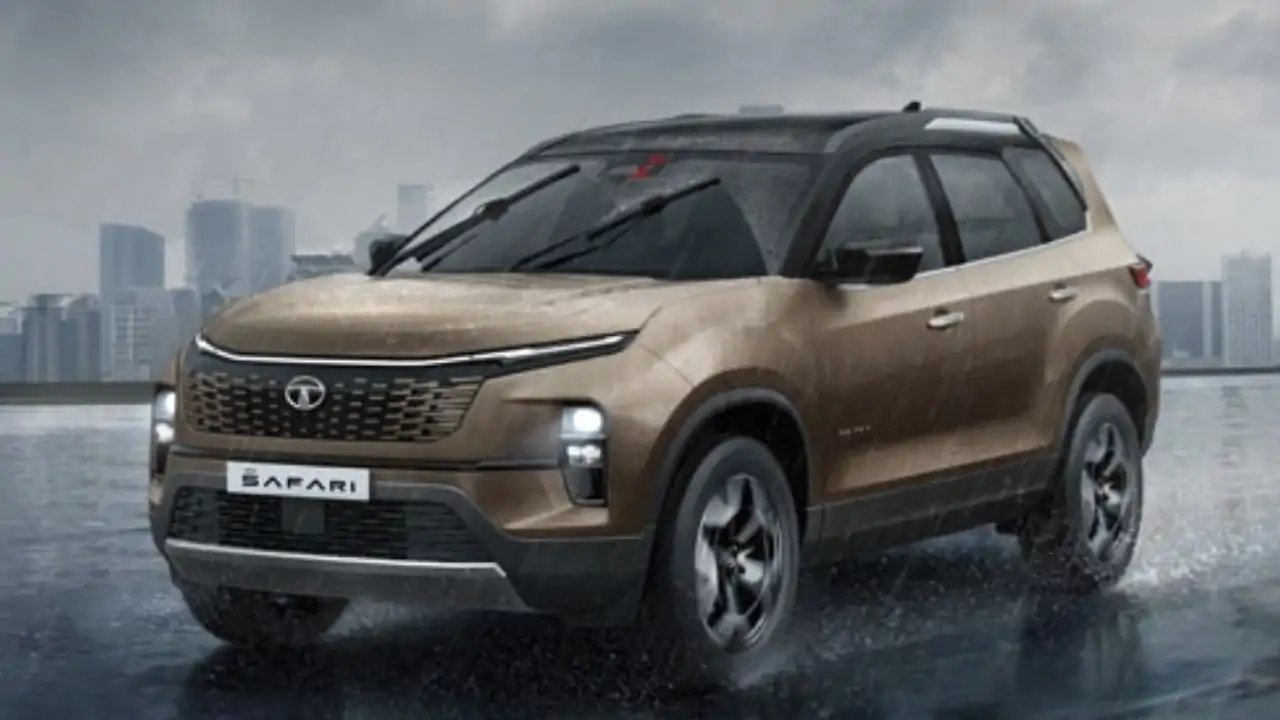
If you’re hunting for a seven‑seat electric SUV that won’t break the bank, the new Tata Safari EV promises a fresh option on the block.
The price will start at ₹22.5 lakh and climb to ₹30 lakh for the top‑trim. It will use the same 65‑kWh or 75‑kWh battery packs that power the Harrier EV, with rear‑wheel drive or an all‑wheel‑drive version that couples two motors. The larger, three‑row body means the range will be a touch lower than the Harrier’s 627 km, but still projected to remain competitive for family trips.
In the crowded three‑row EV segment, the Safari will go head‑to‑head with Mahindra’s XEV 9S and the premium‑priced Hyundai Ioniq 5 L5. While the XEV 9S sits at a higher price point, the Safari’s lower entry price and similar boot space give it a pricing edge.
India’s recent EV incentives—lower GST, reduced registration fees, and a growing charging infrastructure—only make the Safari’s value proposition stronger. Buyers can expect a 5% GST at launch, and Tata’s own charging network, which is expanding in metro hubs, will support the 75‑kWh pack’s 80‑kW DC fast‑charge capability.
Tata plans to roll the Safari out across major cities by August, with Delhi, Mumbai, Bengaluru and Hyderabad slated for the first batch. Keep an eye on detailed trim options, boot volume and V2L capabilities that could turn the Safari into a practical work‑to‑home machine.