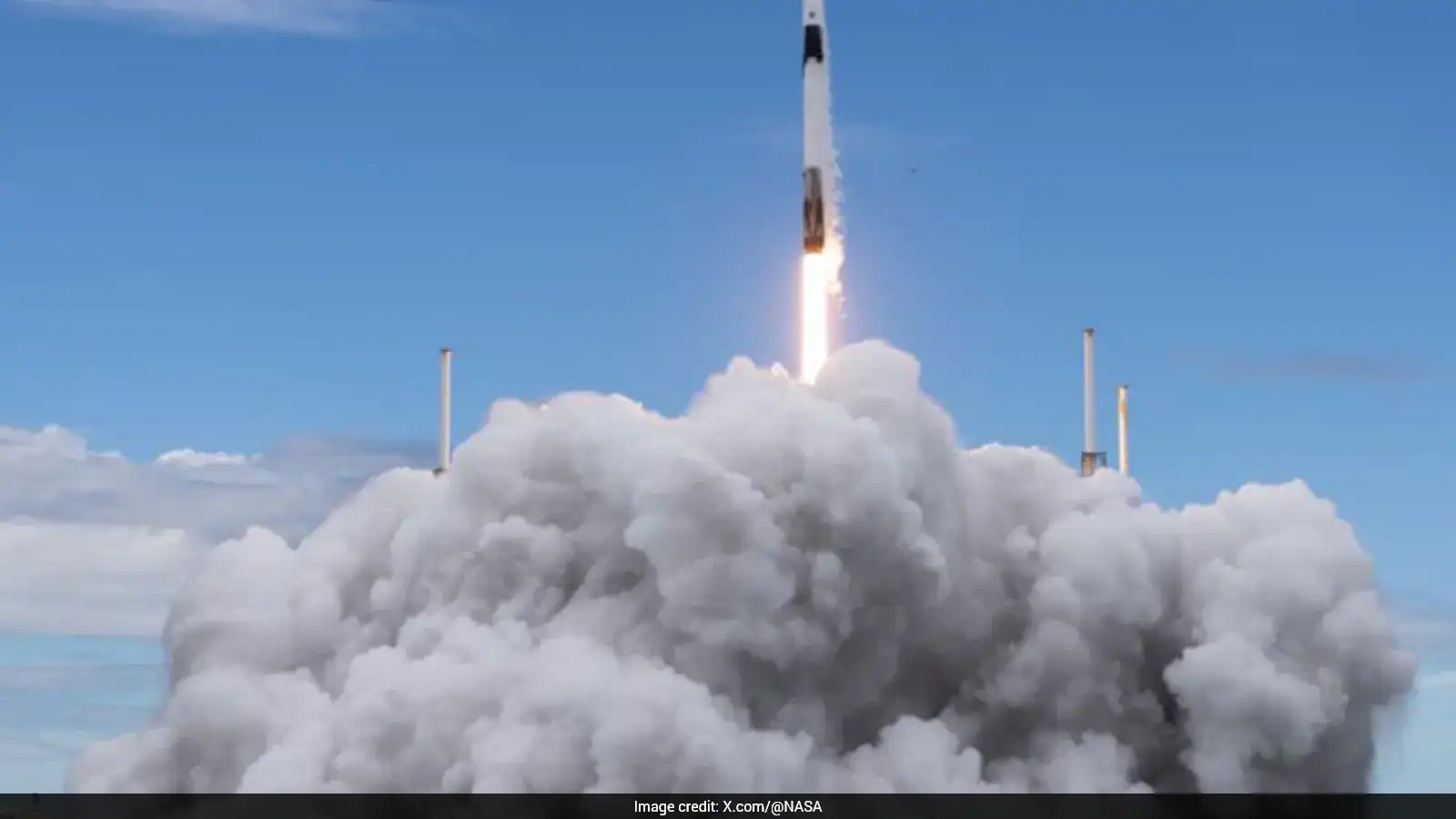
SpaceX’s Falcon 9 lifted off at 11:29 UTC, the fastest U.S. launch to the ISS in history, completing the eight‑hour journey in a single pass that cut travel time by more than a third compared to earlier missions.
The orbiting quartet—NASA commander Jessica Watkins, retired Marine Luke Delaney, Royal Canadian Air Force colonel Joshua Kutryk, and Russian former submariner Sergey Teteryatnikov—entered the station as Crew‑13, a nod to the ill‑fated Apollo 13 mission that inspired their patch.
Watkins, a geologist who worked on the Curiosity rover, becomes the first Black woman to command a crew to orbit, while Delaney brings a decade of spaceflight experience from 2022.
Kutryk’s arrival adds another layer of drama: his wife Heather is due to give birth in late November, making him the fourth astronaut to be a father while in space. The Canadian Space Agency has pledged full support for the family during the birth, following precedent set by NASA in 2004 and 2009 with radio‑linked deliveries.
The launch itself had a three‑week delay after a leak in the Dragon capsule’s fuel system, but thick clouds that threatened to stall the countdown cleared, allowing the launch window to close.
SpaceX kept the momentum: three hours after Crew‑13, a Falcon launched from California deployed over 100 mini‑satellites, and a second rocket was scheduled to fire from Florida carrying a classified National Reconnaissance Office payload. That same week, the company’s Starship achieved its first orbit, underscoring a busy week for the private space firm.
NASA will monitor the crew’s six‑month stay as they conduct experiments and maintain the ISS, while the Canadian Space Agency prepares for the historic birth that will take place in orbit. The next major milestone will be the crew’s return to Earth in early 2027.