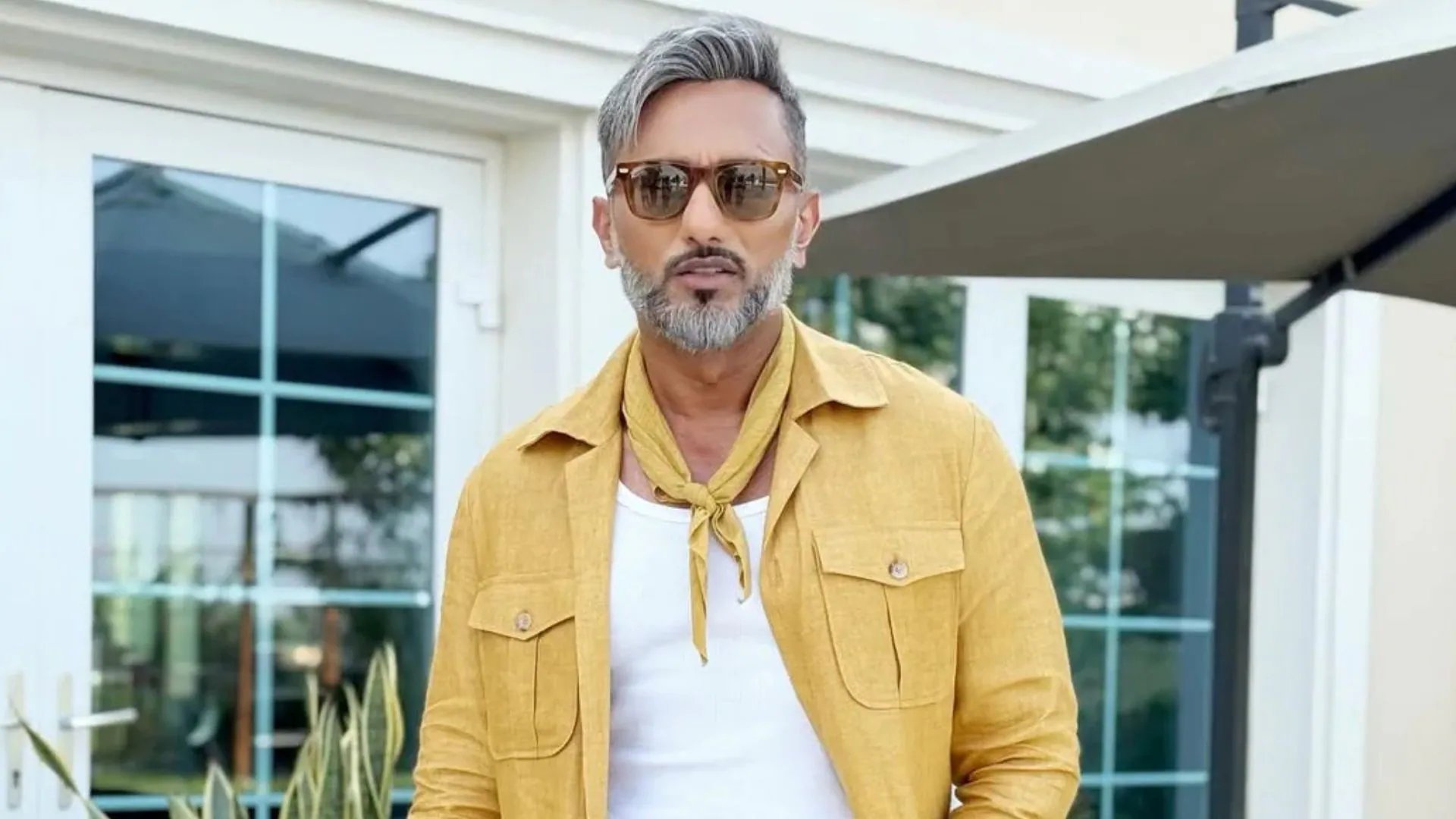
The 43-year-old rapper walked into the Maharashtra Cyber Cell headquarters on Friday, October 16, to record his statement. He was there to answer for alleged obscene remarks delivered during a live concert in New Delhi back in January 2026. A police official confirmed the appearance, marking the end of a frustrating chase for the investigators.
Let’s be clear: this wasn’t a first-time visitor. Authorities had summoned Honey Singh three times previously. He didn’t show. His excuse? He was abroad. A senior Cyber Cell official had even floated the idea of a Look Out Circular (LOC) to stop him from leaving the country if he missed the fourth summons. He came. But he left quickly, stepping out of the building without a word to the waiting media.
The case stems from a video clip that went viral from his Delhi show. In it, he allegedly made indecent references to having sex in cars. That clip sparked enough outrage for a Mumbai resident to file a formal complaint, prompting the Cyber Cell to register a case. It’s not the first time his stage banter has crossed a line for the law.
Just months ago, in April 2026, the Delhi High Court took a hard stance on his music. The court directed the Centre to remove links to the song Volume 1 from social media and file-sharing platforms. The judges didn’t mince words, calling the track "highly vulgar, obscene and derogatory towards women." They explicitly rejected the defense of artistic freedom for that specific content.
Honey Singh did issue a video apology after the initial backlash. He claimed he was trying to speak in a language Gen Z would prefer, though he admitted the expression was "inappropriate and not acceptable." With Brown Rang and Lungi Dance still defining his legacy, the rapper is now navigating a legal landscape where his stage persona is increasingly clashing with statutory limits.