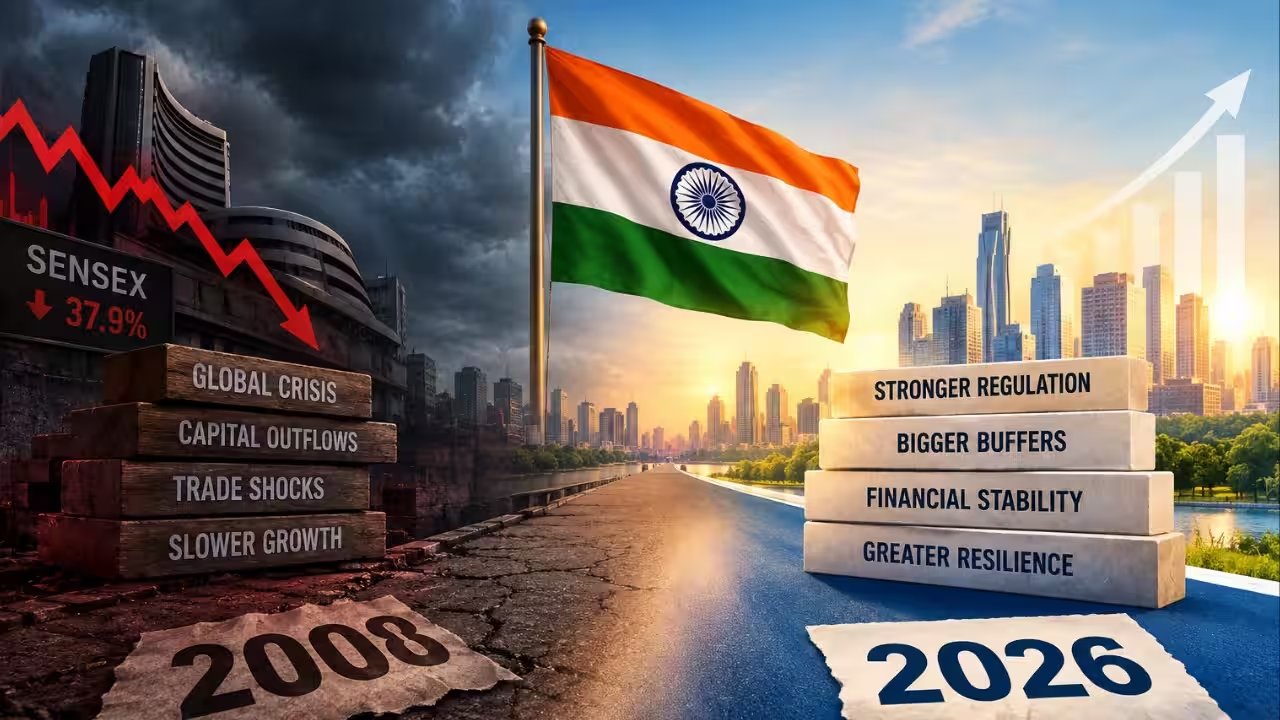
The 2008 global financial crisis rattled India as the Sensex plunged 37.9 % and GDP growth slid to 6.7 % in 2008‑09 from an 8.8‑percent average. The shock hit the capital markets first, with foreign inflows drying up and investor sentiment turning negative.
The RBI reacted swiftly, slashing the repo rate from 9 % to 4.75 % between October 2008 and April 2009 and cutting the cash reserve ratio from 9 % to 5 %. It also deployed refinance facilities and open‑market operations that released roughly ₹5.85 lakh crore of primary liquidity by October 2009.
Beyond liquidity, the crisis prompted a legal overhaul. The Insolvency and Bankruptcy Code of 2016 introduced a time‑bound corporate resolution process, while a 2019 amendment extended a modified IBC regime to financial service providers. The RBI’s 2014 Domestic Systemically Important Banks framework now classifies SBI, HDFC Bank and ICICI Bank as D‑SIBs, imposing extra capital buffers. Deposit insurance was also expanded to cover deposits up to ₹5 lakh.
Fast forward to 2026: a new wave of investment is surging around artificial intelligence. Regulators are drafting a framework to manage AI‑driven financial risks, and the RBI plans to publish a white paper on AI‑related credit and market stability by November.
For traders like Ramesh Kumar, a Jaipur textile exporter, the stronger regulatory environment means quicker loan approvals and lower default risk. He says the post‑2008 reforms give him confidence to expand into overseas markets.
The government has scheduled a parliamentary committee hearing on AI financial risk on September 15, where RBI officials will present the proposed AI risk framework and invite industry feedback.