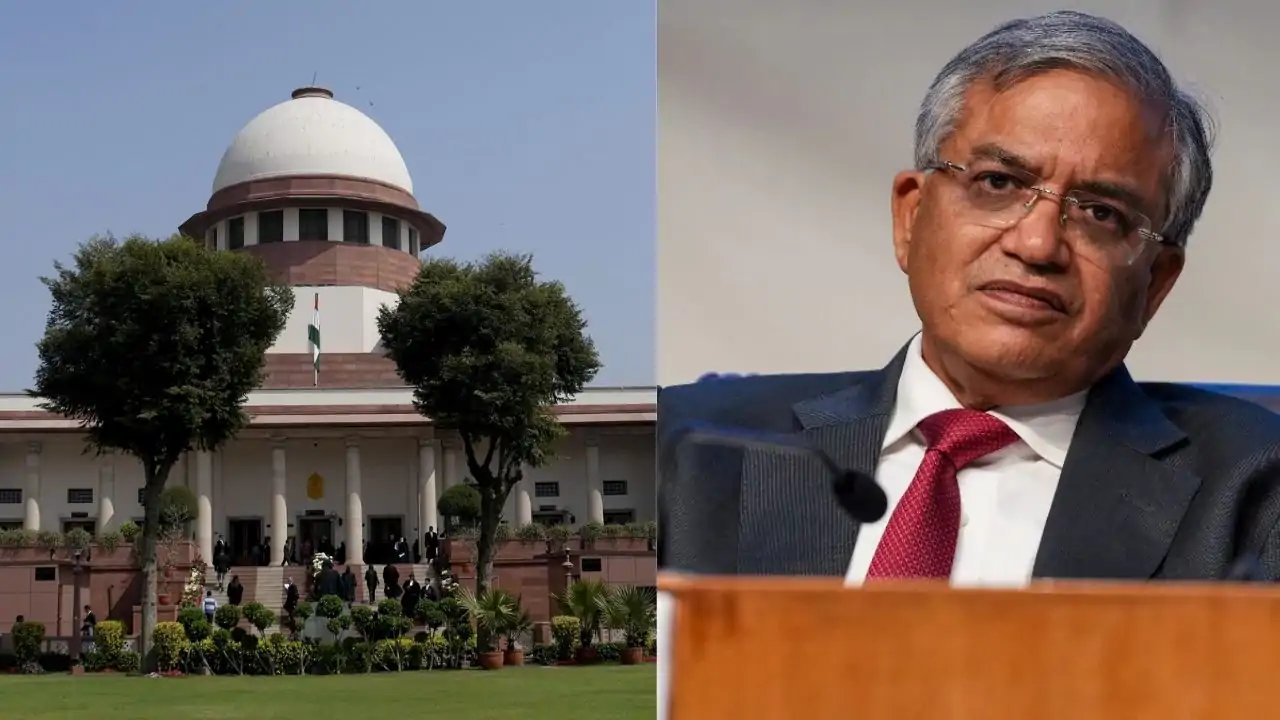
The Supreme Court, on Monday, sent a notice to the Election Commission after a petition from Rakesh Kumar Singh alleged that Chief Election Commissioner Gyanesh Kumar had taken decisions without the full commission’s consent. The petition centers on the recently altered Form 6, which now asks voters to declare ancestry links that were not part of the original template. A local voter in Jaipur, Asha Patel, said the extra questions made her uneasy and she feared it could affect her eligibility.
Chief Justice Surya Kant made it clear that the court will first examine authenticated records before acting on media reports. He warned that if the records show that statutory procedures were ignored, the court will step in and reverse the decisions. The bench also emphasized that the Election Commission is bound by the same laws as any other statutory body.
The altered Form 6 was introduced without the formal approval required under the elections law, according to the bench. Two election commissioners had reportedly raised objections before the changes went live. The court wants to know who authorized the amendments and how they were implemented.
Section 16 of the 2023 elections law, which grants immunity to serving and former election officials, was also scrutinized. Justice Bagchi noted that the protection cannot extend to personal misconduct unrelated to official duties. The bench said it will examine whether the immunity provision was applied correctly in this case.
The Election Commission must now provide the Supreme Court with detailed records of each contested decision within 15 days. If the court finds violations, it may issue interim orders to restore the status quo. The next hearing is scheduled for 15 November 2026.