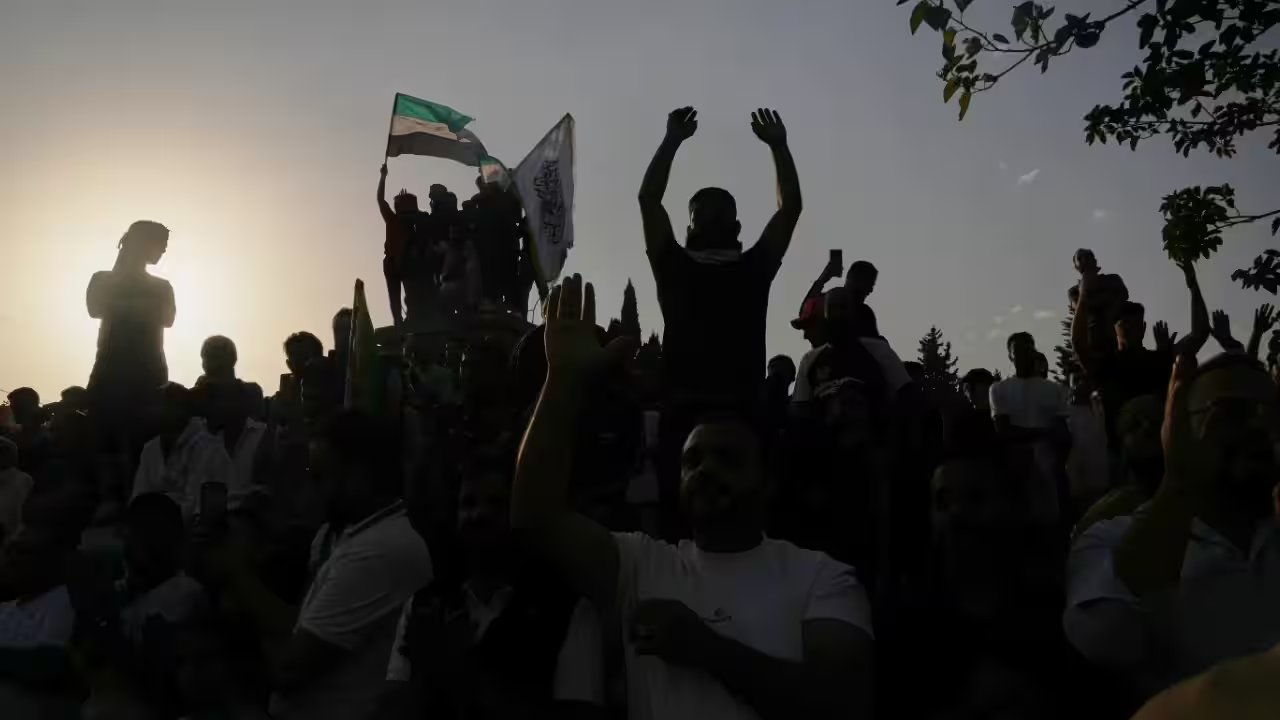
On September 14, President Ahmed al‑Sharaa approved a 40% diesel price hike that lifted the cost to 175 Syrian pounds per litre. The move followed a 28‑percent rise in 95‑octane petrol and a 26‑percent increase in 90‑octane petrol, while household gas rose 9 percent. Across the country, demonstrators burned tyres, blocked the Damascus‑Aleppo highway and disrupted tanker convoys, demanding the dismissal of the energy and economy ministries.
In a surprise mid‑September announcement, Energy Minister Mohammed al‑Bashir rolled back the decision, introducing a three‑tier diesel pricing scheme. Locally produced diesel for heating, agriculture and eligible users would cost 115 pounds per litre, a second grade sourced with "friendly countries" would be 150, and the standard grade would remain at 175. He also pledged to restart small local refineries, projected to process up to 35,000 barrels per day.
The protests underscore a deeper crisis. UNDP figures show 90% of Syrians live below the poverty line, up from a third before the war. Food prices have surged tenfold, electricity bills have risen by several hundred percent, and transportation costs have ballooned, squeezing farmers and low‑income workers.
Fatima Saleh Eid, 50, a cleaner in Damascus’ outskirts, said her family now only eats vegetables, having cut out chicken and meat. "We can’t afford meat anymore," she told the BBC, adding that even fresh produce has become too expensive. Nabil al‑Remhein, 63, a pensioner, reports only one meal a day for his family, and his electricity bill consumes a third of their income.
The government’s plan to restart refineries comes after repeated disruptions to fuel supplies. The move is expected to increase domestic crude processing and reduce reliance on imports. Analysts suggest the tiered pricing could ease pressure on households, but the long‑term sustainability of subsidies remains uncertain.