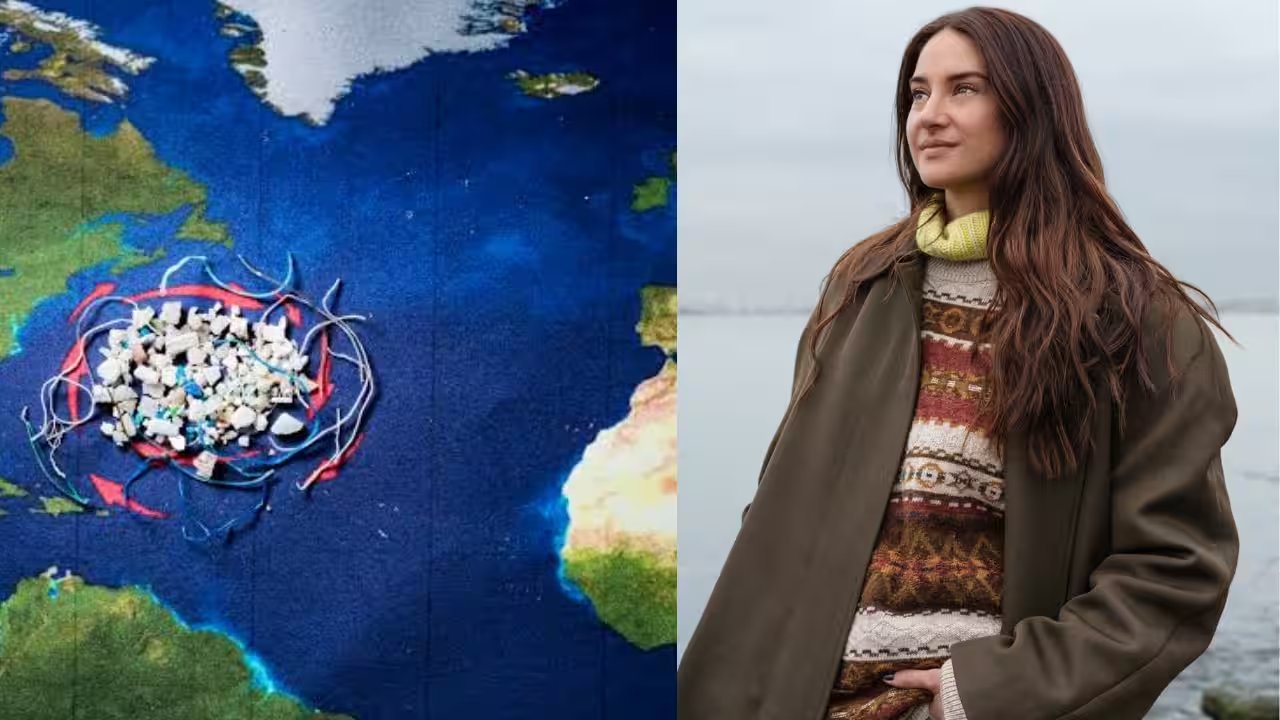
A single water sample from the Sargasso Sea held 1,298 microplastic fragments. That number shocks. It reportedly exceeds the concentration of visible debris found in the Great Pacific Garbage Patch, proving that plastic pollution has infiltrated one of the most remote ecosystems on Earth. The data comes from a 2019 Greenpeace expedition, where researchers and actress Shailene Woodley collected samples far from any coastline. The Sargasso Sea is not defined by land but by ocean currents that trap floating material in the North Atlantic. It is a vast, open-ocean nursery where juvenile sea turtles rely on floating Sargassum mats for survival.
The problem isn't the six-pack rings or bottle caps. It is the invisible stuff. Microplastics are tiny, often manufactured particles that disperse through the water column. They are hard to track, impossible to pick up by hand, and difficult to see with the naked eye. A stretch of blue water can look pristine while holding thousands of these particles. Woodley joined the mission specifically to highlight this hidden crisis. She wanted to ensure the scientific data fed into a concrete campaign for protecting international waters, not just a press release.
The stakes are high for the marine life that calls this area home. Microplastics interact with organisms at various levels of the food web. Juvenile sea turtles, which depend on the Sargassum habitat, are particularly vulnerable to ingesting these particles. The exact long-term effects depend on the species, plastic type, and concentration, but the presence of such high volumes is a red flag. The expedition offered a critical snapshot of pollution in an environment that is otherwise difficult to observe from land.
This finding shifts the narrative away from coastal littering. It suggests the problem is systemic and global. Plastic that breaks down in busy urban areas travels with currents to remote, undeveloped zones. The Sargasso Sea serves as a bellwether for the health of the open ocean. As scientists continue to analyze these samples, the pressure is mounting for stricter regulations on plastic production and waste management globally. The next step is translating this data into binding international agreements to safeguard these vital marine habitats.