The Bhotekoshi river burst its banks on August 26, 2026, sending a torrent that swept 1,400 residents to their deaths and left thousands missing. A joint Rapid Disaster Needs Assessment pegged the damage at US$2.69 billion, with reconstruction costs estimated at US$4.77 billion—roughly 10 % of Nepal’s GDP.
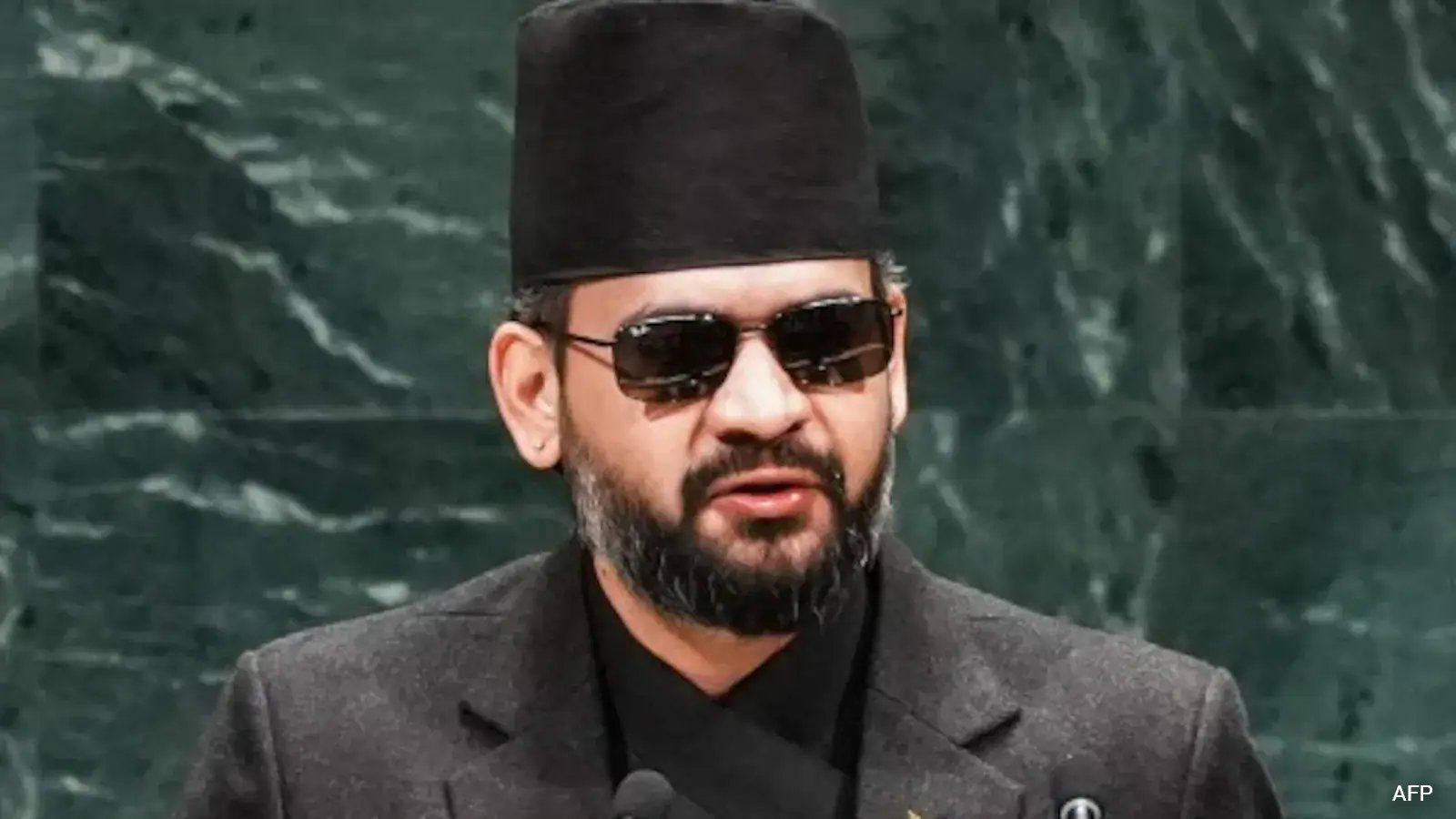
On Thursday, Shah addressed the 81st UN General Assembly, calling out the world’s paradox: “We have built a world with flawless logistics for war and broken logistics for food.” He pointed to the ease with which weapons cross borders while Nepali farmers struggle to buy fertilizer and fuel.
The prime minister then proposed a Himalayan Climate Resilience Mechanism, to be led by Nepal, India and China. By sharing satellite data and technical expertise, he argued, the trio could coordinate responses to floods, glacial melt and other climate‑driven hazards that affect nearly two billion people.
Shah thanked India and China for swift aid after the deluge, noting that “our immediate neighbours offered prompt and generous assistance.” He also praised the United Nations, humanitarian agencies and global donors for standing with Nepal.
While the proposal has no binding force, it signals a formal call for multilateral action. UN officials said the idea will be tabled for discussion in the next sessions of the General Assembly, with member states invited to weigh in on a cooperative framework.
In a region where climate shocks are increasingly deadly, Shah’s speech could set a precedent for joint Himalayan governance—an effort that might raise the profile of climate justice on the world stage.