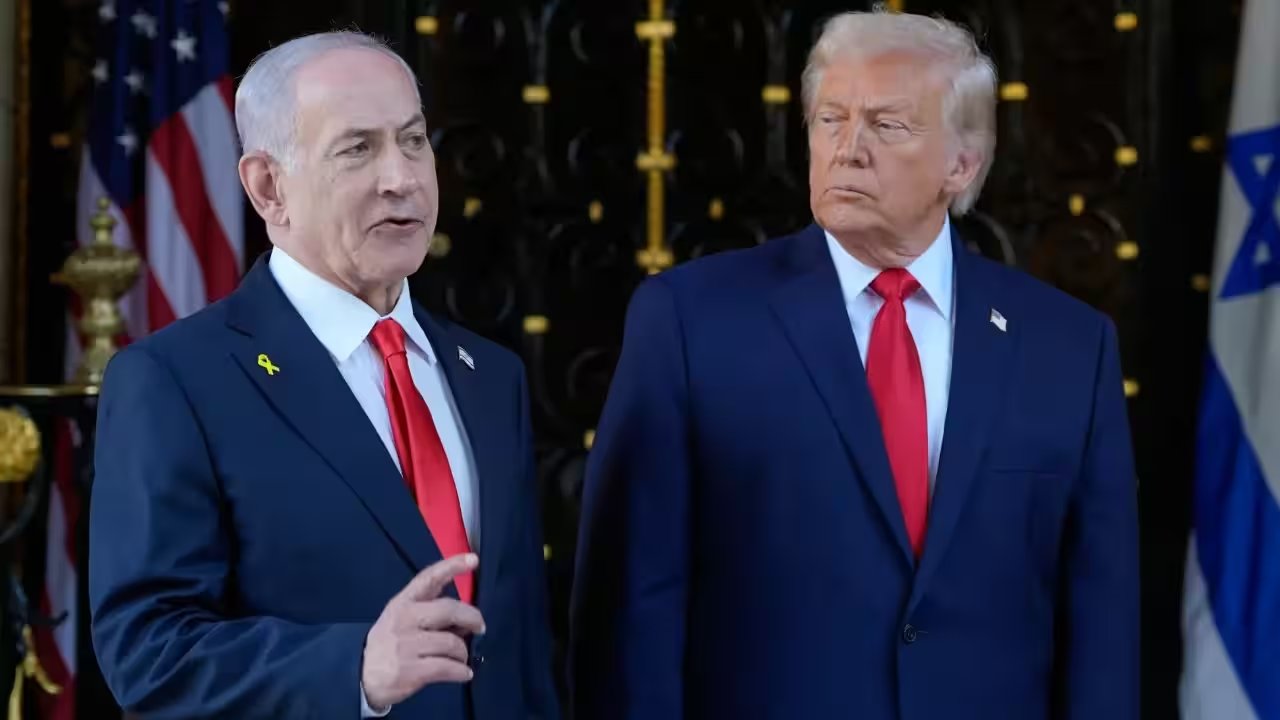
Israeli Prime Minister Benjamin Netanyahu is calling US President Donald Trump every single day to demand renewed airstrikes against Iran, triggering fierce resistance inside the White House. The lobbying blitz has stalled. Instead of greenlighting fresh attacks, Trump has pulled back from immediate escalation following personal interventions by four regional heads of state, declaring the war militarily "effectively over."
Leaders across the Middle East moved swiftly to shut down Netanyahu's war push. Over recent days, Saudi Crown Prince Mohammed bin Salman, UAE President Sheikh Mohamed bin Zayed Al Nahyan, Qatar's Emir Sheikh Tamim bin Hamad Al Thani, and Turkish President Recep Tayyip Erdogan called the Oval Office directly. They demanded talks over bombs. An official briefed on the discussions confirmed that regional heads and White House staff are actively working to blunt Netanyahu's appeals, warning that renewed bombardments would blow apart regional stability.
Trump shifted posture decisively on Monday after hosting Qatari Prime Minister Sheikh Mohammed bin Abdulrahman Al Thani and Vice-President JD Vance in Washington. Qatar has spearheaded backchannel efforts between Washington and Tehran. A diplomat briefed on the talks described the meeting as positive, confirming broad consensus that diplomacy must take priority. Trump then took to Truth Social to hail "positive momentum toward an end to this conflict," maintaining that while American forces remain prepared to act if needed, an offensive strike is not required right now.
Domestic political fallout heavily drove the pivot. The war and its shockwaves through global energy markets battered Republicans in last week's midterm elections, leaving voters furious over soaring fuel costs. But Washington is not standing down completely. Trump confirmed that American forces will keep their naval blockade clamped around Iran—a maritime cordon backed by Qatar, Saudi Arabia, the UAE, Bahrain, and Kuwait.
Gulf capitals remain on edge. Anwar Gargash, diplomatic adviser to the UAE president, said the focus must stay on regional de-escalation: "The priority must remain the pursuit of political diplomatic solutions capable of producing a more sustainable regional balance." Tehran has matched the rhetoric with warnings of its own. Iranian officials made clear they will strike back against any new operation, threatening retaliatory sabotage against undersea communication cables in the Strait of Hormuz and regional commercial data centres.
Backchannel mediators are now trying to break a weeks-long deadlock over an interim pact, working to salvage terms adapted from a seven-day framework presented by Iran in September. Formal talks through regional emissaries are set to continue in the coming days.