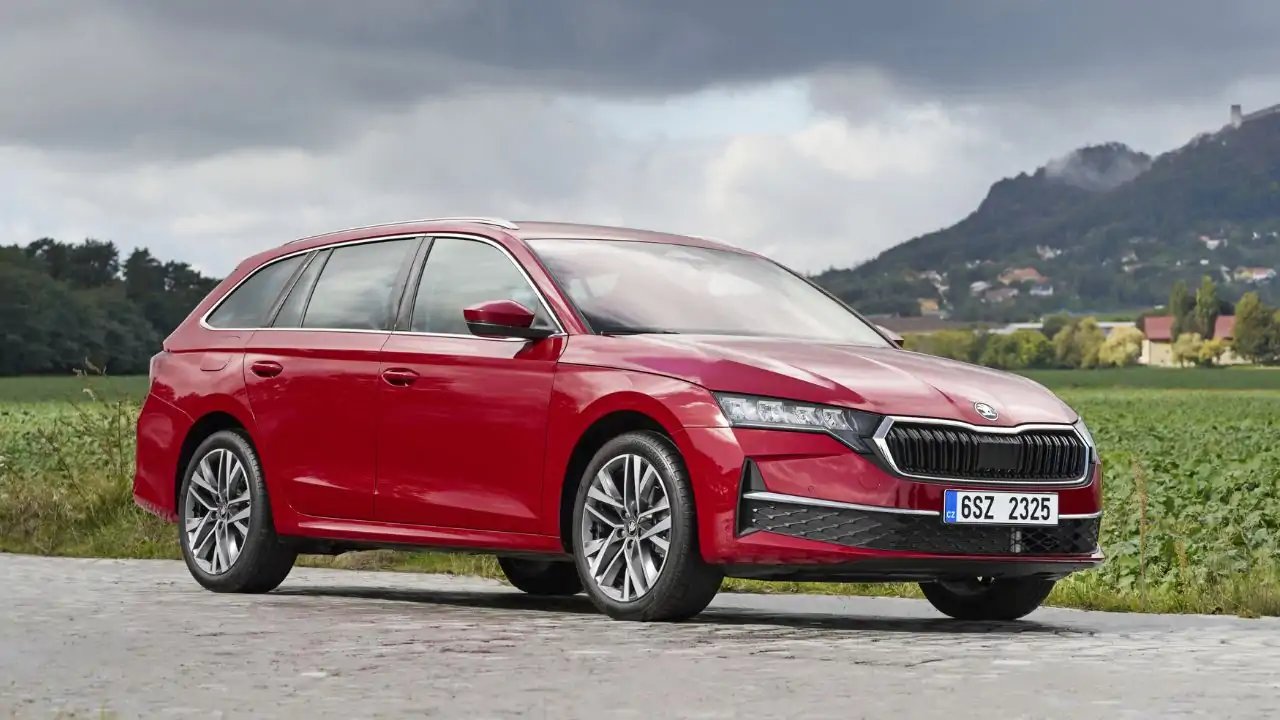
Skoda's Octavia is stepping into the full‑hybrid arena with a 1.5‑litre TSI that talks to two electric motors—one generating power, the other driving the wheels. The result is a 100 kW hybrid system that can push the sedan up to 180 km/h while keeping the battery charge between 40% and 90% for smooth operation.
But the real kicker for city‑driving is the 2‑km electric‑only burst, perfect for the tight lanes of Delhi or Mumbai where the engine stays off and the battery keeps the charge low.
Under the hood lies a single‑speed automatic with an electronic clutch, a 1.6 kWh battery tucked beneath the rear seats, and a 40‑litre petrol tank that keeps the engine running when the battery dips.
Bookings open this October, with deliveries slated for December 2026. The two power outputs—100 kW (129 hp) and 125 kW (148 hp)—are available in both hatchback and estate trims, under the Selection and Sportline variants.
In the broader market, the Octavia hybrid sits squarely against the VW ID.4 and Hyundai Ioniq, both of which offer all‑electric ranges of 300–400 km. Unlike those, the Octavia keeps a petrol backbone, which may appeal to buyers wary of range anxiety or the limited charging infrastructure in many Indian cities.
The launch arrives just as the Indian government pushes for 25% of new cars to be electric by 2026, a move that also loosens import duties on hybrids. For the average buyer, that means potential tax breaks and a more palatable price point.
The 2026 delivery window also lines up with the rollout of the first phase of India’s new charging network, giving early adopters a chance to plug in at home or on the go.
Overall, the Octavia hybrid offers a pragmatic middle ground: a familiar sedan form, a modest electric burst for daily commutes, and a petrol engine to keep the long‑haul worries at bay.