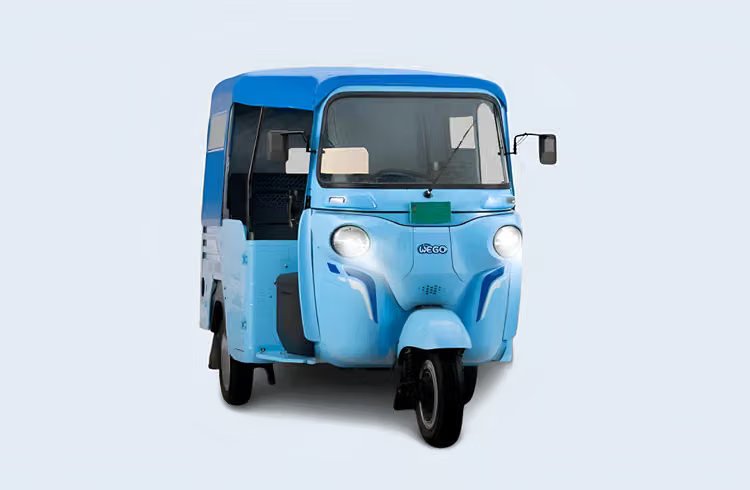
132,570 three‑wheelers hit the roads in September 2026, a 22.25% jump from last year – a headline that means more choices and tighter price wars for anyone looking for a low‑cost commuter.
Bajaj Auto led the pack with 46,680 units, grabbing 35.21% of the market. Mahindra & Mahindra and its last‑mile arm each logged a little over 15,000 units, just shy of 12% market share. Piaggio followed with 9,185 units, a modest 6.93%. For buyers, this shows Bajaj’s Twister and its newer electric variants are the go‑to for reliability and after‑sales.
Electric three‑wheelers made up 64.90% of September’s sales – a drop from August’s 65.30% but a huge leap over 56.65% in September 2025. That means most new units are battery‑powered, offering lower fuel bills and potential state incentives. For the everyday rider, it also hints at quieter, cleaner streets.
Rural sales surged 40.09% YoY, dwarfing the 4.71% growth in urban areas. The spike is driven by farmers and small vendors who need a cheap, robust vehicle to haul produce or goods. Urban shoppers are still buying, but the bulk of the market shift is happening outside the cities.
FADA predicts a festive conversion in October, as Navratri‑Dussehra demand lingers from September. Expect a short‑term boost in orders, especially in rural districts where families are buying on credit for the festival season.
Looking ahead, the next quarter will reveal if electric penetration keeps pace and if Bajaj’s new 2027 models will tilt the share wheel further. Buyers should watch for price cuts and new battery‑swap plans that could make owning a three‑wheeler even more attractive.