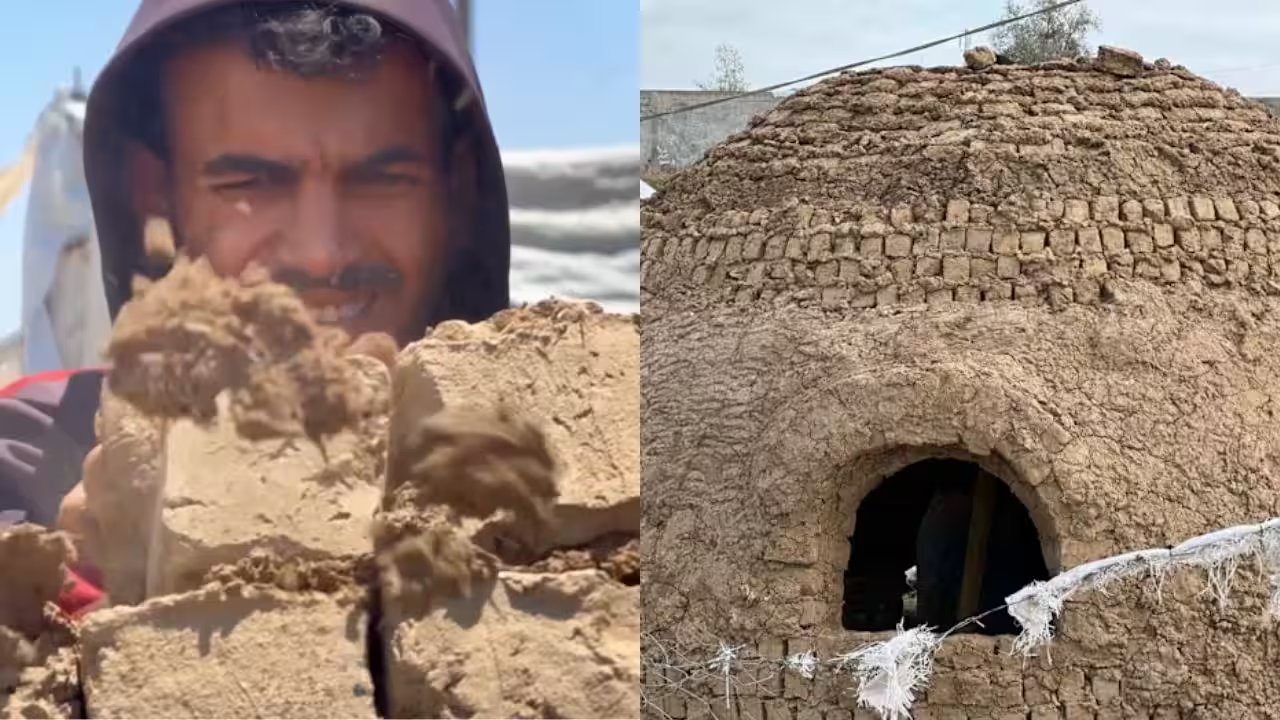
On 15 June 2026, Palestinian potter Jaafar Atallah turned the rubble beneath his feet into a domed clay shelter for his parents in Gaza, after two years living in a makeshift tent.
The war’s relentless shelling had razed the Atallah family’s home and pottery factory, forcing them to seek refuge elsewhere in the territory. With cement and steel deemed "dual‑use" and barred by Israeli authorities, residents have turned to locally sourced clay, ash, powdered glass and reclaimed concrete fragments to rebuild.
Atallah gathered a crew of 15, including his father, and experimented with mud‑brick prototypes until they found a blend that held together. They added a waterproof glaze to the bricks, enabling the dome to withstand Gaza’s scorching heat and seasonal rains.
The new dwelling can hold food and shelter its occupants from the oppressive tent temperatures that turn living spaces into “torture chambers.” Atallah told the Financial Times that the dome not only protects his parents but restores a sense of dignity after their home was destroyed.
His work echoes a broader trend: teenagers like Tala and Farah Moussa are crushing concrete debris into bricks, while the Norwegian Refugee Council warns that recycled materials still fall short of safety standards. The Atallah project highlights the urgent need for innovative building solutions amid Gaza’s ongoing housing crisis.
UN reports that roughly 1.9 million Gazans live in tents or damaged homes, underscoring the critical demand for permanent shelters. As Gaza’s residents continue to repurpose ruined materials, the international community watches closely to see if grassroots ingenuity can bridge the gap left by restricted imports.