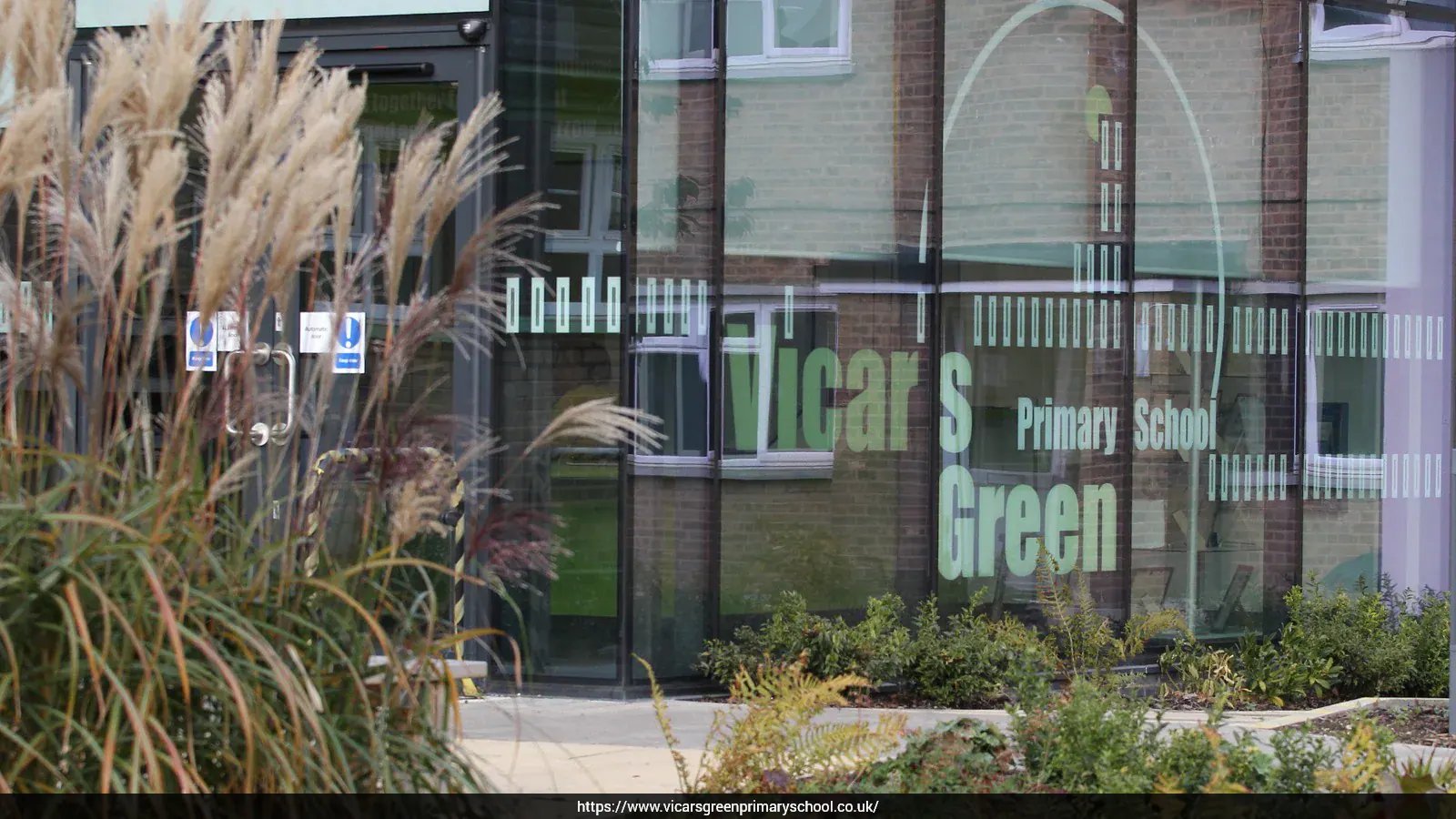
LONDON — The father of a nine-year-old British Hindu boy has dragged Vicar's Green Primary School to the UK High Court, demanding £25,000 in damages after administrators barred the child from wearing a sacred forehead mark to class.
The lawsuit accuses the West London school's governing body of unlawful religious discrimination and harassment under the Equality Act 2010 and the Human Rights Act 1998. The boy, an adherent of the Swaminarayan Hindu tradition, had worn the Tilak-Chandlo—a distinctive U-shaped sandalwood paste marking crowned with a red kumkum dot—to the school daily since 2021 without incident. That changed abruptly in late 2025. School officials cracked down.
Court filings outline a months-long campaign of isolation against the nine-year-old. School staff interrogated the boy repeatedly about his faith, stripped him of his seat on the School Council, and barred him from routine extracurricular activities. Administrators then told the parents to pull their son from the rolls and enroll him in a specialized faith school if they insisted on maintaining the religious mark. Distressed and anxious, the boy withdrew from the school entirely.
Vicar's Green Primary School denies the charges. School authorities insist they acted with sensitivity, rejected allegations of religious bias, and claimed staff offered reasonable alternatives to the family during administrative consultations.
The legal challenge, backed by advocacy group Action for Harmony and litigated by Ashray Law, has struck a raw nerve across the United Kingdom's diaspora of more than one million Hindus.
"This case goes beyond one child or one school," said Ambrish Limbachia, director at Ashray Law. "It raises important questions about religious freedom and equality in British education. No child should feel compelled to choose between their faith and their education."
Nitin Palan, head of Action for Harmony, emphasized that mainstream British classrooms must protect basic religious observance: "Every child in Britain deserves to feel respected and free to practise their faith. This case is about promoting fairness, not division."
No judicial ruling has been issued, and the case remains sub judice as the UK High Court prepares to schedule preliminary arguments on statutory religious protections in state education.