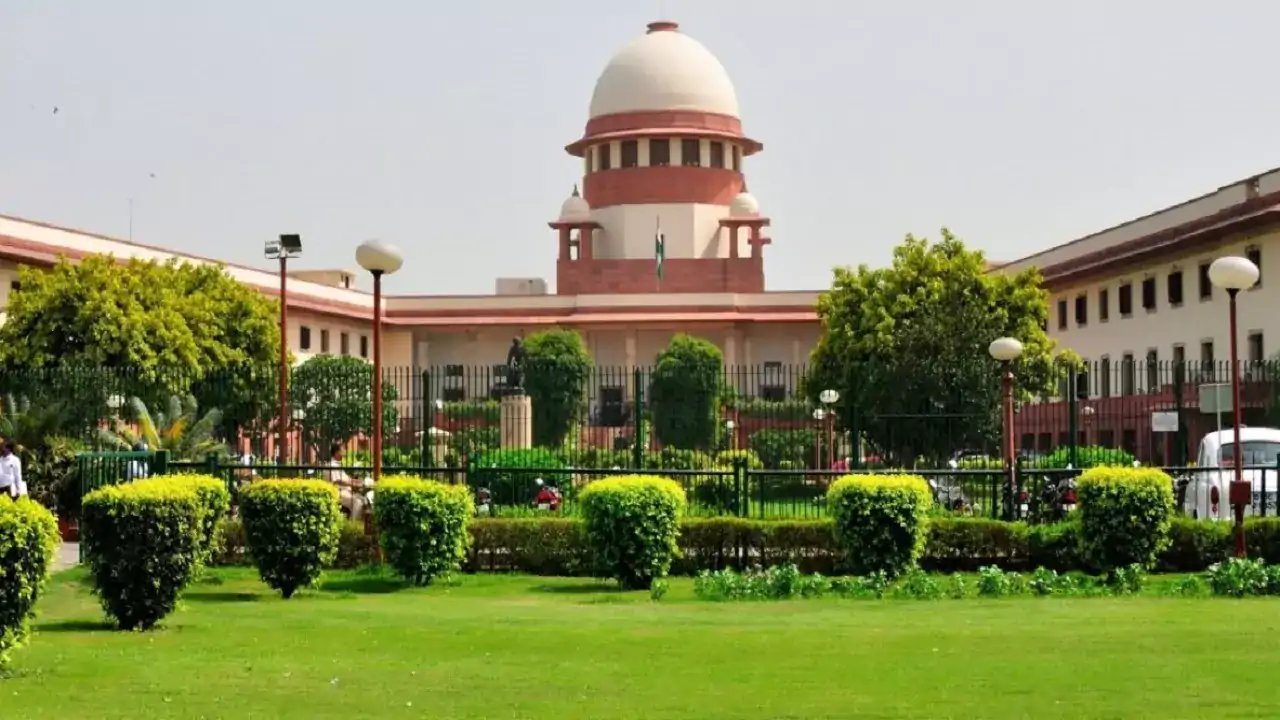
The Supreme Court has ordered the Union Government to select five cities across India for a pilot program dedicated to creating safe, demarcated walking spaces. Justices P S Narasimha and Alok Aradhe issued the directive on Monday, demanding that the Centre identify a specific central authority empowered with the necessary funds, infrastructure, and manpower to enforce these standards.
This marks a tangible step in the court's June 19 ruling, which declared the right to walk on a footpath as a fundamental right under Part III of the Constitution. The bench emphasized that this right takes priority over motorized vehicle movement and stems from an unfortunate motor accident case where a father lost his five-year-old son. "The authority should have the funds, staff (and) infrastructure," the bench told Additional Solicitor General K M Nataraj, who appeared for the Centre.
Nataraj indicated he would apprise the bench of the government's plan, but the court left no room for ambiguity regarding the implementation mechanism. "Which will be that centralised authority, you tell us," the judges stated, insisting on a clear administrative structure rather than vague commitments. The court had previously directed all states and Union Territories to respond on their implementation strategies, but this Monday's order focuses on a centralized national pilot to set the benchmark.
The legal basis for this intervention is anchored in Article 19(1)(d) and Article 21 of the Constitution, which the court interpreted to include the right to movement as encompassing the right to safe pedestrian infrastructure. The case, titled "In Re: Fundamental Right to Walk and Footpath," now involves the ministries of Housing and Urban Affairs, Rural Development, and Road Transport and Highways as key parties.
The matter has been posted for hearing after three weeks. Until then, the Centre must finalize the selection of the five pilot cities and the designated authority, a deadline that puts immediate pressure on bureaucratic coordination to address a long-ignored urban planning failure.