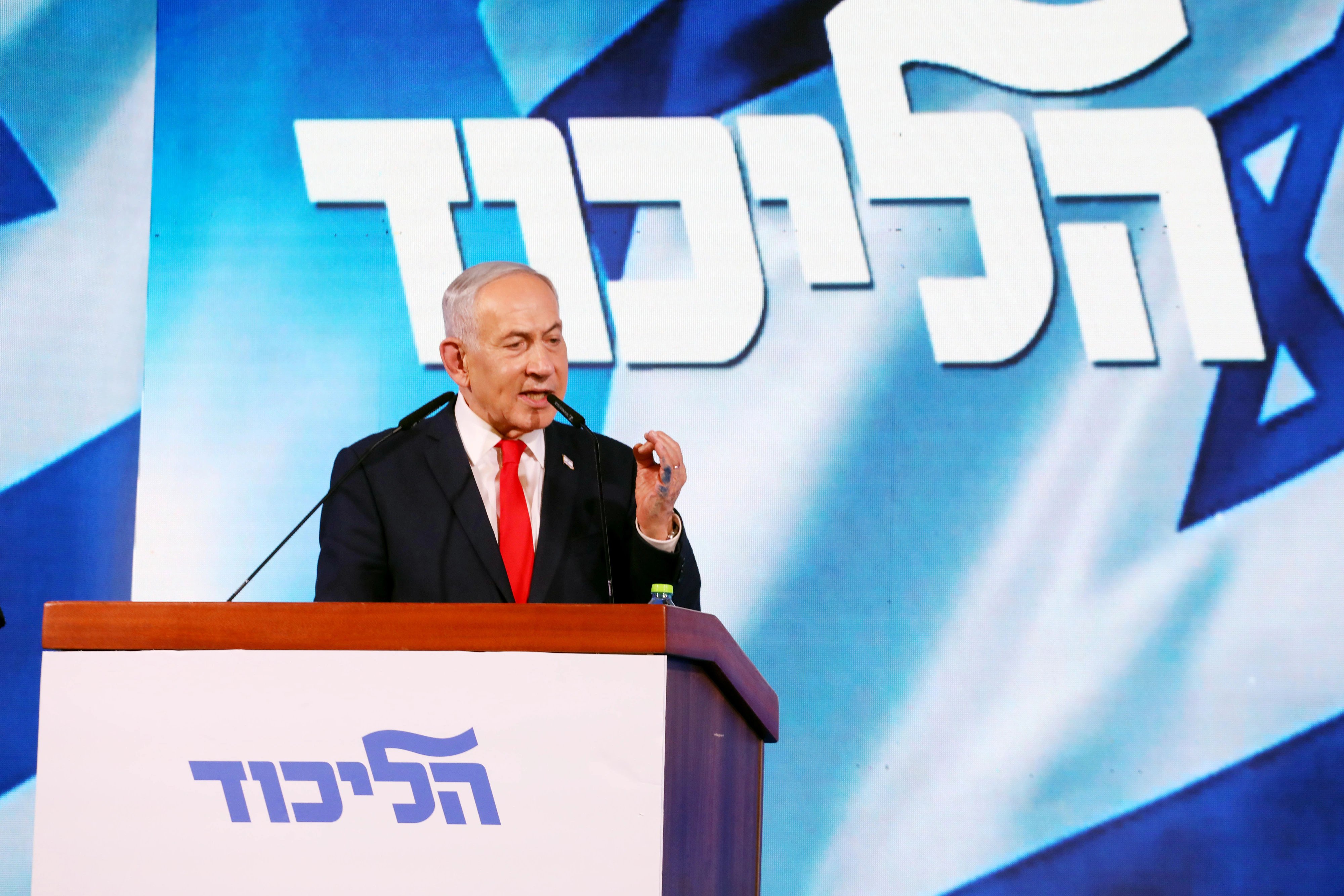
Israel’s October 27 parliamentary election ended with Likud securing 53 of 120 seats, a drop from the 68 it held before the vote. The opposition bloc led by former army chief Gadi Eisenkot captured 48 seats, while a record 19 seats went to Arab‑led parties.
Turnout hit 78.5%, the highest since the 2009 election, reflecting a populace still reeling from the October 7 Hamas attack and the ensuing Gaza war. The loss of 15 seats for Likud signals a palpable shift in voter sentiment, even as the party remains the largest.
Netanyahu will likely remain as caretaker prime minister while President Isaac Herzog summons all party leaders to negotiate a coalition. If no majority emerges after several rounds of talks, the Knesset will dissolve and a fresh election will be scheduled.
The political impasse reverberates beyond Israel’s borders. A new government could alter Israel’s hard‑line stance on Iran and Hamas, affecting regional stability and potentially reshaping defence and technology deals that India has been cultivating with Israel since Prime Minister Narendra Modi’s 2026 visit. Meanwhile, the ongoing uncertainty leaves the Knesset’s security decisions in Netanyahu’s hands, a situation that could influence both domestic policy and international alliances.