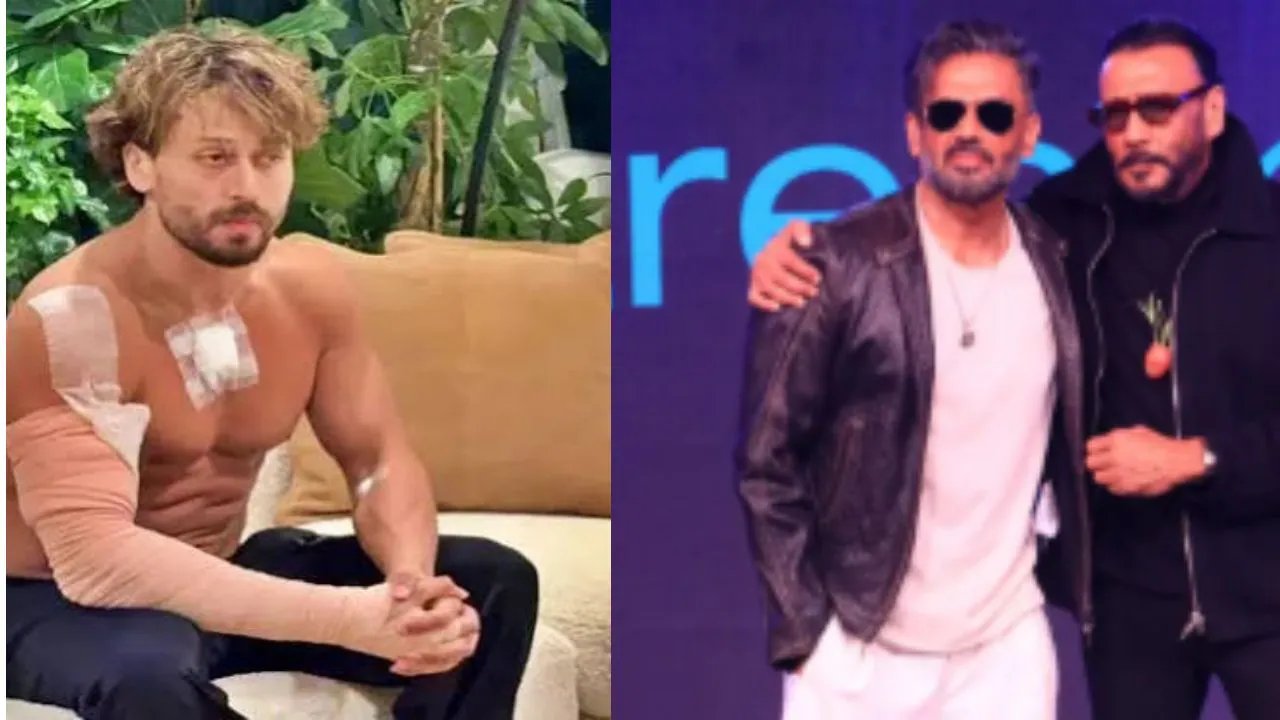
Suniel Shetty, who grew up on the same block as Jackie Dada, burst into a mix of relief and fury when the Mumbai shooting hit the headlines. He said, “The whole world loves Tiger and Jackie Dada, and if something like this can happen to them, it could happen to anyone.”
At around 7 pm on Sunday, a burst of three gunshots rattled the streets of Juhu as Tiger Shroff’s car made its way out of the football club. Deputy Commissioner Mohit Garg confirmed that the actor was unharmed, but his driver sustained a bullet injury while an auto driver was also hurt. The gunfire was described by witnesses as “close‑quarters,” turning a routine night into a nightmare.
The Federation of Western India Cine Employees (FWICE) slammed the attack, labeling it “completely unacceptable” and demanding urgent action. They pointed out that this is the second violent episode targeting a high‑profile star, following the earlier incident involving filmmaker Rohit Shetty. AICWA’s president, Suresh Shyamlal Gupta, even penned a letter to Union Home Minister Amit Shah calling for comprehensive security.
In a show of solidarity, Maharashtra’s Deputy Chief Minister Eknath Shinde dropped by Tiger’s residence that night, offering reassurance and a pledge of state support. Shinde’s visit was a reminder that the incident has crossed the boundary of entertainment into political concern.
With fans rallying on social media and industry bodies demanding change, the spotlight now falls on how Mumbai’s film fraternity will protect its stars. Suniel’s words echo a broader sentiment: safety is not a luxury but a baseline right for anyone in the limelight.