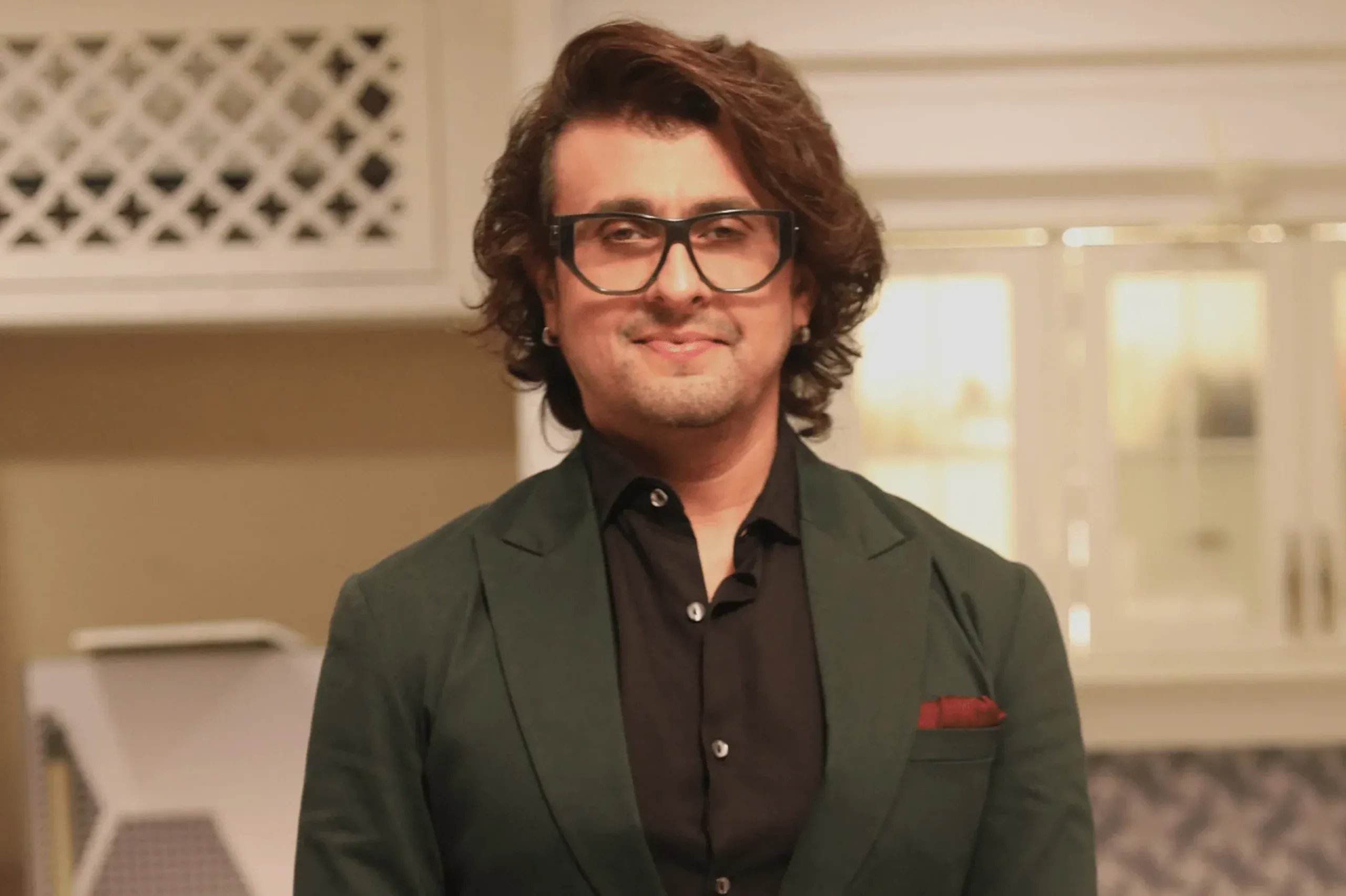
In a quiet video that feels more like a confession than a press release, Sonu Nigam says he’s ready to say sorry a thousand times if it keeps the bond with Kannadigas intact. He speaks in Kannada, the very language that sparked the rift, and the words echo through the city’s airwaves like a plea from the heart.
The storm began in April 2025, when the veteran singer was on stage at East Point College, Bengaluru. An eager student asked him to perform a Kannada hit, and Nigam’s reply—“The best songs I’ve sung are in Kannada… I didn’t like it when a boy asked me to sing in Kannada. He was so rudely threatening, ‘Kannada, Kannada.’ This is the reason for the Pahalgam attack”—broke a fragile silence. The comment tied a historical tragedy to a simple request, and the backlash hit Karnataka like a thunderclap.
Enter KRV, the pro‑Kannada group that turned the incident into a political flashpoint. Their state president, TA Narayana Gowda, demanded that the Bengaluru City Police Commissioner deny permission for the concert and warned of statewide protests if the show proceeded. The threat was clear: the city’s music scene would be put on hold if the singer’s apology didn’t come.
Now, the stage is set again. On Oct 24, Nigam will headline the Revolution India Tour at the Bhartiya Mall, Thanisandra Main Road. Tickets are already flying off the shelves, and fans are buzzing about whether the singer’s public contrition will silence the critics or merely settle the score for the moment.
What this means, beyond the immediate headline, is that music can be a bridge or a battleground. Nigam’s willingness to apologize a thousand times shows a rare humility in an industry that thrives on ego. For the audience, it’s a reminder that the power of a song often lies in the respect it earns from the people who sing it.