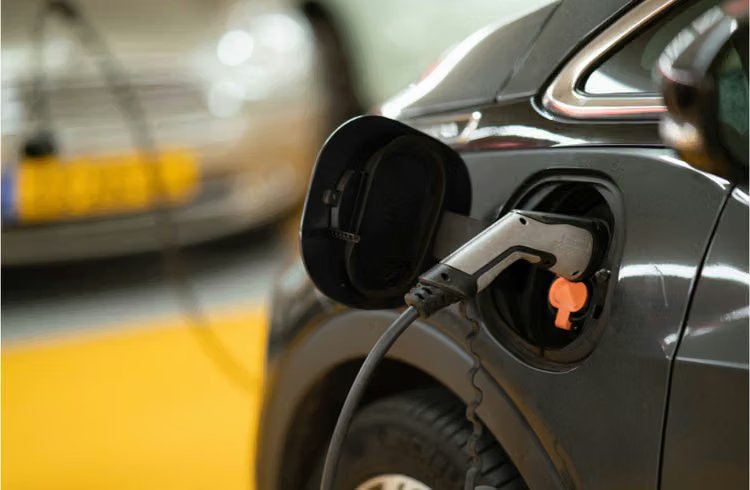
India's new CAFE III framework, effective April 1, 2027, assigns battery electric vehicles a 3.0 credit multiplier, meaning an EV counts as three conventional cars in the fleet‑efficiency calculation. The uptick is a clear incentive for manufacturers to stack more EVs on their lineup, which could translate to a wider array of options for buyers.
For the first time, plug‑in hybrids and strong hybrids get 2.5, while conventional strong hybrids receive 1.6 and flex‑fuel ethanol models only 1.1. That spread nudges players like Tata Motors, Mahindra & Mahindra, and Hyundai to push harder on electric and hybrid variants, while firms such as Maruti Suzuki and Toyota still lean on strong hybrids to meet the quota.
The rule works on a fleet‑level basis, so the weight of each model matters. Manufacturers with a heavy, fuel‑inefficient line‑up will feel the pinch, whereas those already leaning into lighter, low‑mileage vehicles will see a smoothed path to compliance. For buyers, this could mean a shift in pricing dynamics as automakers offset higher‑fuel models with cheaper EVs.
The legislation also removes the small‑car concession that had been proposed, tightening the overall target curve. From 3.996 L/100 km in FY28 to 3.3273 L/100 km in FY32 for a reference fleet, the numbers translate to roughly 94.8 g CO2/km down to 78.9 g CO2/km. That translates into a tighter market for high‑fuel‑consumption models, encouraging buyers to look at the newer, greener alternatives.
Manufacturers will have to reassess their product mix over the next five years, and buyers should watch how pricing evolves as the industry rebalances. The rules take effect in April 2027, giving automakers a clear deadline to adjust before the next compliance window opens.