For a buyer eyeing the next electric sedan, the news isn’t about a shiny new model but about the hidden hand that keeps the battery and infotainment humming. When a supplier can place 800,000 components in an hour, the risk of a missed shipment drops, and the price of the final chassis can stay lean.
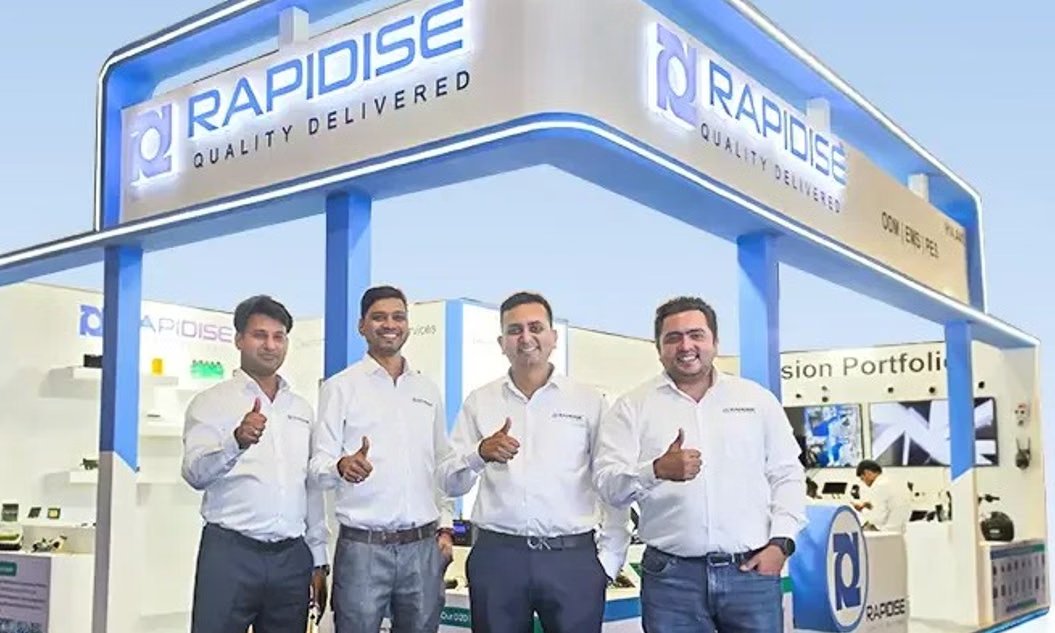
Rapidise’s Manesar move is a 120,000‑sq‑ft addition to its existing 40,000‑sq‑ft plant, backed by a ₹200 crore spend. The new floor will host up to ten Surface Mount Technology lines, boosting its total placement capacity to roughly 800,000 components per hour. The company also plans to create around 1,000 direct and indirect jobs by FY27.
The expansion isn’t just an expansion of square footage; it’s a leap into more complex projects. Rapidise already shuttles parts to automotive, telecom, and consumer electronics clients, but the new capacity will let it take on bigger OEM programmes and branch into AI hardware, networking, defence, and railways. In short, the plant will become a one‑stop shop for the next wave of electrified and connected vehicles.
India’s EV mandate is setting a hard target of 30% electric sales by 2030, and the government has been tightening duties on imported electronics to encourage localisation. With Rapidise’s new lines, Indian carmakers can source high‑density PCB assemblies domestically, cutting both lead times and import costs. The ripple effect could be a smoother rollout of next‑gen EVs and a more resilient supply chain.
The rollout will roll out in phases, with the new 120,000‑sq‑ft building slated for completion by FY27. By that time, Rapidise will have ten fresh SMT lines online, allowing it to service larger contracts. Buyers should watch the supply schedules of upcoming models that list Rapidise as a component supplier – a clear signal that the next generation of EVs will have a sturdier electronics backbone.
What to watch next: keep an eye on Rapidise’s public filings for when the new lines go live, and track which OEMs announce new EVs that list Rapidise components. The expansion could also prompt competitors, like Foxconn or Bosch, to push back with faster, cheaper lines, reshaping the automotive electronics landscape.