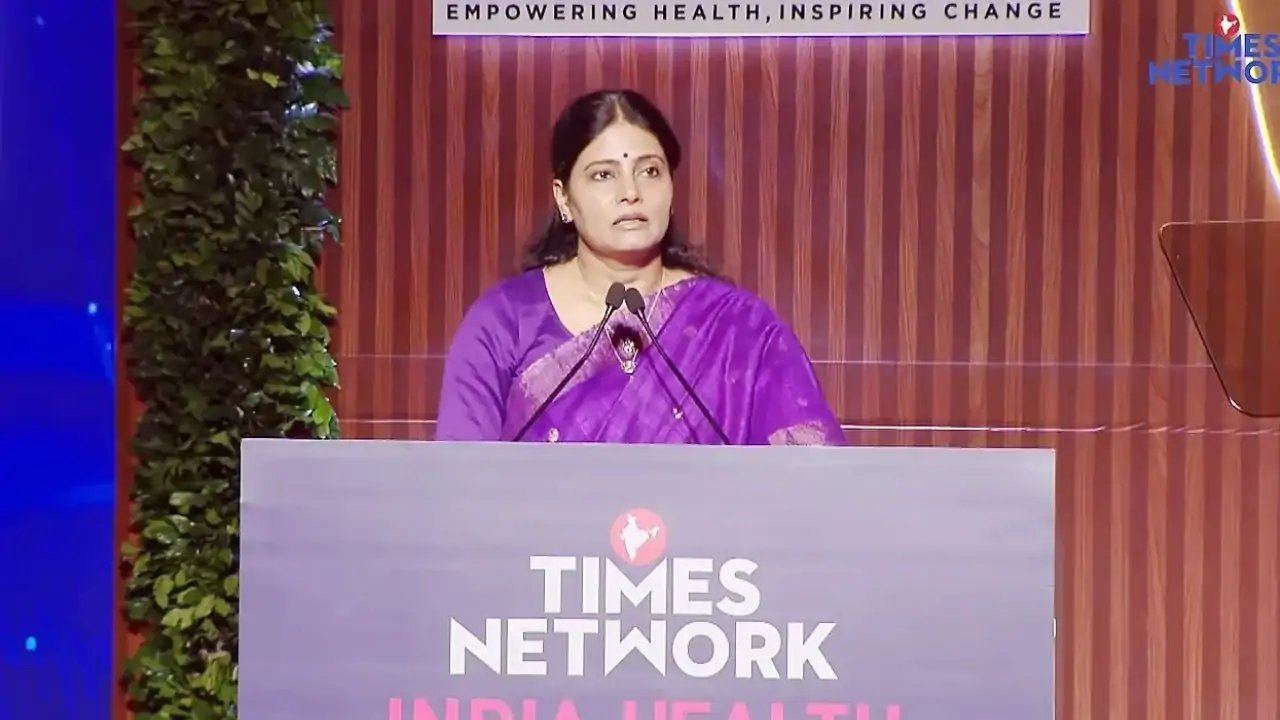
Patient pressure on AIIMS Delhi remains severe, with the apex referral centre logging approximately 15,000 daily visits. Union Minister of State for Health and Family Welfare Anupriya Patel addressed the Times Network India Health Summit and Awards 2026 to outline a structural fix: the expansion of the AIIMS network to 23 institutes. The goal is blunt. Every state must have at least one AIIMS. Uttar Patel’s home state of Uttar Pradesh already leads with two, at Gorakhpur and Rae Bareli, while AIIMS Delhi mentors newer centres to replicate its clinical standards.
Medicines drive out-of-pocket spending. Patel cited the Jan Aushadhi project and new Amrit Pharmacies in tertiary care institutions, where generics, implants, and surgical consumables cost up to 80% less than market rates. Families managing chronic illnesses feel this relief immediately. The 2026 budget reinforced this by exempting basic customs duties on anti-cancer drugs and cutting tariffs on rare disease treatments.
Technology is shifting from pilot projects to scale. AI now powers the e-Sanjeevani telemedicine network, enabling patients at Ayushman Arogya Mandirs to consult specialists remotely. It also scans media platforms for early disease outbreak signals and aids the TB-Mukt Bharat campaign in locating undetected cases. Researchers use these same tools to discover new drug molecules.
The third edition of the summit, themed “The Blueprint for a Future-Ready Healthcare Ecosystem,” convened policymakers and industry leaders to finalize these implementation strategies. The next phase involves state-level rollout of the Amrit Pharmacy model and full integration of AI diagnostics into primary health centres.