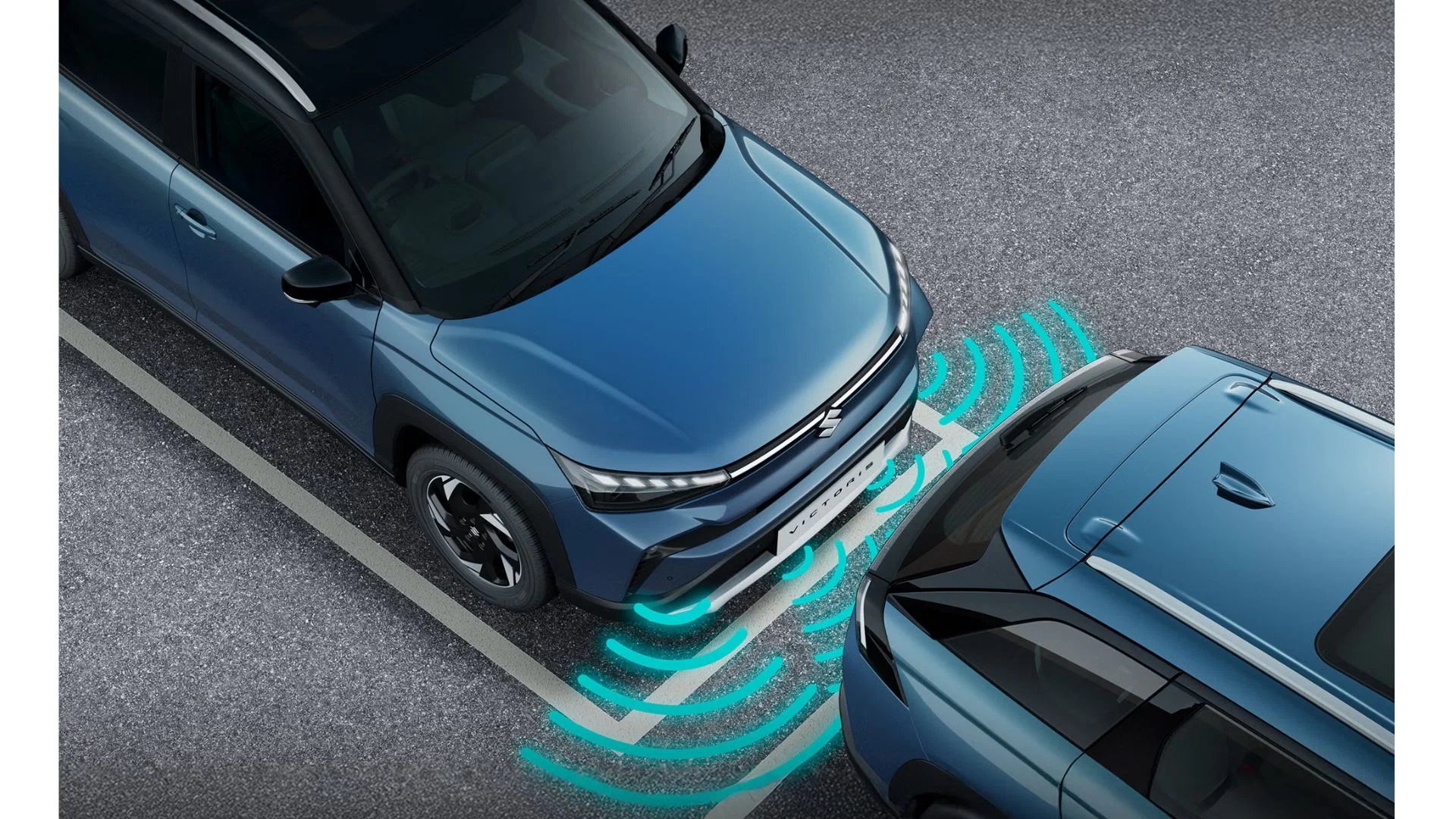
Suzuki is positioning its next‑generation fleet to come equipped with automatic emergency braking, lane‑departure warning and driver‑monitoring as standard, a shift from the current luxury‑only strategy.
The move comes after a stark reminder that 177,000 people lose their lives on Indian roads each year. By making ADAS a baseline, Suzuki hopes to curb crashes in the very segment that sells the most cars.
Under the hood, the company is swapping the pricey front radar for high‑resolution cameras and in‑vehicle AI chips. The new controller is projected to be 30% cheaper and 15% lighter than today’s models.
Suzuki calls this architecture the SDV Right system, which bundles communication, power distribution and body‑control into a single Central Zone ECU. It’s a move that could shave weight, cut costs and streamline software updates.
The upgraded safety suite isn’t just a tech facelift. It could put Maruti’s Alto, Swift and even the upcoming S-Cross on a competitive footing with rivals like Hyundai Kona and Tata Nexon EV, all while keeping prices in the affordable range.
There’s no concrete rollout date yet, but industry chatter suggests that the first wave of models could hit showrooms by late 2025 or early 2026. Buyers should keep an eye on test‑track data and official launch announcements for the next few months.