The last exchange of fire between Tehran and Israel dates back to February 28, when a joint Israeli‑U.S. strike on the Iranian embassy in Damascus triggered a barrage of missiles that struck Israeli targets and Gulf states. Since June, however, neither side has opened fire again, a fragile calm that Netanyahu hopes to preserve.
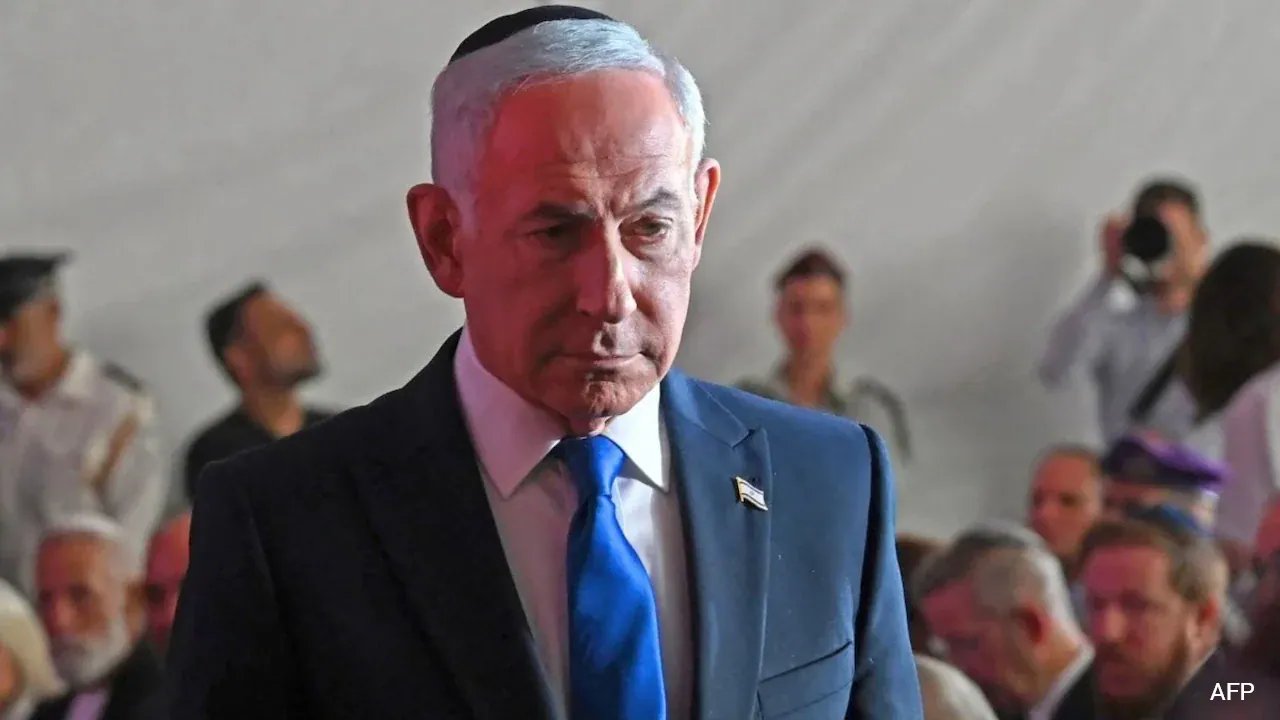
During a late‑night interview with Army Radio, Netanyahu said he would not order a pre‑emptive strike before the October 27 election, a claim that counters accusations from his political rivals that he is courting war to boost his poll standing. "Even if Iran fires missiles at us, they will blame me," he warned, underscoring that Israel would respond forcefully if attacked.
When asked about Israel's role in the Saudi‑Houthi conflict, Netanyahu declined to comment, but said the Middle East's growing reliance on Israel follows its recent military successes. The week before the interview, a Houthi missile hit Riyadh airport, killing 13 people, a stark reminder of the region's volatility.
Defence Minister Israel Katz, speaking from the southern Lebanese front, warned Hezbollah that an attack would trigger a severe blow to the group's stronghold in Beirut and lead to the displacement of a million Shiites. He said the IDF was prepared to expand a permanent security zone covering the Nabatieh and Litani regions, a move that would further uproot Lebanon's southern population.
Netanyahu did not elaborate on post‑election plans or his recent talks with Washington about Iran, leaving the international community to speculate how the United States might influence Israel's strategy. The country’s general election on October 27 will test whether the electorate favors a hard‑line approach or seeks a diplomatic path forward.