Ambassador Xie Feng drew the map. In an op-ed for the Communist Party’s People’s Daily, he listed four specific lines Beijing will not let Washington cross: Taiwan, democracy and human rights, China’s development path, and its development rights. It’s a blunt message. “Sovereignty, security, and development interests cannot be violated,” Xie wrote, demanding an end to US accusations of forced labor or economic imbalance.
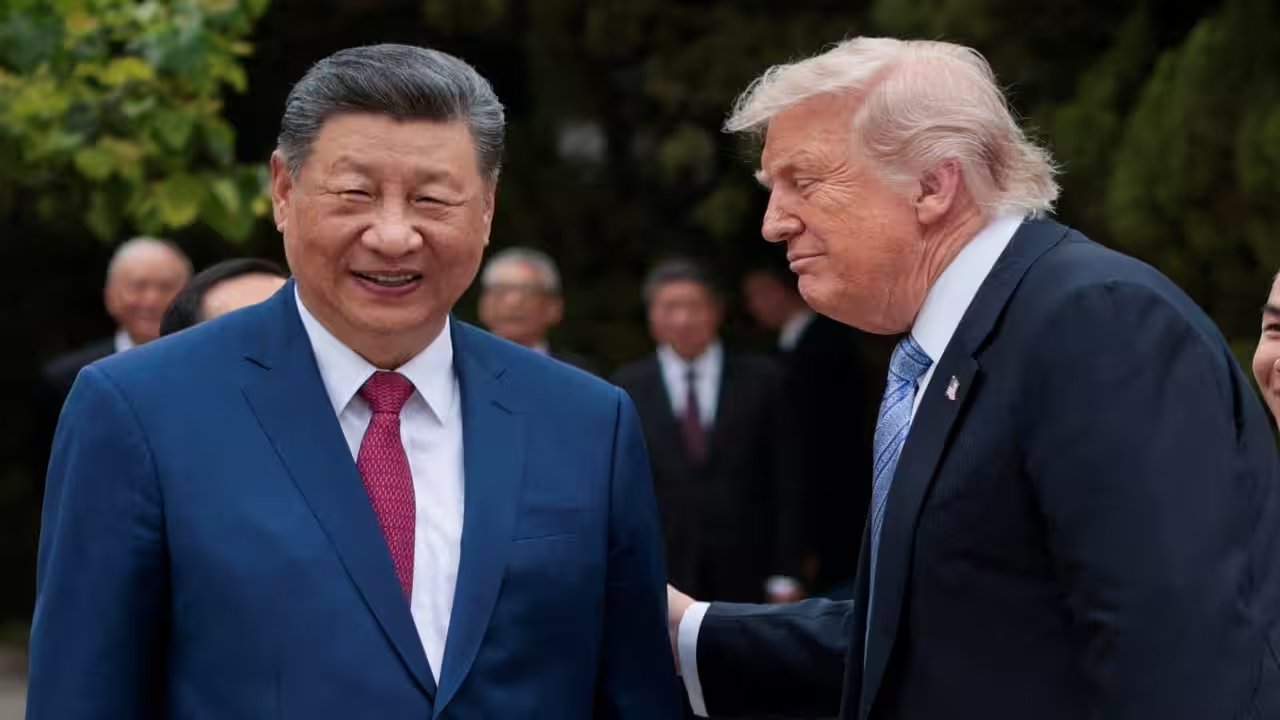
The stakes for this visit are anything but ceremonial. Xi lands in Washington on Wednesday for his first state visit in 11 years, meeting Trump on Thursday, September 24, at the White House. The President plans a high-profile welcome, including a personal greeting at Joint Base Andrews and a military flyover. But inside the Senate, the mood is colder. Roger Wicker, chairman of the Senate Armed Services Committee, publicly advised against such a “lavish welcome,” arguing the current disagreements between the two powers make the gesture inappropriate.
Taiwan remains the fuse. A separate commentary in the People’s Daily described the island issue as the “guardrail and safety net” for US-China relations, urging “utmost caution.” Beijing is already preparing to block a proposed US arms sale to Taiwan worth approximately $11 billion. That package is currently awaiting Trump’s signature. If Xi raises objections during Thursday’s talks, the President faces a choice between honoring the diplomatic protocol or standing firm with Congress.
The next 72 hours will test the “constructive and strategically stable” relationship both leaders claimed to value during their May summit in Beijing. If the $11 billion sale proceeds despite Beijing’s outcry, it signals a hardening of US policy. For now, the world watches the state dinner arrangements while diplomats scramble to keep the temperature down.