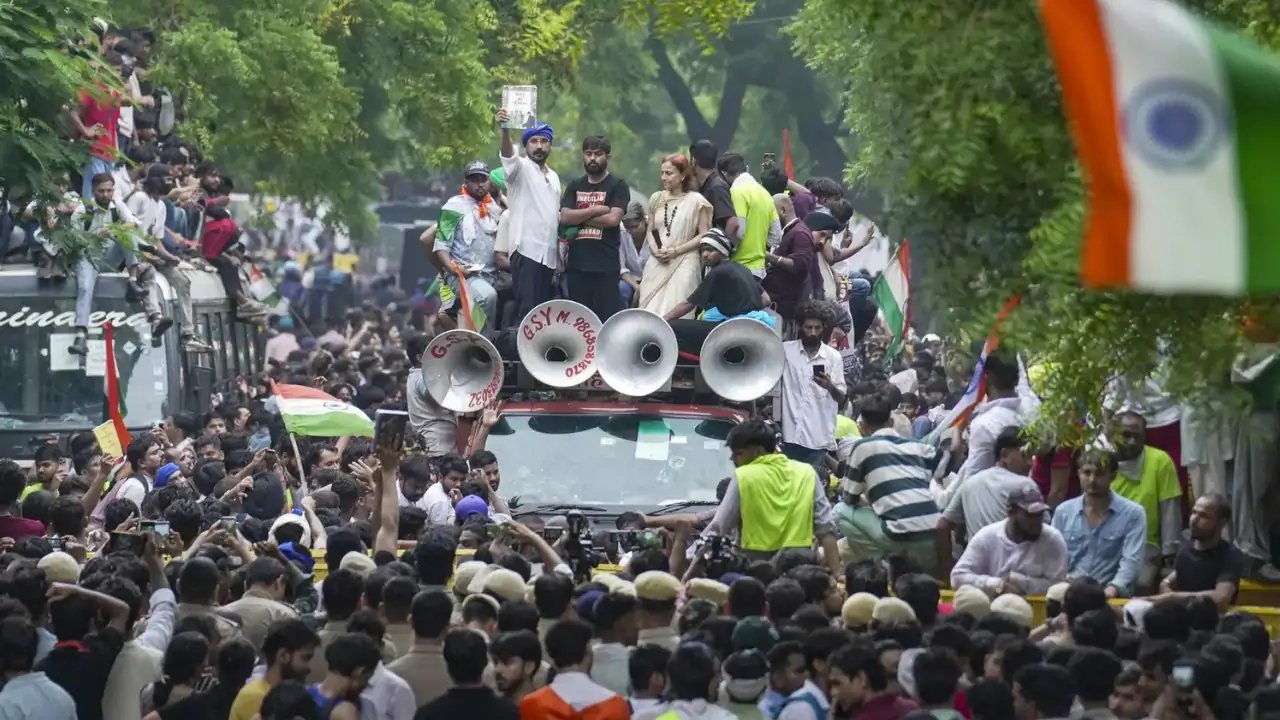
Delhi Police issued a series of notices to Meta on the back‑of‑the‑queue of the July 20‑25 protests, demanding the identities of several creators who posted coverage of the demonstrators. The notices arrived without reference to any specific legal provision, FIR number, or officer name, leaving Meta and the creators baffled.
Meta’s response has been a mix of compliance and opacity. The company removed or restricted dozens of reels and posts, citing “legal requirements” that were never disclosed. A handful of accounts were even withheld entirely from India, forcing users to contact customer support for clarification.
The Internet Freedom Foundation (IFF) has taken up the case, pointing to a pattern of content removal that includes videos documenting police action and alleged injuries. IFF says that the Delhi Police’s earlier request to X for accounts posting “derogatory, malicious and defamatory” material about Prime Minister Narendra Modi shows a broader strategy of silencing dissent.
Legal context thickens with the Supreme Court’s September 1, 2026 order that quashed 13 FIRs filed in Delhi over the protests. The Court also directed that other FIRs concerning the same incidents should not be pursued, effectively nullifying the police’s legal footing for the current notices.
In response, IFF has demanded that Delhi Police withdraw the notices, disclose the FIR details, and provide Meta with copies of the legal processes. It has urged the Ministry of Home Affairs and the Ministry of Electronics & IT to publish all notices related to protest content.
The next round of action will likely involve a court hearing on whether the police requests can stand without the Supreme Court’s backing, while Meta faces mounting pressure from civil‑rights groups to disclose the exact legal grounds for its content takedowns. A displaced student in Delhi, whose Instagram reel showing protest lines was removed, is waiting for the outcome, hoping the court will restore her voice.