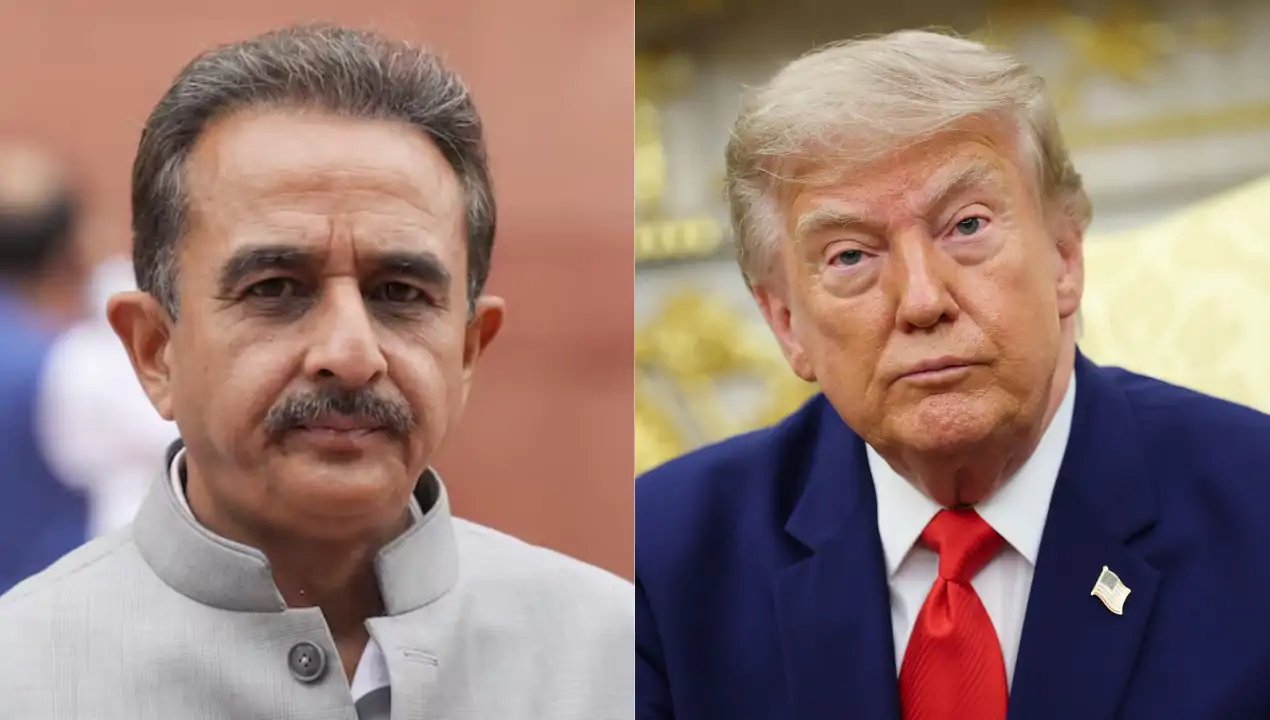
Kirti Vardhan Singh told reporters that after President Donald Trump signed the Sanctioning Russia and Iran Act, India will source energy from wherever it finds commercially viable options. The legislation authorises tariffs of up to 100 per cent on goods from countries that meet conditions linked to Russian‑origin crude oil or natural gas, directly targeting major buyers like China and India.
India is among the world’s largest purchasers of Russian crude, making the Act’s potential impact acute. Singh warned that the unilateral tariffs are unfair and that New Delhi will not operate under external pressure. The ministry emphasised that energy remains a top concern and that the government will take decisive steps to protect public interests.
Economists point out that shifting supply chains could cost billions of rupees and destabilise domestic fuel prices. Beijing, on the other hand, has already warned of retaliatory measures, raising regional tensions. The Act also signals a broader U.S. strategy to curb Russian influence in energy markets, which could ripple across global trade routes.
New Delhi has set up a monitoring task force to assess the Act’s impact on imports and domestic markets. The ministry said it will engage with multilateral partners to reinforce trade stability and explore alternative suppliers. A congressional hearing is slated for early next month to discuss potential counter‑sanctions and diplomatic outreach.