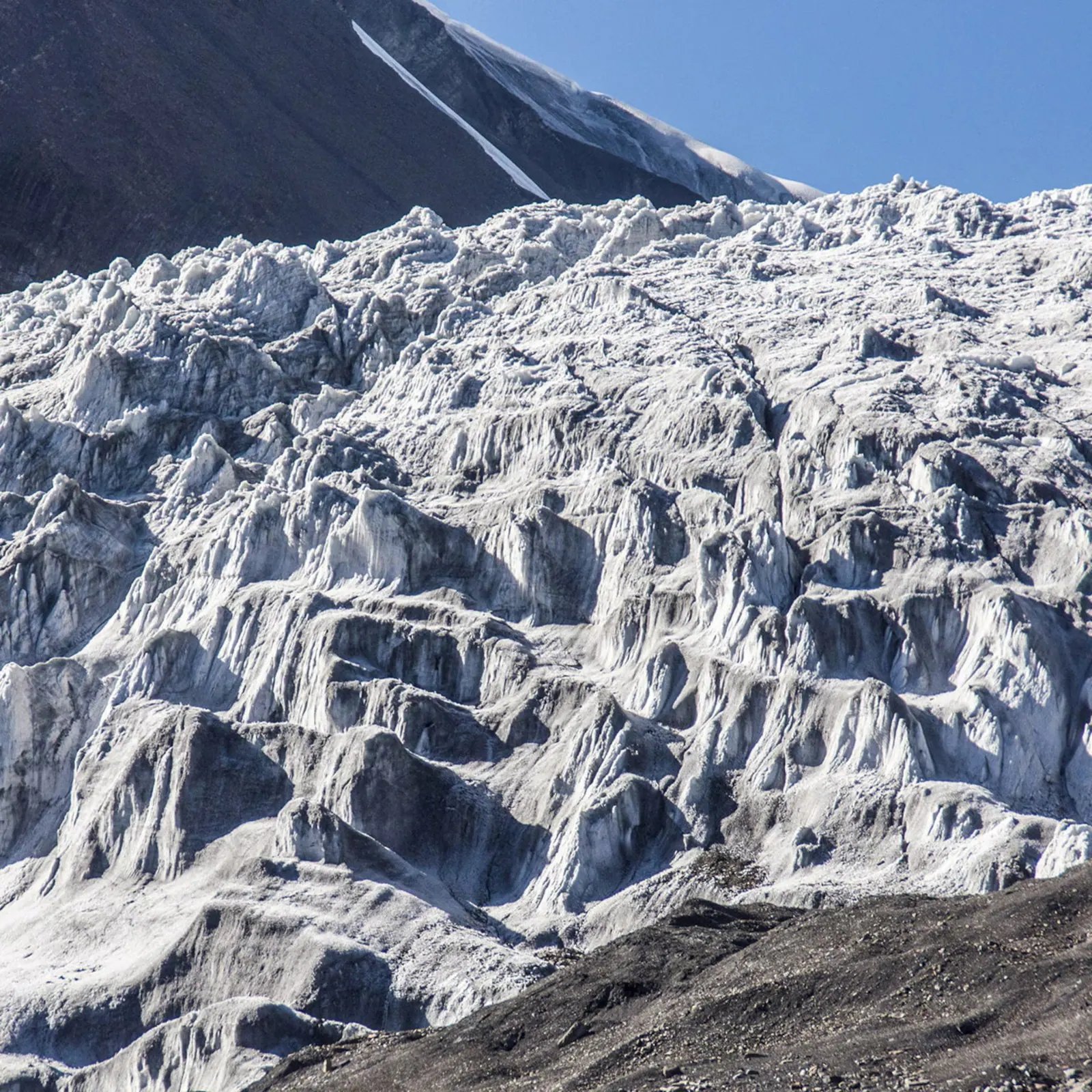
Wadia Institute scientists Jyoti Kumari, Girish Chandra Kothiyari, Atul Kumar Patidar and Manish Mehta released a study on 23 Uttarakhand glaciers on 1 May 2026. They found melt rates ranging from 6.8 to 38 m per year, with some glaciers retreating faster than others.
The report highlights that the Shankulpa glacier in Pithoragarh has receded 518 m over seven decades, while the Bandarpunch glacier in Uttarkashi shed 25.51 m per year during its 39‑year record. Researchers attribute the accelerated melt to rising temperatures and the glaciers' morphological features, such as slope and debris cover.
The study was published days after Nepal's deadly flood that killed over 1,400 people, underscoring the urgency of glacial risk. "We are alarmed by the rapid retreat," said Jyoti Kumari. The flood was linked to a glacier's sudden melt, illustrating the downstream danger that the Ganga and other major rivers depend upon.
The findings will be presented to the Ministry of Environment and Disaster Management on 12 June, where officials are expected to announce a task force to monitor glacier melt and develop mitigation strategies.
Villagers in the Bhagirathi valley rely on the glacier for irrigation and hydropower, and any further retreat could jeopardise water supply for millions in the Ganga basin.