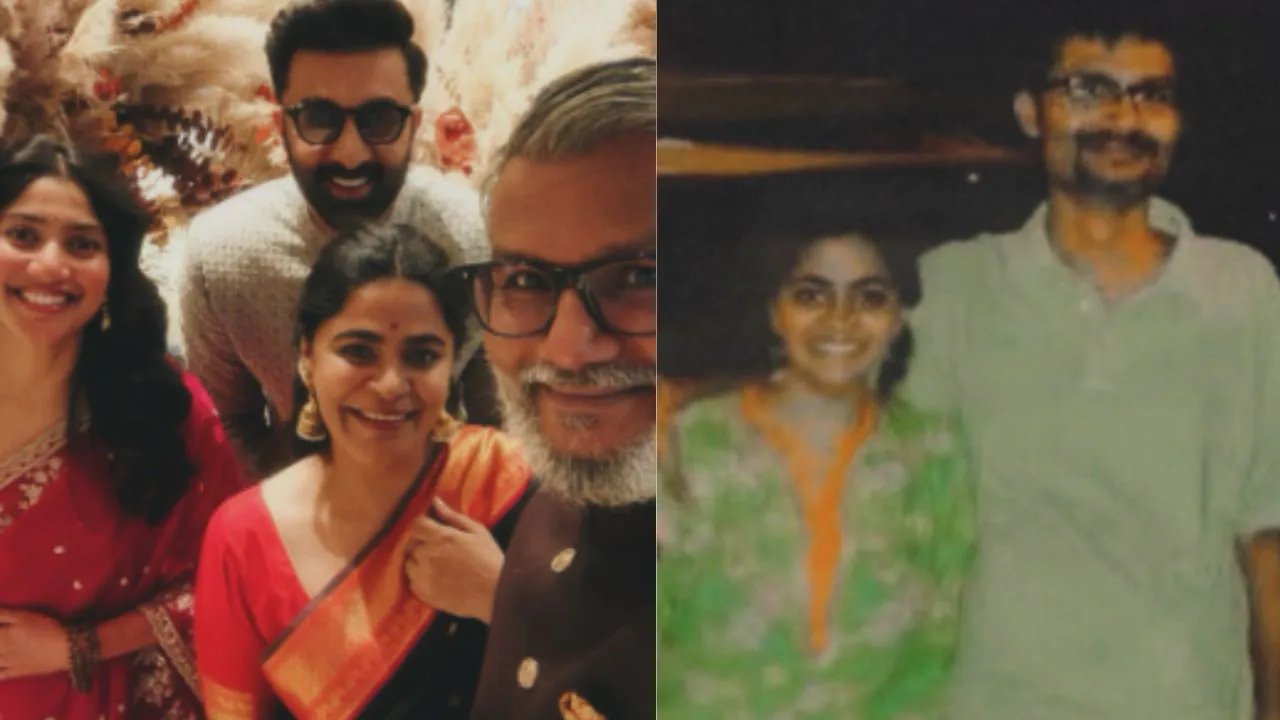
Ashwiny Iyer Tiwari, the woman who keeps Nitesh Tiwari’s creative engine humming, took to Instagram after the David Geffen Theatre screening to send a note that reads like a love letter to the craft. She called it a “journey of sacrifices, silent conversations, and the sheer will to make a dream fly.” The carousel of photos shows the Tiwari duo posing with Ranbir Kapoor and Sai Pallavi, their smiles wide enough to eclipse the Hollywood lights.
The word‑on‑screen buzz is already turning heads. One reviewer, writing under “Ramayana fans only,” called it “spectacular” and raved about Ranbir’s “sublime” performance. Another comment highlighted how the film moved a Western audience to tears, a rare feat for an Indian epic. The comments are a mix of fanboy enthusiasm and genuine praise for the film’s scale and emotional depth.
Behind the spectacle lies a staggering budget of ₹4,000 crore – roughly $500 million for both parts. Producer Namit Malhotra told Prakhar Gupta that when the project first took shape, skepticism abounded, but the team has managed to keep costs in line while still delivering a visual feast. He hinted that future releases could see the film’s budget “outpacing” even Hollywood’s biggest blockbusters.
The first part drops worldwide on November 5, 2026, lining up with the Diwali season. The second instalment is slated for Diwali 2027, turning the saga into a two‑year cinematic marathon. Fans can expect a mix of mythic storytelling, high‑octane action, and a soundtrack that will probably dominate the charts for months.
So, whether you’re in the crowd in Los Angeles or watching from your living room, Ramayana is poised to be the blockbuster that not only sets box‑office records but also redefines how Indian epics can speak to a global audience. Get ready – the story’s just getting started.