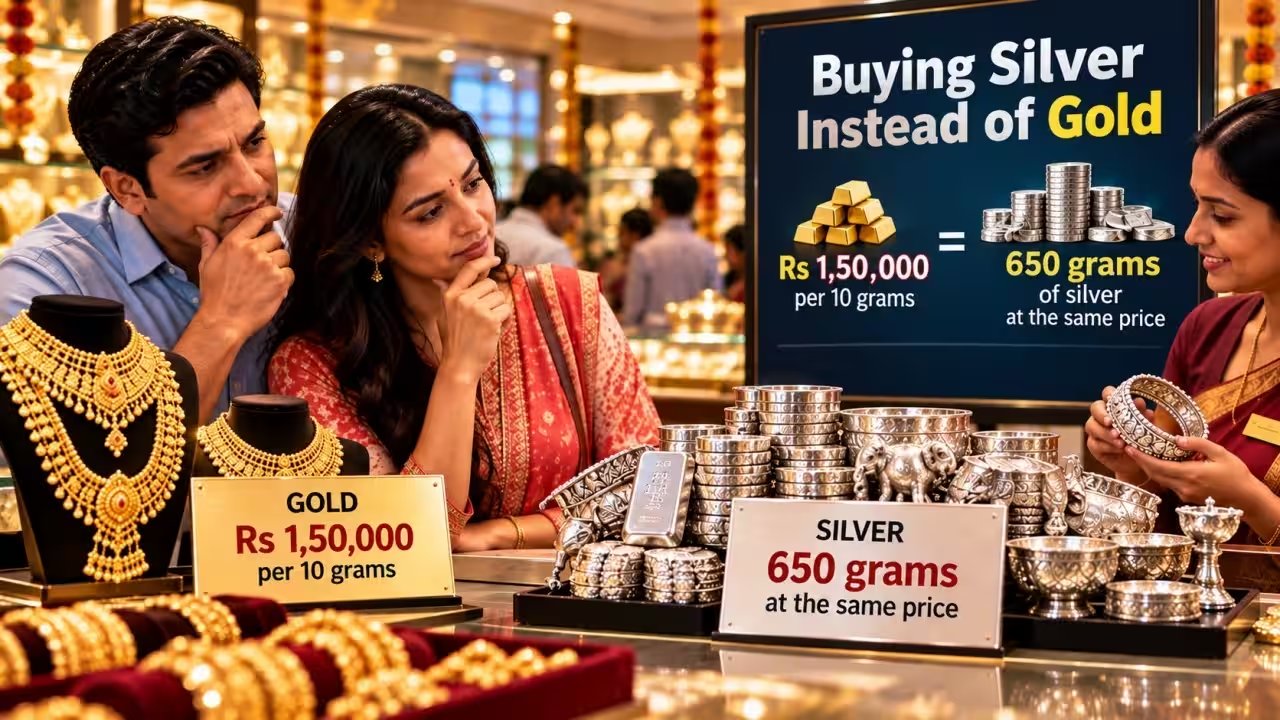
When a 10‑gram piece of 24‑carat gold costs about ₹1.5 lakh, a gram of silver tops out at ₹2,300, a price that suddenly makes the white metal a viable alternative for the middle‑class. The price gap, visible in every shop on Navratri‑opening streets, forces buyers to rethink their jewellery budget.
SN Jewellers owner Nagnesh Pachchigar says the white metal now accounts for 25‑30% of his shop’s revenue, up from 10% two years ago. “I am a third‑generation diamond jeweller based in Surat. But today, I earn more from silver than from diamonds,” he told ET.
Pachchigar projects that 40% of his annual silver sales will come in during the month‑long Diwali season that starts on October 11. “Silver is clearly the next gold,” he added, noting that the festive rush is a key driver for middle‑class families looking for affordable gifts.
Industry body GJC estimates silver buying will jump 17‑18% over last year’s Diwali period. Surendra Mehta, national secretary of the India Bullion and Jewellers Association, said the uptick follows the July 2026 relaxation of silver import limits, which lifted the cap that had been in place since May. Commerce ministry data shows imports crossed $1 billion in August, a 127% rise from the same month a year earlier.
The hallmarking fee hike to ₹75 per article, announced under the BIS (Hallmarking) Amendment Regulations, 2026, has alarmed the sector. The GJC has approached Consumer Affairs Minister Pralhad Joshi and the BIS, seeking a rollback to the previous ₹45 level. The silver fee, unchanged at ₹35, remains the only standard charge.
The next step will be a hearing by the Ministry of Commerce on September 20, where the industry will argue that the higher gold hallmarking fee could spur counterfeit stamps, especially in tier‑2 and tier‑3 cities.