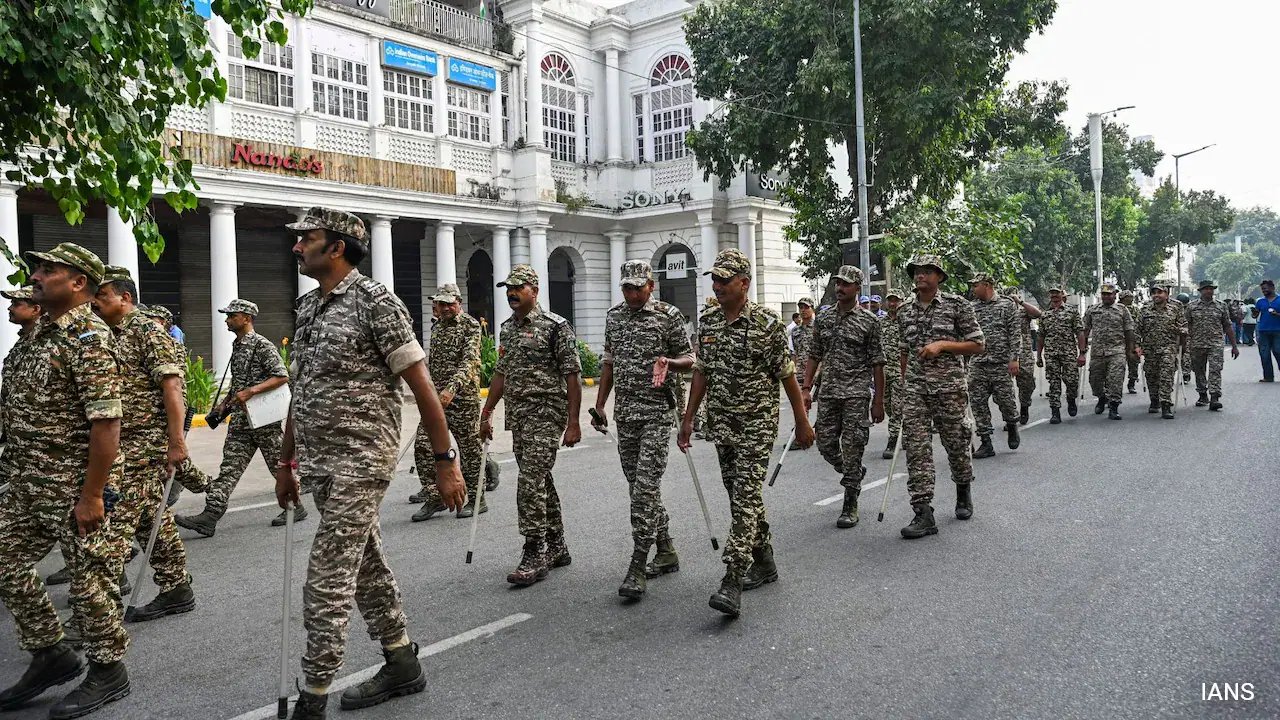
Delhi Police Commissioner Anurag Kumar filed an affidavit before the Supreme Court on 11 October defending a 4‑km radius mobile‑internet blackout imposed on 10 October in central Delhi during a Cockroach Janta Party protest. The blackout, enacted from 10 pm on 9 October to 10 pm on 10 October, limited connectivity to a 4‑km radius around Raisina Hill, affecting roughly 15 % of the city’s 303 metro stations.
The Supreme Court had earlier intervened on 9 October, directing authorities not to impose a total ban on Delhi Metro services while allowing selective regulation to maintain public order. A contempt petition was filed for alleged non‑compliance, prompting the Court to issue notices to the Centre, Delhi Police, and DMRC on 11 October.
Delhi Police argued that the protest had not received formal permission, citing violations of conditions set after the July 20 incident where 240 officers were injured and 30,000 people gathered. The police said the blackout was a proportionate response to prevent a repeat of the earlier violence.
The Centre’s counter‑affidavit reiterated that the internet restriction was necessary, taken after a request from Delhi Police, and was not a wilful violation of the Court’s directions. It also sought relief from the contempt proceedings filed against Union Home Secretary Govind Mohan.
The blackout left thousands of commuters unable to access online services, and several buses used for transporting detained protestors were vandalised, with tyre damage reported.
The Supreme Court will review the affidavits and decide whether to dismiss the contempt notices next week.