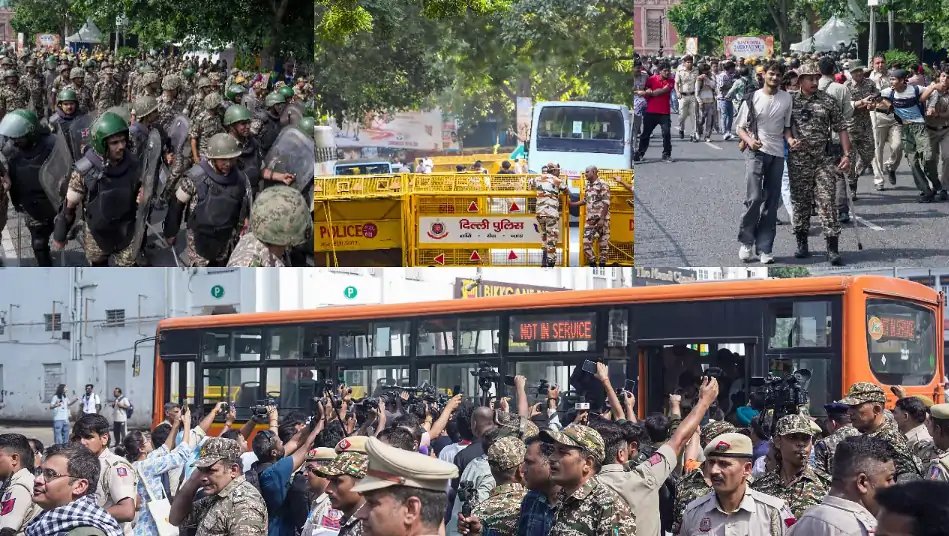
Govind Mohan, the Union Home Secretary, filed an affidavit before the Supreme Court on Wednesday night, offering an unconditional apology for the one‑day internet suspension that hit a 4‑kilometre slice of central Delhi. He called the move a "peace shield" designed to prevent disorder during the October 10 protest against the Chief Election Commissioner, Gyanesh Kumar.
The ban, which lifted all mobile data at 10 pm on October 9 and was reinstated at 10 pm on October 10, covered a radius of roughly 4 km around Raisina Hills, the seat of the Indian government. Officials said the restriction was proportionate to the situation and aimed at averting a potential unrest that could have spilled over into the heart of the capital.
The Supreme Court had earlier issued a contempt notice accusing the Home Secretary of wilfully ignoring a court order that prohibited such internet curbs. In its counter‑affidavit, the Centre denied any deliberate non‑compliance and urged the Court to discharge the notice, arguing that the temporary suspension was a lawful response to an extraordinary event.
The case has drawn mixed reactions. While some lawmakers praised the government's quick action to keep order, critics argue that the ban violated citizens’ right to stay connected during a democratic protest. The Delhi High Court had earlier warned of potential legal challenges if the restrictions were deemed arbitrary.
The Supreme Court will now review the contempt notice and, according to the Centre’s affidavit, is expected to issue a ruling that could reshape how the government can suspend internet services in future crises.