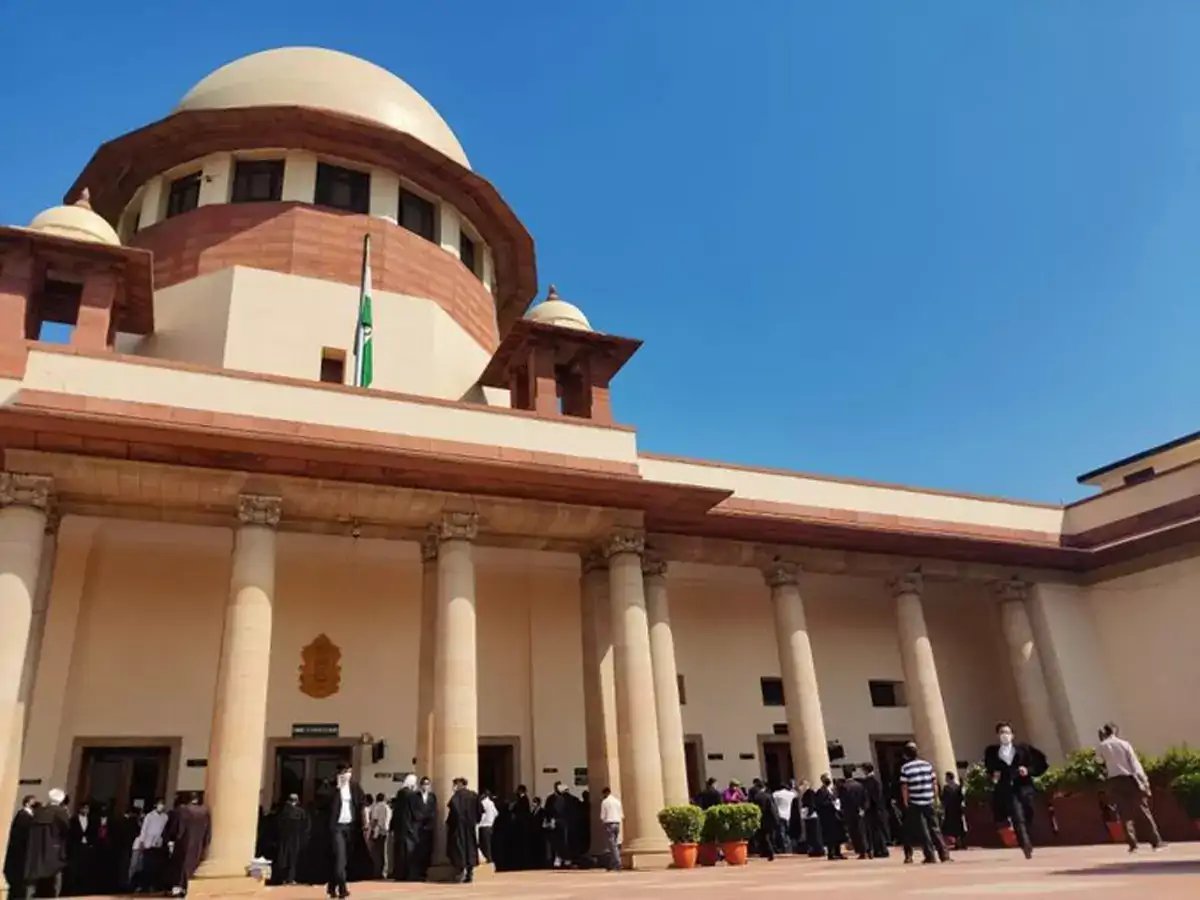
A bench chaired by Chief Justice Surya Kant and Justice Joymalya Bagchi heard the plea at 10 a.m. on Thursday, when it ordered the Centre and Delhi Police to reply within 15 days. The plea argues that no protest, dharna, demonstration or public assembly may take place in the national capital without written permission from a competent authority.
The petitioners seek a direction that organisers, call‑givers and leaders of such gatherings be held personally and/or jointly and severally liable for any loss of life, injury, or damage to public or private property, as well as for restoration costs and public expenditure incurred because of the organiser’s unlawful act or omission.
The plea also requests the authorities to designate specific sites in Delhi for protests that are located at a safe distance from densely populated, commercial and central areas. It further demands that every permit application be accompanied by an affidavit declaring the source of funds and whether any part of those funds comes from a foreign entity or an unidentified source.
A false or incomplete declaration, the petitioners say, should trigger revocation of permission, recovery of compensation and costs, and could lead to prosecution under the law. The Supreme Court’s decision will shape how Delhi’s civic space is regulated in the coming months.