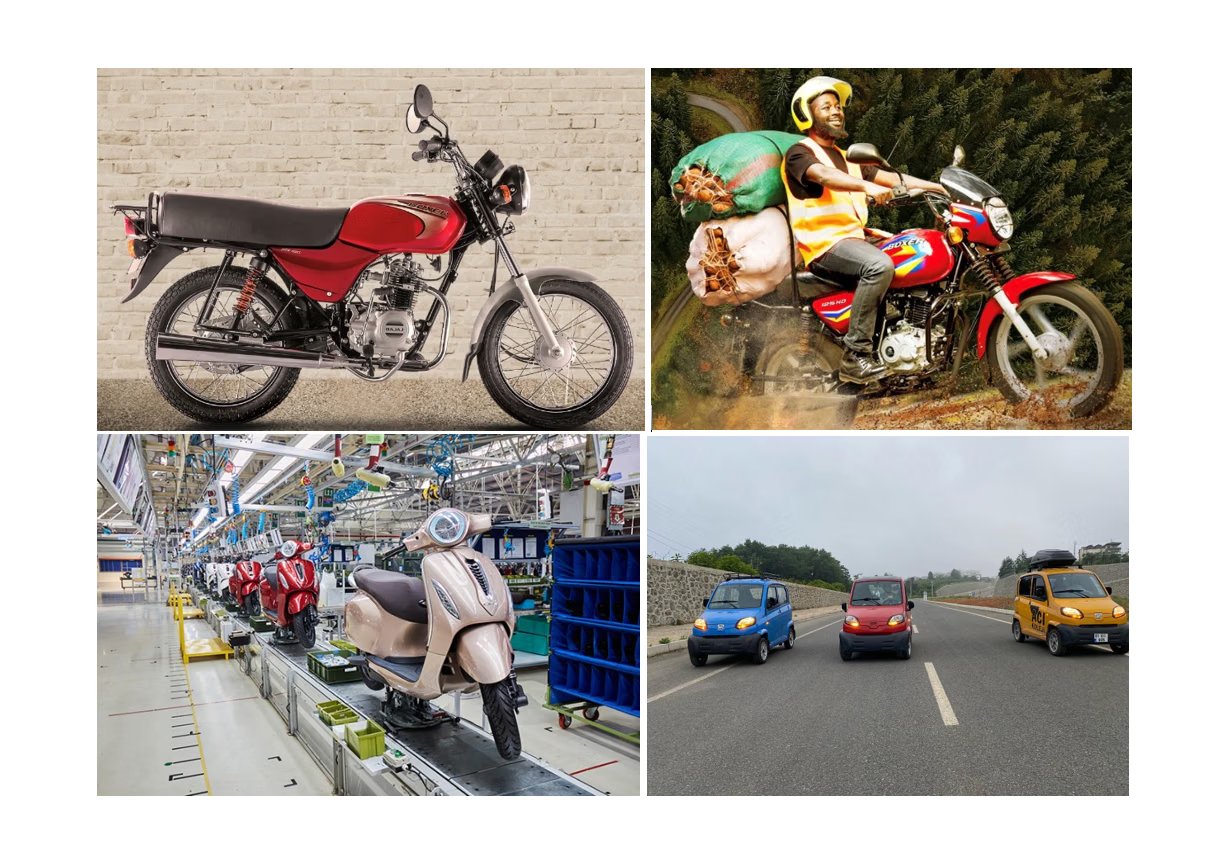
Behind the 50% jump in exports lies a strategic push into Latin America and Africa, where Bajaj’s 100‑110cc entry‑level bikes have become the go‑to choice for commuters—cheap, reliable, and low‑maintenance.
In the first five months of FY2027, Bajaj moved 11,00,827 two‑wheelers abroad, of which 10,96,009 were motorcycles, a 49% increase over the same period last year. The bulk of these shipments were the 100‑110cc range, with 470,362 units, a staggering 95% jump, accounting for 43% of all bike exports. TVS Motor Co trails with a 28% market share, hauling 743,122 bikes, while the rest of the market is scattered among niche players.
The 110‑125cc segment grew as well, with 304,191 bikes shipped, a 42% rise that captures 28% of the overall bike export market. This category is the sweet spot for riders looking for a bit more power without breaking the bank. Meanwhile, the 125‑150cc and 150‑200cc categories saw modest gains of 102,266 and 122,481 units respectively, reflecting a gradual shift towards slightly larger displacement models in overseas markets.
Bajaj’s export engine isn’t just about fuel‑sipping petrol bikes. In the same period, 4,818 electric scooters—Chetak—found their way into markets that favour zero‑emission solutions, a nod to India’s EV mandate that encourages exports of low‑cost electric mobility. The company’s price‑competitive kits and efficient after‑sales network in Brazil, Mexico and Nigeria give it an edge over rivals.
With the next fiscal quarter poised to add further shipments, buyers can expect Bajaj’s entry‑level bikes to hit more markets by Q3 2027. The brand’s ability to combine affordability with reliability keeps it at the forefront of the affordable mobility segment, especially in emerging economies where cost sensitivity drives purchase decisions.