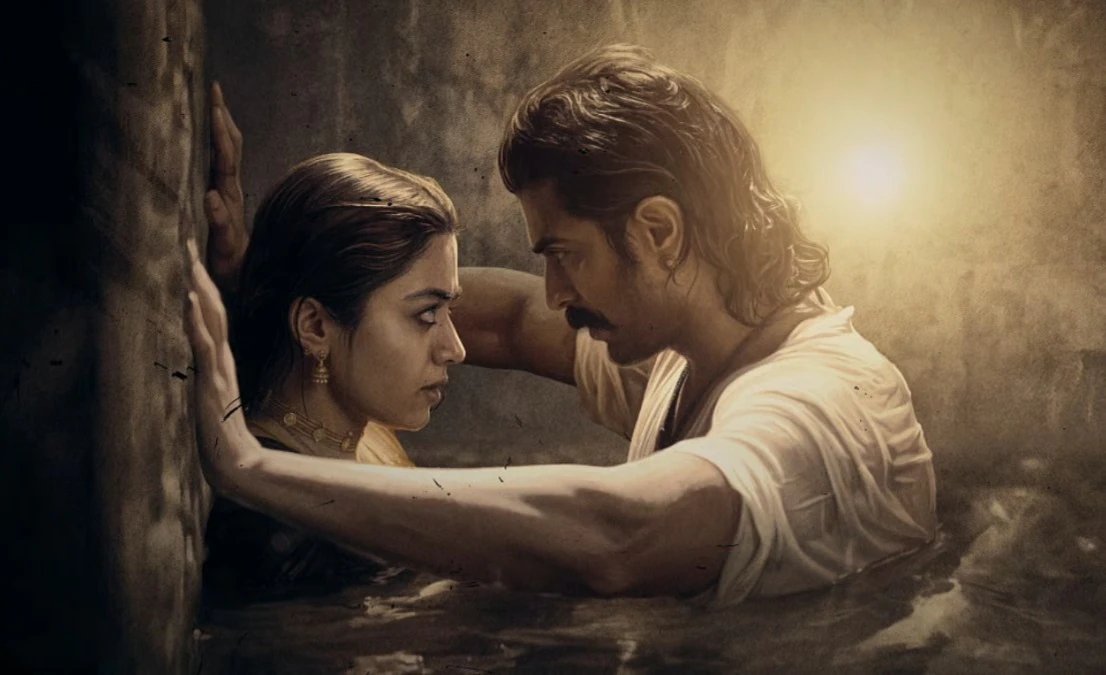
The numbers are telling a story of resilience rather than explosive growth. On October 25, Ranabaali collected Rs 2.90 crore net in India, a modest 3.6% jump from Saturday. That might sound underwhelming next to the opening weekend frenzy, but in the context of a second-weekend dip, it’s actually a sign of life. The domestic net total now sits at Rs 53 crore, with the worldwide gross ticking up to Rs 73.65 crore. For a period piece that didn't have the mass-commercial hook of a typical action-fest, this is respectable stickiness.
What’s interesting is where the money is coming from. Evening shows are pulling the weight, with occupancy hitting 43% compared to just 24.77% in the morning slots. This suggests the film is finding its rhythm with prime-time viewers who can commit to a two-hour historical narrative. The 2D Telugu version, specifically, is driving this, with an overall occupancy of nearly 35%. It’s not a packed house, but it’s a consistent one. Cumulative footfalls have crossed 42.48 lakh, which is a solid benchmark for a niche genre film in the current market.
The background here matters. Rahul Sankrityan, known for his work in the Malayalam industry, brought a different texture to Telugu cinema with this Madras Famine drama. It’s not your average masala entertainer. The story, focused on a horseman leading an uprising against British colonial rule in Rayalaseema, demands a different kind of audience engagement. You can’t just walk in for the chatter; you have to watch. That barrier to entry explains why the collections dipped after the initial hype but didn’t crash. The core audience is still showing up, one evening slot at a time.
Looking ahead, the trajectory is clear. The film has passed the critical Rs 70 crore mark globally. Whether it breaks Rs 80 crore in the domestic market alone will depend on how long it holds in single-screen theaters. For now, it’s a quiet success. Not a record-breaker, but a film that found its people and kept them watching. In an industry obsessed with opening numbers, this is a reminder that some stories take longer to land.