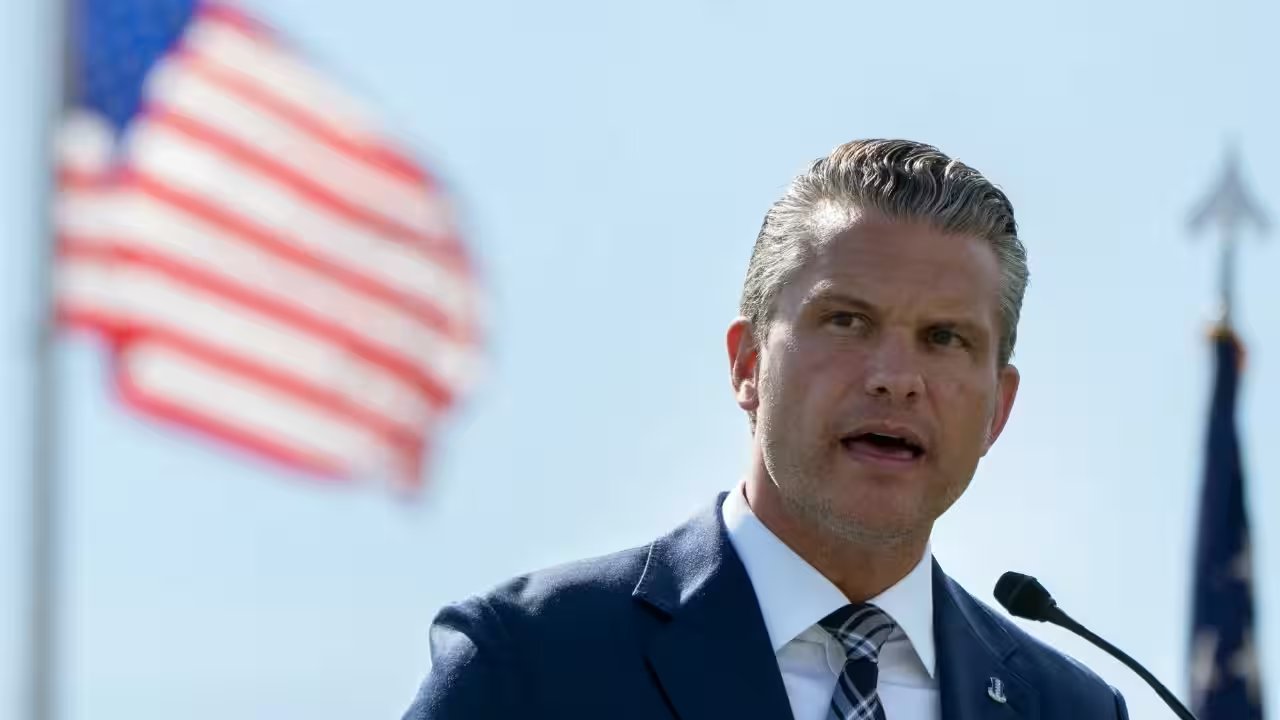
Hegseth’s address at Marine Corps Base Quantico on May 24th was punctuated by his claim that the real battlefield is spiritual, a line that echoes his earlier sermons and his self‑proclaimed designation of the United States as a "Christian nation." He has already been hosting worship services for Pentagon staff and has repeatedly highlighted the importance of faith in national defense.
The Pentagon statement on the Office of Religious Affairs (ORA) outlines a mandate to advocate for chaplains and provide “first‑class religious support” at the highest levels of the department. It stresses that the office will not compel religious participation, favor one faith, or curtail the rights of personnel of any faith or none. A director, presumably a senior chaplain, will coordinate spiritual resources, including faith‑based home‑school programs for military families and initiatives aimed at reducing suicide rates across the service.
Rachel Laser, president and CEO of Americans United for Separation of Church and State, slammed the move as a breach of the promise to uphold religious freedom: "Hegseth’s latest announcement elevates Christianity to an even higher role in shaping U.S. military policy," she said. The group has already sued the Pentagon over its worship services. The new office follows a lineage of faith‑based initiatives that began under President George W. Bush and continued through the Obama and Biden administrations, with Trump’s White House also establishing a Faith Office.
For the families at the front lines, the ORA could mean more structured support. A father of two service members in the 3rd Infantry Division said he hopes the office will help his children maintain a home‑school curriculum that respects their Christian upbringing while also offering counseling services. The Pentagon’s next step is to announce the appointment of the ORA director by July 1, with a formal briefing slated for early August to explain how the office will operate within the existing chaplaincy framework.
The move will likely prompt further scrutiny from civil‑rights groups and could trigger a Senate confirmation hearing for the director, a process that may take several weeks. Meanwhile, Hegseth’s rhetoric suggests a broader strategy to intertwine faith with national defense policy, a tone that will be debated both within and outside the military establishment.