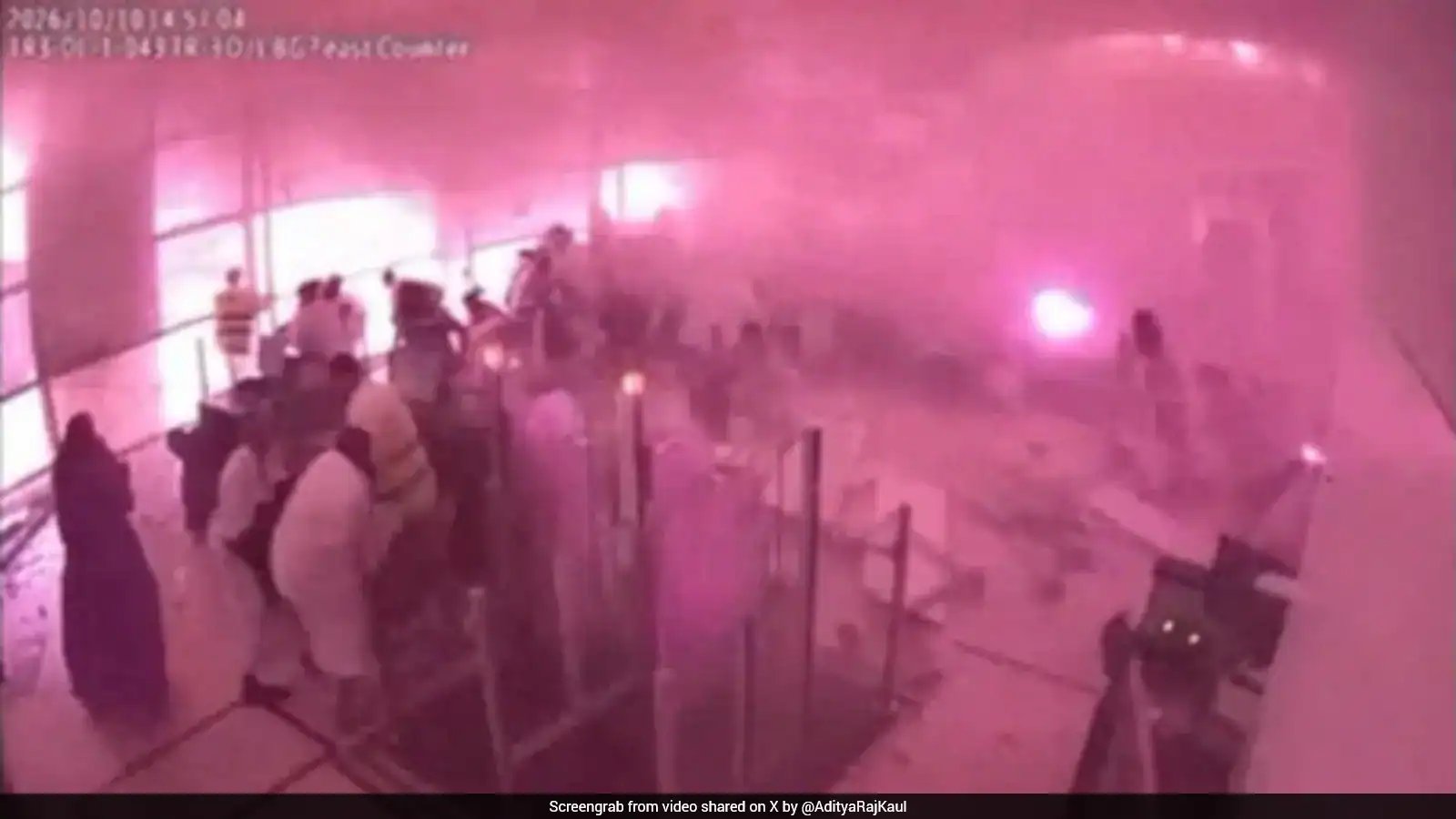
The violence did not stop after Saturday. On Sunday, an unidentified projectile slammed into Terminal 4 at King Khalid International Airport, igniting a fire that killed one person and injured 11 others immediately. But that was just the tip of the iceberg. In the broader context of the past 48 hours, the death toll has climbed to 14, with over 300 people wounded in the latest barrage. Some of the injured are in critical condition. The airport, a vital transit hub, has now been struck four times in just five days.
CCTV footage circulating online captures the sheer chaos of the moment. Travellers, including Umrah pilgrims preparing to board, are seen scrambling for their lives as a bright orange flash erupts near the boarding gates. Parts of the roof cave in. It’s a stark, visual reminder of how far the Yemen conflict has spilled into Saudi soil. This is no longer a border skirmish. It’s a direct hit on the heart of the kingdom’s infrastructure.
The Houthis claim responsibility for the Riyadh strike and another attack on Dammam airport within the last 24 hours. They have explicitly threatened to keep targeting Saudi transit hubs, labeling them a "theatre of operations for our forces." The anti-Houthi coalition responded swiftly, branding the attack a "full-fledged war crime" and vowing a decisive response. The retaliation cycle is tightening, and the stakes are rising with every missile launch.
The geopolitical fallout is already unfolding. Several airlines have suspended flights to Saudi airports. The Indian embassy, among others, has cautioned its citizens to avoid using these hubs. Meanwhile, US President Donald Trump is reportedly weighing direct US military involvement against the Houthis. This could mark a significant shift in the war dynamics, drawing American forces into a conflict that has simmered for years.
What happens next is uncertain but urgent. The suspension of operations at King Khalid International Airport is a major logistical blow. The Houthis are testing Saudi air defenses, which have intercepted several missiles but failed to prevent the strikes. The global oil market is watching closely, as is the shipping industry, given the proximity to the Strait of Hormuz. The next 24 hours will determine if this escalation stabilizes or spirals into a broader regional war.