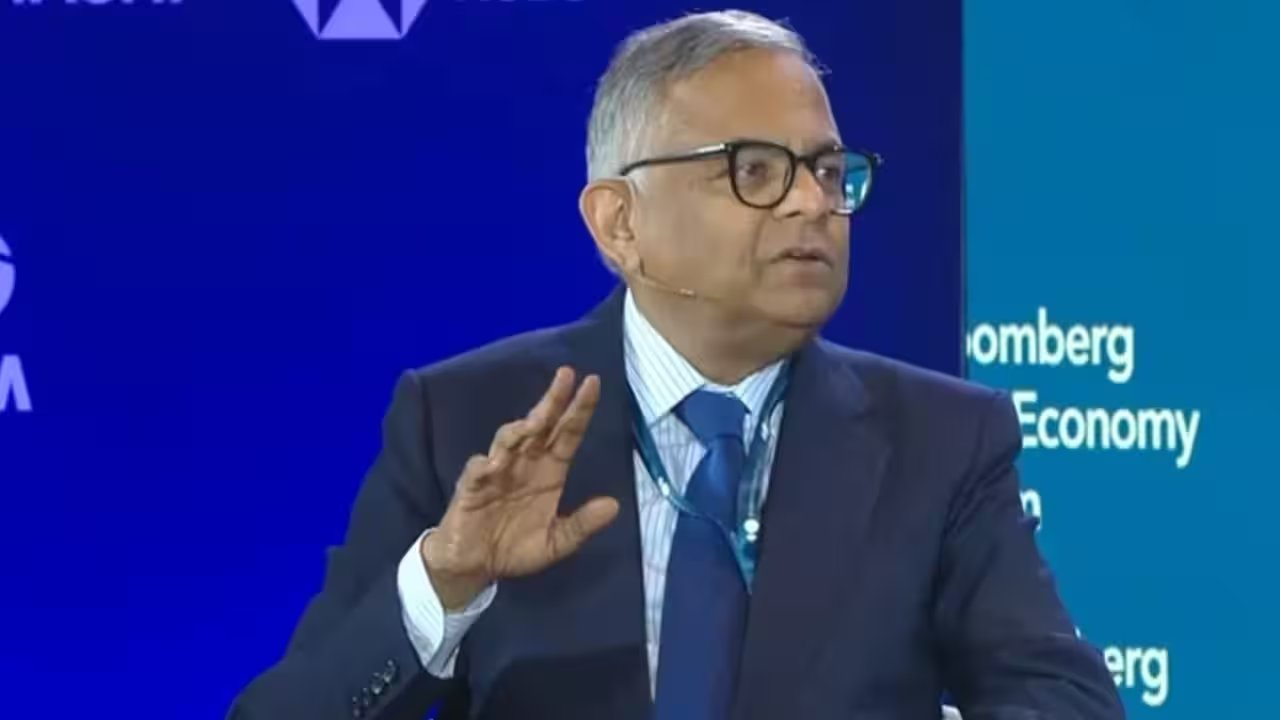
N Chandrasekaran, speaking at the 2026 Bloomberg New Economy Forum, issued a stark warning: do not build what you cannot sell. The Tata Sons Chairman argued that India’s semiconductor ambitions must be grounded in commercial reality, not just national pride. "You cannot be reckless and say that I am going to be putting a 2 nanometre chip plant. It's just not going to work," he stated, stressing that demand must dictate the scale of manufacturing.
Tata Electronics is already executing this cautious strategy. The group is pouring Rs 91,000 crore into a fabrication plant in Dholera, Gujarat, partnering with Taiwan’s Powerchip Semiconductor Manufacturing Corporation (PSMC). This facility will produce chips for automobiles, mobile devices, and AI applications. Separately, Tata is developing a semiconductor assembly and test facility in Assam with an investment of approximately Rs 27,000 crore.
Chandrasekaran identified two critical bottlenecks for India’s ascent: energy and global integration. "We need to keep an eye on energy," he noted, acknowledging that chip fabrication is power-intensive. He also stressed that India cannot go it alone. "We need partnerships, because we have all the technologies ... But if you design it, definitely we will get there," he said, highlighting the necessity of collaborating with global players to access advanced tech nodes.
The chairman’s comments come as Tata navigates a complex boardroom landscape following his recent reappointment for a third five-year term. He emphasized that financial viability is paramount, stating that investments must support sustainable employment. "The financially viable thing, you have got to see the sun cross the river," he quipped, implying that long-term stability requires clear, predictable returns.
India’s position is strong, according to Chandrasekaran, thanks to its vast talent pool and massive domestic market. However, the pace of ramp-up and the specific technologies adopted remain the key variables. The next phase of India’s semiconductor journey will hinge on how effectively these private sector giants balance national strategic goals with the hard economics of global competition.