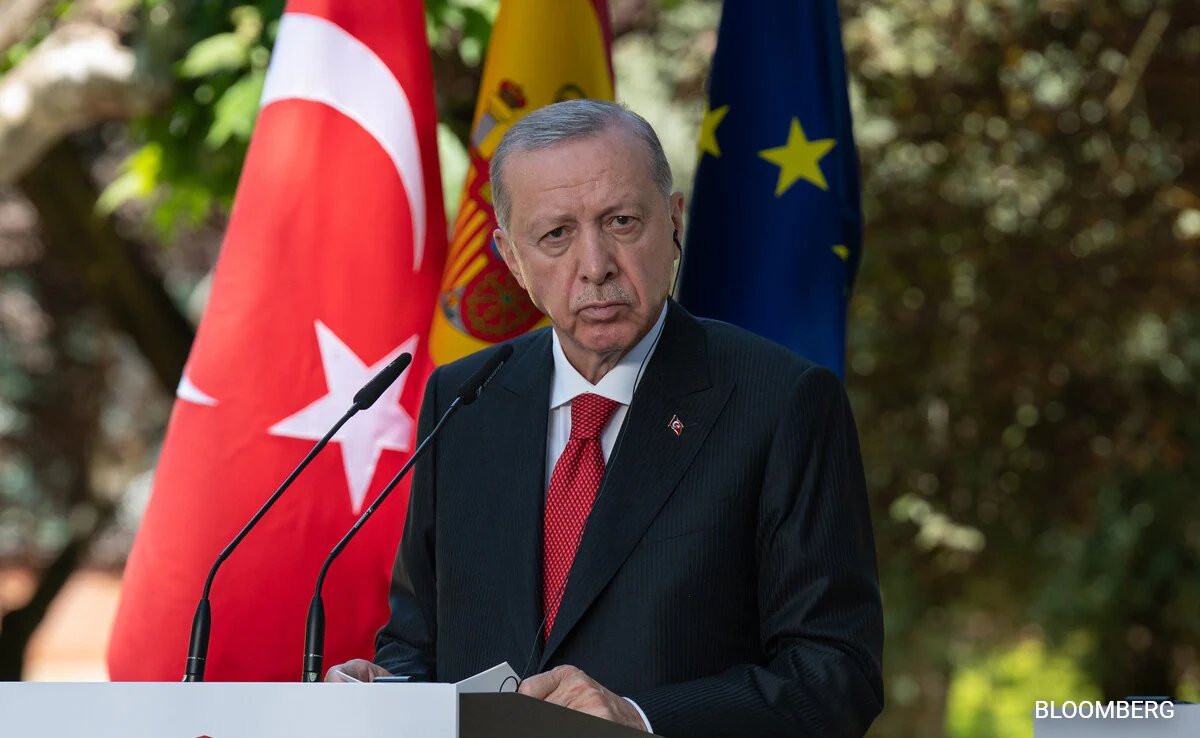
Turkish President Recep Tayyip Erdogan demanded the UN Security Council abandon its post‑World War II veto system in an op‑ed for Bloomberg on March 28, 2024. He framed the call as a response to India’s repeated bids for a permanent seat, arguing that a single‑handed veto no longer reflects the global balance of power.
The op‑ed, titled "The UN Should Abolish the Security Council Veto," opens with a stark line: "The world is bigger than five." Erdogan cites recent crises—pandemics, energy shocks, and war‑driven supply chain disruptions—to illustrate how the current structure hampers swift, collective action. He warns that the veto concentrates decision‑making in the hands of a handful of states, sidelining the voices of Asia, Africa, and Latin America.
Erdogan proposes a two‑tier system: a Security Council without permanent members, elected by the General Assembly for fixed terms, and an empowered General Assembly that can override vetoes through a super‑majority. He stresses that the reform must be concrete, not a mere symbolic gesture. "We need a roadmap, not a wish list," he writes, calling for elections that test a nation’s confidence in the broader community.
The Turkish leader’s stance has already sparked comment from UN diplomats. "Erdogan’s proposal aligns with a growing chorus for a more representative UN," said Ambassador Maria Silva of the United Nations. The General Assembly’s next session, scheduled for September 2026, is expected to include a formal debate on the feasibility of the proposed changes, with nations like India and Brazil likely to push for expanded roles.
On a personal note, a small Kurdish village near the Turkish‑Iranian border—where Erdogan’s family hails from—expresses hope that a more inclusive UN could safeguard regional stability. "If the world truly expands beyond five, our children will have a chance to live without fear," said local resident Ali Kaya, a farmer whose crops were once disrupted by cross‑border skirmishes.
The debate will unfold against a backdrop of rising geopolitical tensions, and the outcome could reshape the UN’s authority over the next decade. The next pivotal moment: the General Assembly vote scheduled for September 2026, where the world will decide whether the veto survives or is finally abolished.