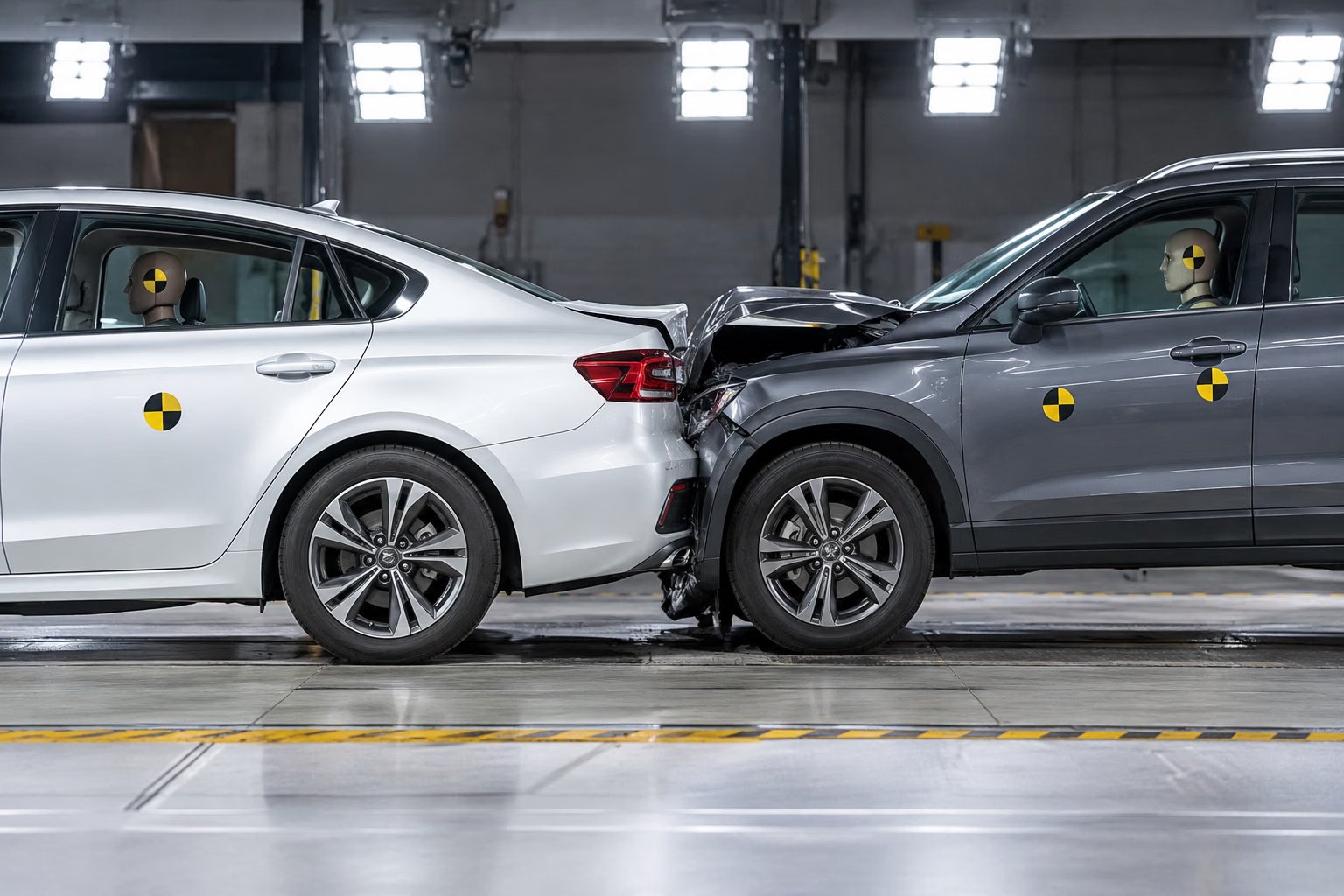
From April 2029, every car rolling out of Indian factories will need to come out of a rear‑impact test with the fuel tank intact for ICE vehicles and the battery pack unscathed for EVs. That’s the crux of the new rule, and it’s aimed squarely at cutting post‑collision fires.
The policy isn’t a single bolt‑on; it’s part of a staggered safety push that began in April 2027 with stricter frontal and lateral crash standards, pedestrian protection, and mandatory immobilisers. 2029 marks the third wave, followed six months later by a mandate for AIS‑192 event‑data recorders in October 2029.
Manufacturers will feel the heat more on platforms that tuck the fuel tank or battery pack at the rear, as those are the spots most vulnerable in a back‑on collision. The long lead time gives automakers room to re‑engineer chassis and shielding instead of retrofitting older models.
For the consumer, the practical upshot is a safer ride but also a potential bump in cost. Design changes, added shielding, and new safety electronics add to the bill of materials. Some dealers are already hinting at a 5–10% premium on flagship models to cover the extra safety stack.
Privacy‑watchers will keep an eye on AIS‑192, which logs crash data but excludes sensitive identifiers like VIN and driver details under the draft. How India finalises data access could shape the future of in‑car telemetry and insurance underwriting.
Looking ahead, the first cars to hit the market with the new standards should arrive in late 2029, with model‑year 2030 deliveries expected across metro hubs. Enthusiasts will want to track how battery placement evolves as manufacturers work to keep the rear‑impact rule in check.
In short, the 2029 rear‑impact mandate signals a new era of safety for every Indian driver. Keep an eye on how automakers roll out these changes and whether the extra cost translates into tangible safety benefits on the road.